Scientists in Scotland have uncovered details about a 410-million-year-old fossil that grew to 26 feet tall and belonged to a completely separate branch of life with no living relatives. The organism, named Prototaxites, was found in rock layers near the village of Rhynie in Aberdeenshire and has now joined the collection at the National Museum of Scotland in Edinburgh. This discovery settles a scientific argument that started 165 years ago about what Prototaxites really was.
Background
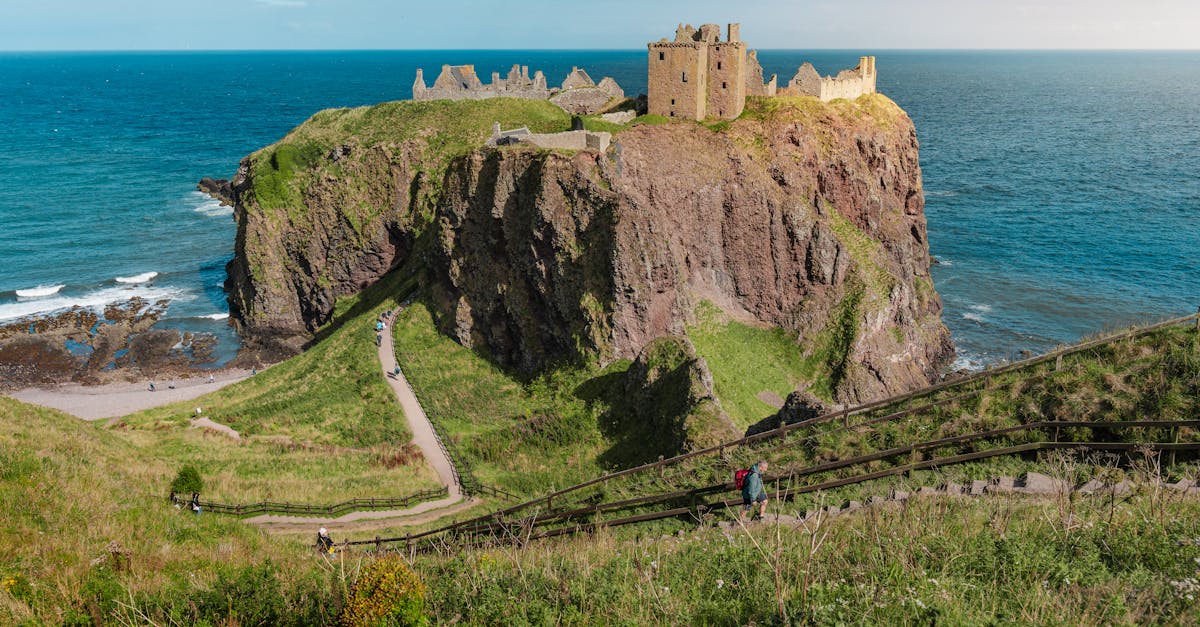
The Rhynie chert, a special type of rock formed from ancient hot springs, sits in the Aberdeenshire countryside. It dates back 410 million years to the Devonian period, when life was just starting to take hold on land. This site holds some of the oldest evidence of plants, early insects, spiders, and other small creatures living outside the oceans. The silica in the chert preserved these organisms in fine detail, showing their cells and structures clearly.
Prototaxites fossils first appeared in scientific records in the mid-1800s. For over a century and a half, experts argued over its nature. Some thought it was a giant fungus, others a type of algae or even a conifer tree. It stood out because of its size—up to eight meters high and wide as a human torso—dwarfing the small plants around it at the time. No modern organism matches its features exactly.
Recent work by a team from the University of Edinburgh and National Museums Scotland used new methods to study the fossil. They looked at its anatomy under microscopes and analyzed its chemicals. These tests ruled out links to fungi or plants. Instead, the evidence points to Prototaxites as part of its own evolutionary path that died out around 360 million years ago.
The Rhynie area has given up many secrets over the years. It helped fill gaps in the story of how animals moved from water to land during a time called Romer's Gap. That 15-million-year period had few fossils until digs in Scottish sites like Willie’s Hole provided key finds. Prototaxites adds another layer to this early land ecosystem.
Key Details
The fossil comes from a sedimentary layer in the Rhynie chert. It measures about 410 million years old, placing it among the earliest complex life forms on dry ground. When alive, Prototaxites formed tall, trunk-like structures that rose above the landscape. Its tubes and tissues differ from those in plants, which move water and nutrients separately, or fungi, which lack such complexity.
Research Methods
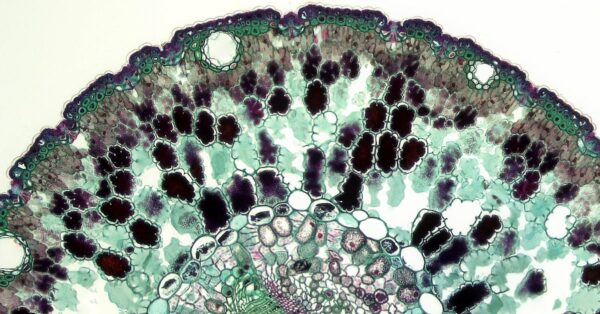
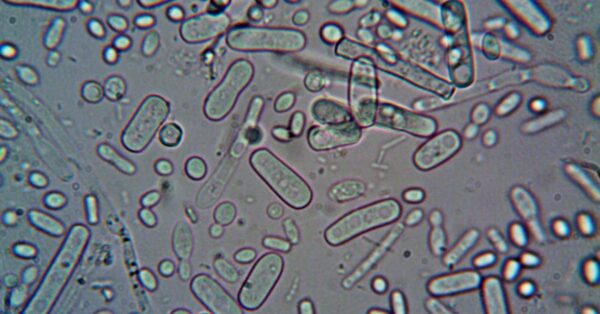
The team combined several techniques. They sliced thin sections of the fossil and examined them with light and electron microscopes. Chemical tests checked for markers like chitin, found in fungi, but none matched. Machine learning helped analyze molecular data from the preserved material. Anatomical studies showed tube-like cells packed in a way unseen in living species.
Laura Cooper, a PhD student at the University of Edinburgh's Institute of Molecular Plant Sciences, was one of the lead researchers. She said:
Our study, combining analysis of the chemistry and anatomy of this fossil, demonstrates that Prototaxites cannot be placed within the fungal group.
Dr. Sandy Hetherington, a research associate at National Museums Scotland, called it a major step forward.
It's really exciting to make a major step forward in the debate over Prototaxites, which has been going on for around 165 years. They are life, but not as we know it.
The findings appeared in the journal Science Advances. Dr. Corentin Loron from the UK Centre for Astrobiology noted the site's value:
The Rhynie chert is incredible. It is one of the world's oldest fossilised terrestrial ecosystems.
Museum Display
National Museums Scotland has added the specimen to its natural sciences collection. Dr. Nick Fraser, keeper of natural sciences, welcomed it.
We're delighted to add these new specimens to our ever-growing natural science collections which document Scotland's extraordinary place in the story of our natural world.
The museum keeps thousands of fossils from Scottish sites, including over a quarter million identified recently. These collections support ongoing research with modern tools.
What This Means
Prototaxites shows that life on land experimented in many ways early on. While plants and fungi took certain paths to become giants, this organism tried something else. Its conducting tissues mixed water and sugars in a system lost to time. This challenges old ideas about how vascular plants evolved from simpler ancestors.
The discovery highlights the Rhynie chert's role in rewriting Earth's history. It preserved a snapshot of the first land communities, including primitive plants like Horneophyton lignieri, which also had unique water-moving structures. Together, these finds suggest early life was more diverse and inventive than thought.
For paleontologists, it opens doors to study extinct groups. Museums like the one in Edinburgh keep specimens available for new tests, from advanced imaging to genetics. This could reveal more about how ecosystems formed before forests dominated.
The work also touches astrobiology. Sites like Rhynie help scientists understand life in harsh conditions, useful for searching other planets. As tools improve, more fossils from Aberdeenshire may yield secrets about evolution's early branches.
Scotland's rocks continue to provide clues. Digs and studies here have closed gaps in animal evolution and now illuminate strange plants. Prototaxites stands as a reminder that much of life's story remains hidden in stone.