Shares of office real estate companies and logistics firms have taken a beating in recent trading as investors worry that artificial intelligence tools will undermine the core business models that have sustained these sectors for decades. The selloff reflects growing concerns that AI automation will shrink demand for office space, reduce the need for warehouse workers, and compress profit margins across industries that have relied on labor-intensive operations and physical infrastructure.
The market reaction reveals a fundamental shift in how investors view the future of real estate and logistics. Companies in these sectors now face pressure to prove they can adapt to a world where AI handles tasks once requiring teams of people, reduces the need for physical space, and optimizes operations in ways that could eliminate entire categories of jobs.
Background
The real estate and logistics industries have historically operated on stable, predictable models. Office buildings generate revenue through long-term leases. Warehouses and distribution centers employ thousands of workers to move goods. These businesses have remained largely unchanged for generations, with steady cash flows and reliable tenant demand.
Artificial intelligence is now threatening that stability. Recent advances in AI technology have created tools that can automate tasks ranging from lease administration to warehouse operations to route planning. The speed and scale of these capabilities have caught investor attention and sparked concerns about whether traditional real estate and logistics companies can maintain their current profit levels.
The stock market is responding with skepticism. Investors are rotating away from what they see as high-fee, labor-intensive business models vulnerable to AI disruption. This represents a significant departure from the past, when steady employment and predictable occupancy rates provided confidence in real estate valuations.
Key Details
How AI Is Changing Office Real Estate
The office real estate sector faces particular pressure. AI-powered lease administration tools can now complete work in minutes that previously took lease teams five to seven days. These systems can analyze entire real estate portfolios, compare thousands of data points, and recommend changes that could affect up to 40 percent of a company's office planning decisions.
One major concern for investors is that AI adoption may reduce how much office space companies actually need. With remote work already changing occupancy patterns, AI tools that make operations more efficient could further depress demand for office square footage. Real estate professionals acknowledge that while AI may not directly change lease rates or contract terms, it will almost certainly affect employment levels, and fewer workers means fewer people needing office space.
"All eyes are watching how AI's expanding prevalence will affect job numbers, which heavily influence building occupancy rates. People need space to work — whether office space or elsewhere — and strong employment means more expansion and more space leased. With AI? Not so much."
Warehouse and Logistics Transformation
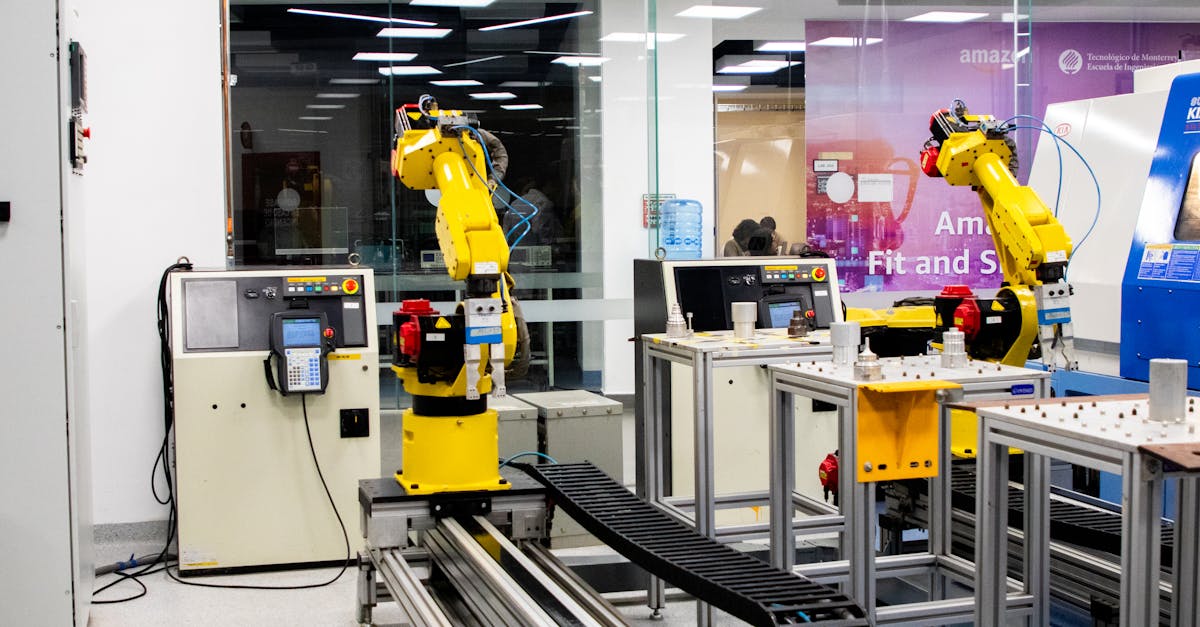
The logistics industry faces similar pressures but from a different angle. Warehouse operators traditionally relied on large workforces to pick, pack, and move goods. AI-powered robotics are now automating these tasks at scale.
Major companies like Amazon and Walmart are leading this shift. Amazon has introduced six new warehouse robot models in the past three years and plans to automate 30 to 40 percent of its order fulfillment by 2030. The number of warehouse robots worldwide is projected to triple from about 479,000 units in 2024 to 1.5 million by 2030.
AI also enables more efficient warehouse layouts and supply chain designs. With these tools, companies can do more work with the same amount of space or maintain output with fewer facilities. This creates a paradox for real estate investors: while AI might increase demand for warehouse space through boosting e-commerce sales, the same technology allows companies to operate more efficiently and potentially need less space overall.
Broader Cost Reductions
Research suggests the financial impact could be substantial. Studies indicate that incorporating AI into logistics operations could reduce operating costs by up to 15 percent, improve inventory management by 35 percent, and increase service levels by 65 percent. These gains come partly from automation but also from AI's ability to optimize every aspect of operations, from demand forecasting to route planning to workforce scheduling.
Building management systems are also changing. AI can adjust heating and cooling systems based on weather forecasts, potentially reducing energy costs by 20 percent or more. Buildings can now predict maintenance needs before equipment fails, moving from reactive repairs to proactive planning.
What This Means
The stock market decline reflects investor uncertainty about whether real estate and logistics companies can maintain their historical profit levels as AI reshapes their industries. The concern is not that these sectors will disappear, but that they will become leaner, more automated, and less labor-intensive.
For investors, this creates a difficult question: if AI makes these businesses more efficient but also reduces the number of people and amount of space they need, what happens to valuations built on historical growth assumptions? The market appears to be pricing in the possibility that efficiency gains will flow to customers and companies using these services rather than to the real estate and logistics firms themselves.
Industry professionals are watching carefully to see which companies adapt successfully. Those that can position themselves as technology providers rather than just space providers may fare better. Real estate firms investing in AI platforms and logistics companies deploying automation are betting they can capture value in this transition rather than lose it.
What remains uncertain is whether the market's concerns will prove justified or whether these sectors will find new ways to grow even as AI transforms how they operate. The answer will likely determine which companies thrive and which struggle in the years ahead.