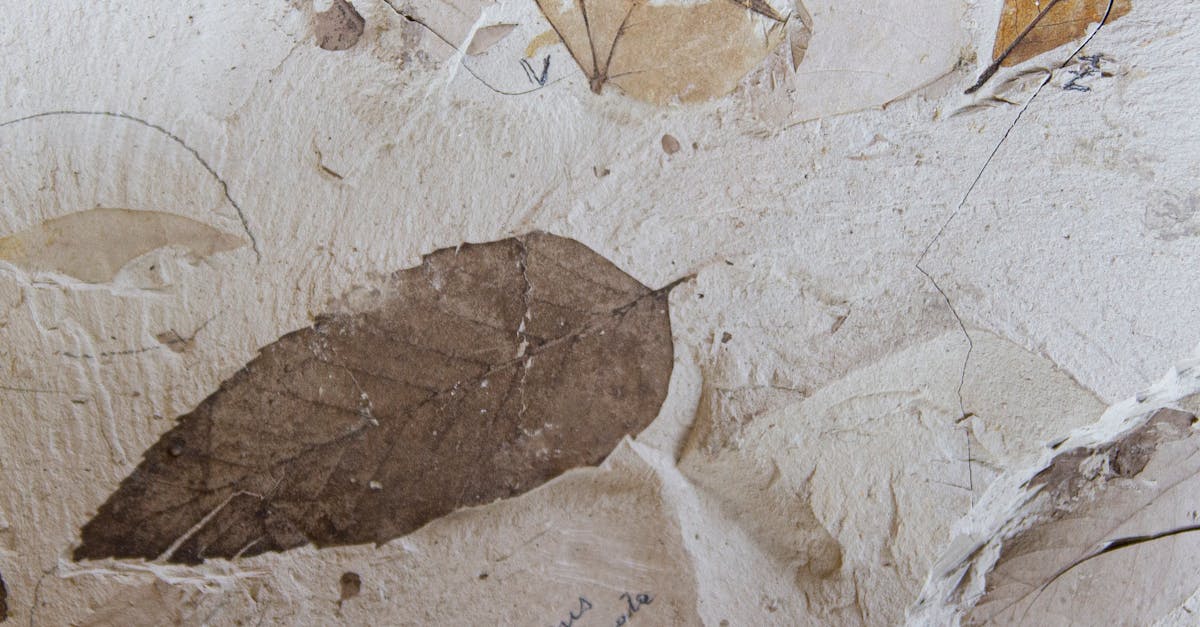
Scientists in Scotland have identified a 407-million-year-old fossil as a giant organism from a completely extinct branch of life. Found in the Rhynie chert near Rhynie in Aberdeenshire, the fossil of Prototaxites taiti stands out because it matches neither fungi nor plants. This find, detailed in a recent study, changes how we see the first forests on land during the Devonian period.
Background
The Rhynie chert is a key site for early land life fossils. Formed about 407 million years ago, it preserves plants, fungi, and animals from one of Earth's first stable land ecosystems. Researchers have studied fossils here for over a century because the chert acts like a snapshot, keeping details intact.
Prototaxites fossils first appeared in the rock record around 420 million years ago and lasted until about 370 million years ago. These fossils show tall, tube-filled structures that grew up to eight meters high in some places. For years, experts debated what they were. Some thought they were giant fungi. Others saw them as early trees or lichens. No clear answer fit all the evidence.
The new work focuses on a large specimen called NSC.36. It measures 5.6 centimeters wide and runs through a full block of chert. This is the biggest Prototaxites taiti found at Rhynie so far. Its size suggests it was the largest single organism in that ancient ecosystem.
Key Details
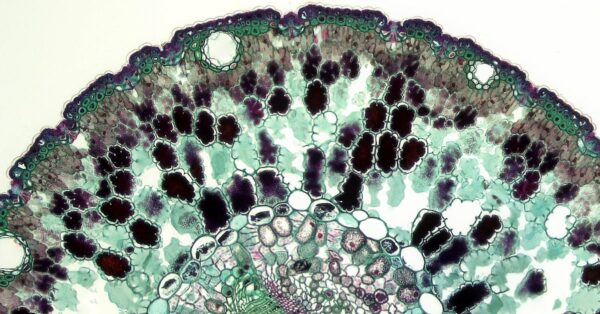
The team used advanced tools to examine the fossil. High-resolution microscopes showed its internal structure. Prototaxites consists of interwoven tubes of different types. It has 'medullary spots,' dark round areas packed with tubes, including very thin ones under one micrometer wide. These spots differ from anything in known fungi.
Chemical tests added more clues. The researchers compared the fossil's molecular fingerprint to nearby fungi from the same chert. The results showed clear differences. They used synchrotron Fourier transform infrared microspectroscopy to map chemicals in the body and spots. Both areas had similar spectra, but they did not match fungal patterns.
One key test looked for perylene, a marker found in fossil fungi. It appeared in the surrounding rock but not in the Prototaxites. This rules out a fungal link. The fossil also lacks signs of plant features like reproductive parts or wood-like lignin in the usual way.
Structure and Growth
Imaging revealed branching patterns in the tubes that suggest gas or nutrient exchange in the medullary spots. The overall build points to a different way of growing and functioning compared to fungi or plants. Prototaxites seems to have been heterotrophic, meaning it fed on dead matter, not sunlight.
The fossil's preservation in three dimensions allowed detailed 3D models. These models highlight differences in tube arrangement and density that set it apart from all known fungi, living or extinct.
"Prototaxites is best considered a member of a previously undescribed, independent and extinct lineage of complex multicellular eukaryotes." – Research team in Science Advances
This specimen joins the National Museums Scotland collection. It came from the Lyon Collection at the University of Aberdeen. New thin sections were cut for analysis, confirming the findings across multiple samples.
What This Means
This discovery shifts our picture of early land life. Before trees took over around 400 million years ago, giants like Prototaxites may have shaped the landscape. These towers, up to 26 feet tall elsewhere, stood alone or in groups, filling a role we do not see today.
The Devonian period saw big changes. Plants moved from water to land, growing taller and forming roots. Arthropods like scorpions and millipedes followed. Fungi helped break down dead matter. Prototaxites fits into this mix as a dominant heterotroph, perhaps recycling nutrients in barren soils.
If it truly represents a lost lineage, it means complex life on land was more diverse early on. Eukaryotes, cells with nuclei, experimented in ways that left no trace. This extinct group grew large without leaves, roots, or spores like plants or fungi.
The Rhynie site helps because everything there shared the same burial conditions. Side-by-side comparisons make the differences stand out. Models trained on the chemical data classified Prototaxites apart from other fossils with high accuracy.
Future work could hunt for more specimens. Sites like Joggins Fossil Cliffs or other Devonian spots might hold clues. Genetic traces, if preserved, could confirm the lineage. For now, Prototaxites stands as a reminder that ancient worlds held forms we can barely imagine.
Researchers note the fossil's polyphenolic material, like a precursor to lignin. This stiffens the structure without being true wood. It hints at unique biochemistry for support and decay resistance.
The find builds on past debates. Earlier studies leaned toward fungus, but lacked direct chemical proof. This paper uses bigger samples and better tech to settle the question. Prototaxites taiti now points to life's hidden variety in Earth's youth.