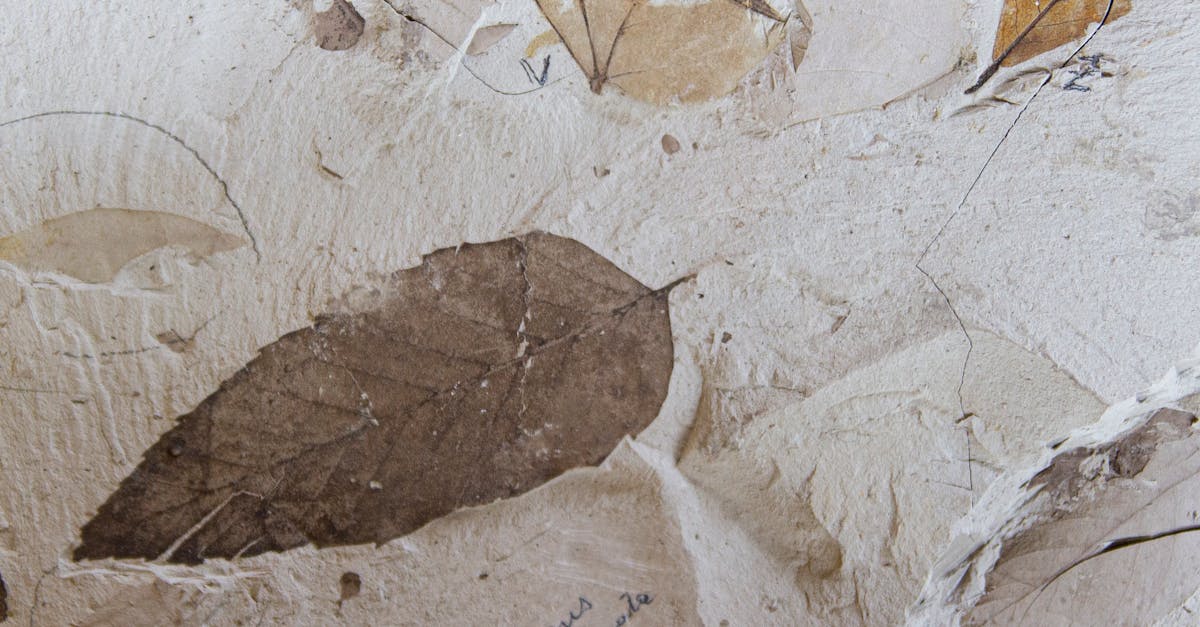
Scientists in Scotland have identified a fossil as a giant organism from a completely unknown branch of life that no longer exists on Earth. The specimen, part of the Prototaxites group, grew up to 26 feet tall around 370 million years ago and came from rocks near the village of Rhynie, about an hour's drive from Aberdeen. Researchers from the University of Edinburgh and National Museums Scotland made the find after studying its structure and chemistry. The organism lived during a time when life was just starting to spread across land.
Background
Prototaxites fossils first turned up in the 1840s. Back then, people thought they were parts of giant trees or conifers that had rotted away. A Canadian scientist named JW Dawson looked at some in 1857 and called them the 'first conifer.' That name stuck for a while, but experts kept arguing about what they really were.
Over the years, ideas changed. Some said they were huge fungi because of tube-like structures inside that looked a bit like fungal threads. Others thought they might be lichens, which are partnerships between fungi and algae. In 2001, a paleontologist named Francis Hueber said they were most likely enormous fungi. A study in 2017 looked at a smaller type called P. taiti and pointed to textures like those in modern fungi.
But doubts remained. The fossils did not match perfectly with any known group. They lacked signs of photosynthesis, like plants have. They also showed no clear links to the underground networks fungi use to grow big. Prototaxites lived from about 420 to 370 million years ago, in the late Silurian and Devonian periods. This was when plants and animals began moving onto land from the sea. Small plants and bugs covered the ground, but nothing grew as tall as these giants.
The fossils come from places like Rhynie chert, a special rock deposit full of preserved ancient life. Rhynie chert holds some of the best views into early land ecosystems. It formed around 407 million years ago in hot springs that trapped organisms perfectly.
Key Details
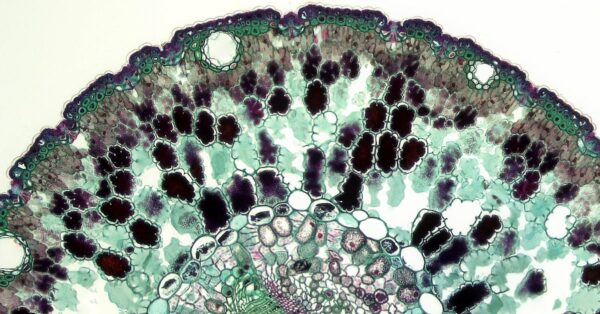
The new study looked at well-preserved pieces from Rhynie chert. Researchers examined the anatomy under microscopes and checked chemical traces. They found tiny tubes that branch and join in ways unlike fungi. Some tubes had banded walls similar to those in vascular plants, but not quite the same.
"They are life, but not as we now know it, displaying anatomical and chemical characteristics distinct from fungal or plant life, and therefore belonging to an entirely extinct evolutionary branch of life." – Sandy Hetherington, research associate at National Museums Scotland
Chemical tests added more clues. One researcher collected data from 87 specimens and used a machine learning tool to spot patterns. It separated Prototaxites from fungi and other organisms in the rocks. Fungi there had signs of chitin and glucan, materials that make up their cell walls. Prototaxites lacked those.
The organism grew up to 8 meters, or 26 feet, tall. It looked like a thick trunk without leaves or branches. No roots or clear way to take in water or nutrients showed up. It stood alone as the tallest thing on land at the time.
Study Methods
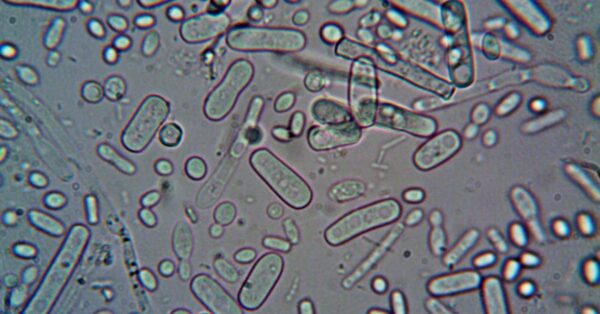
The team studied three fragments of P. taiti, a smaller Prototaxites type. They ruled out fungi because the tubes did not match fungal hyphae from books on living species. Dark spots in some fossils, once thought to be lichen parts, did not fit either. Cell walls ruled out animals.
Other experts not on the team agree. One paleobiologist said the chemistry and look do not match fungi. An evolutionary biologist called it a 'wild thing' that refuses to fit. The work appeared in the journal Science Advances.
What This Means
This find shows life tried different paths to build big organisms on land. Prototaxites filled a giant niche before trees took over. It hints at more unknown branches in the tree of life, especially from early land times.
Experts now see it as part of an extinct group of complex eukaryotes, cells with nuclei like ours. This group vanished without leaving relatives. It changes views of Devonian landscapes, where these trunks towered over tiny plants.
"Our study, combining analysing the chemistry and anatomy of this fossil, demonstrates that Prototaxites cannot be placed within the fungal group. As previous researchers have excluded Prototaxites from other groups of large complex life, we concluded that Prototaxites belonged to a separate and now entirely extinct lineage of complex life." – Laura Cooper, doctoral student at the University of Edinburgh
The discovery opens questions about how early ecosystems worked. How did Prototaxites get nutrients without roots or photosynthesis? Did it compete with early plants? Future hunts for similar chemical signs in other fossils could link it to more finds.
One researcher hopes this ends the push to fit it into known groups. Acknowledging the unknown lets science focus on bigger ecosystem puzzles. Prototaxites reminds us evolution tested many ideas, most of which failed. Only a few led to today's life.
The fossil now sits in a museum collection in Scotland. It draws visitors to think about Earth's deep past. Researchers plan more work on Rhynie chert to uncover other secrets from that time.