
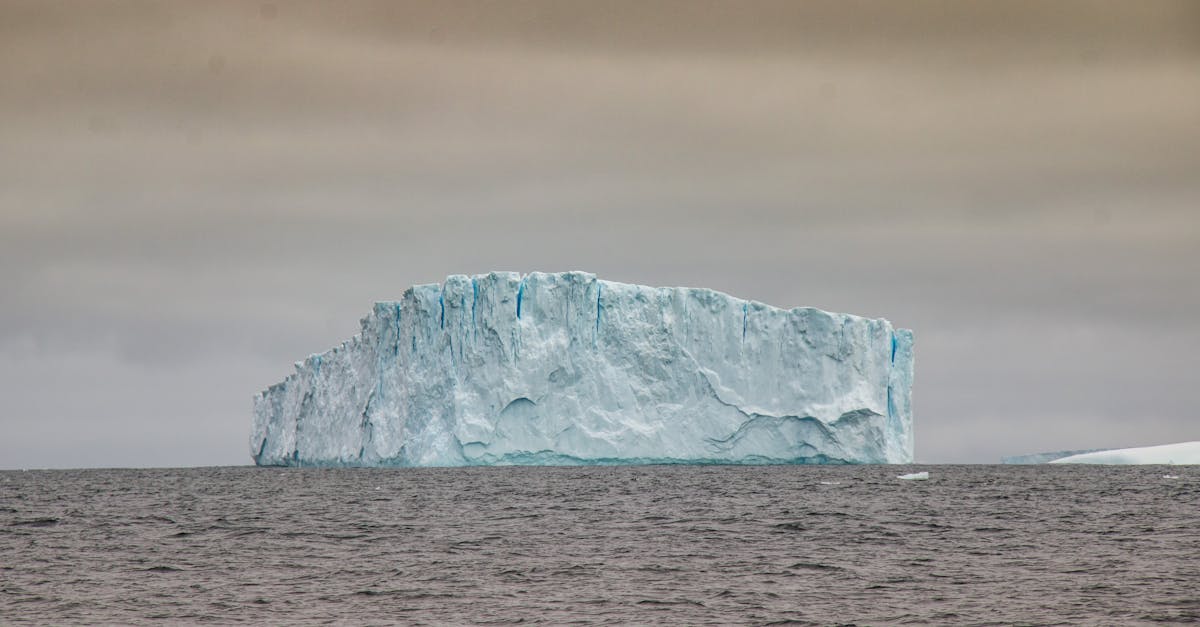
Waters once locked beneath thick Antarctic ice are now accessible to ships and researchers as major ice shelves continue to collapse at an accelerating rate. The breakup of these massive floating ice formations represents a visible marker of how rapidly the planet's polar regions are changing, with implications extending far beyond Antarctica itself.
Background
The Antarctic Peninsula has experienced dramatic environmental changes over the past three decades. The region's ice shelves—massive floating sheets of ice that extend from the continent into the ocean—have undergone a series of rapid collapses that scientists describe as unprecedented in at least 10,000 years.
The first major collapse occurred in 1995 when Larsen A disintegrated. Seven years later, in 2002, Larsen B underwent a catastrophic breakdown, with a section larger than Rhode Island shattering into icebergs over the course of just three weeks. These were not gradual retreats but sudden, dramatic failures that caught the attention of climate scientists worldwide.
The pattern reflects a broader warming trend on the Antarctic Peninsula. Temperatures in this region have risen approximately 2.5 degrees Celsius since the 1940s—five times faster than the global average. This rapid heating, combined with warming ocean currents, has fundamentally altered the stability of ice shelves that had persisted for thousands of years.
Key Details
What Caused the Collapses
The mechanisms behind these ice shelf failures involve multiple factors working together. Warm ocean currents eat away at the underside of the ice, gradually thinning the shelves from below. At the same time, atmospheric warming causes surface melting during the Antarctic summer.
During the austral summer, when the region experiences nearly 24 hours of daylight, meltwater pools form on the ice surface. This water flows down into cracks and crevasses, acting like wedges that force the ice apart. When Larsen B collapsed, satellite observations showed extensive melt pond formation in late January, followed by the disappearance of those ponds in February as water drained through fractures.
"The process can be expected to be more widespread if Antarctic summer temperatures continue to increase," said Ted Scambos of the University of Colorado Boulder, describing how surface melt contributes to ice shelf failure.
The collapse of Larsen B provided a important warning. Scientists determined that this breakup pushed ice shelf failures further south than any time during the past 10,000 years, indicating that contemporary warming is driving ice loss to unprecedented levels.
Current Threats
Larsen C, the fourth largest ice shelf in Antarctica, now shows similar signs of vulnerability. Between 1992 and 2001, the Larsen Ice Shelf thinned by up to 0.27 meters per year. A large rift that developed in Larsen C eventually calved off a section of ice covering approximately 6,000 square kilometers—an area larger than the U.S. state of Delaware.
Scientists monitoring Larsen C note that the remaining shelf is now less stable than before the calving event. If additional breakup events occur over the coming years and decades, the shelf could eventually reach a point of instability similar to what preceded Larsen B's total collapse.
Consequences for Sea Level
The immediate impact of ice shelf collapse on sea level rise is limited. Larsen C holds back the equivalent of about one centimeter of global sea-level rise. However, the real danger lies in what happens after the ice shelves fail.
When ice shelves collapse, they no longer hold back the glaciers on land behind them. These glaciers then accelerate, flowing more rapidly into the ocean and directly contributing to sea-level rise. The loss of major ice shelves surrounding large Antarctic glaciers could trigger significant increases in sea level, though this process unfolds over years and decades rather than immediately.
What This Means
The opening of waters previously covered by Antarctic ice represents more than a geographic shift. It demonstrates how rapidly climate change is physically reshaping Earth's polar regions. The pattern of ice shelf collapses—progressing from north to south as atmospheric and ocean temperatures warm—provides a clear record of warming's reach into regions once thought too cold to change dramatically.
For researchers and explorers, newly exposed waters offer opportunities to study areas that were inaccessible for centuries. For climate scientists, the collapses serve as a warning system. Each ice shelf failure confirms that contemporary warming is driving changes at a scale and speed that exceeds natural variability observed over millennia.
The Antarctic Peninsula remains a focal point for understanding how the planet responds to climate change. What happens there in the coming years will provide important data about whether the pattern of ice shelf collapse continues to accelerate or stabilizes, and what that means for global sea levels and ocean circulation patterns that influence weather worldwide.