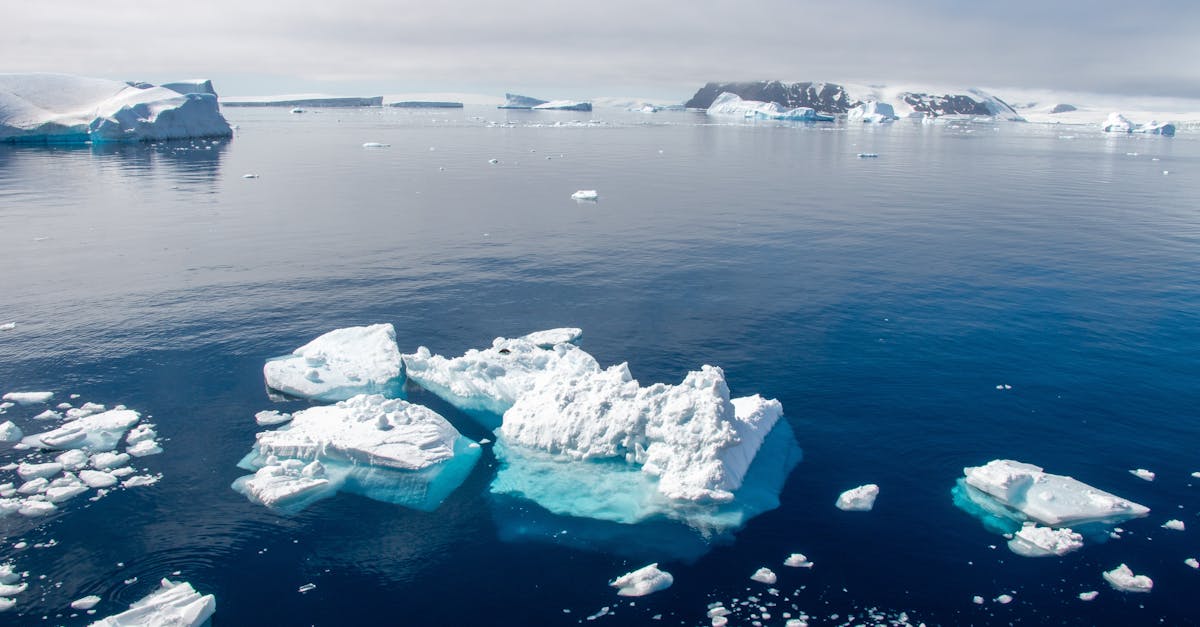
For thousands of years, vast sections of Antarctica's coastline remained locked beneath massive ice shelves—floating platforms of ice hundreds of meters thick that extended far into the sea. Today, those waters are increasingly open to navigation. The collapse of the Larsen Ice Shelf system has transformed one of Earth's most remote regions, creating what some describe as a "death trap" for those venturing into newly exposed waters while revealing troubling signs about our planet's climate.
The Larsen Ice Shelf, located along the eastern Antarctic Peninsula in the Weddell Sea, has undergone a dramatic transformation over the past three decades. What was once thought to be a permanent feature of the Antarctic landscape has instead proven vulnerable to warming temperatures both in the air and in the ocean below.
Background
The Larsen Ice Shelf system has experienced a series of catastrophic collapses since the mid-1990s. Larsen A disintegrated in 1995, followed by the more dramatic collapse of Larsen B in 2002. These were not gradual retreats but rapid, sudden breakups that caught the attention of scientists worldwide.
The 2002 collapse of Larsen B was particularly striking. The ice shelf, which had existed for thousands of years, broke apart in just three weeks or less. Satellite observations revealed the mechanism: meltwater pools formed on the surface during the Antarctic summer, when daylight persists nearly around the clock. This water drained through cracks in the ice, acting like wedges that forced the shelf apart from within.
The sequential collapse of these ice shelves followed a clear pattern. Scientists discovered that ice shelf breakups have progressed steadily southward along the Antarctic Peninsula over the past 50 years, driven by atmospheric warming and increasingly warm ocean currents. The collapse of Larsen B provided the first evidence that contemporary ice shelf disintegrations were pushing further south than at any point during the previous 10,000 years.
Key Details
The Current Threat: Larsen C
Larsen C, the remaining major ice shelf in this system, now shows signs of instability. As of 2017, it was the fourth largest ice shelf in Antarctica, covering approximately 44,200 square kilometers. Between 1992 and 2001, satellite measurements showed the ice shelf thinning by up to 0.27 meters per year.
In 2017, a massive iceberg broke away from Larsen C—a chunk of ice roughly the size of the US state of Delaware, accounting for approximately 12 percent of the entire ice shelf. The rift that preceded this calving had been monitored closely by scientists. In the months before the break, the ice accelerated dramatically, moving at speeds of more than 10 meters per day, the highest speed ever recorded on this ice shelf.
"We now have a much clearer picture of the pattern and extent of ice shelf break-ups, both past and present. It starts in the north and progresses southward as the atmosphere and ocean warms. Should collapse of Larsen C happen, it would confirm that the magnitudes of ice loss along the eastern Antarctic Peninsula and underlying climate change are unprecedented during the past 10,000 years."
What Caused the Collapses
Multiple factors contributed to these ice shelf collapses. Strong atmospheric warming on the Antarctic Peninsula during the second half of the twentieth century created conditions for surface melting. Changes in wind patterns, particularly the "foehn winds" that blow from west to east over the peninsula's mountains, warmed the eastern side where the ice shelves are located.
Ocean warming proved equally important. Warm currents ate away at the underside of the ice shelves, weakening them from below. This basal melting, combined with surface melting, gradually reduced the ice thickness and strength of these massive floating platforms.
The newly exposed waters created by these collapses present navigation hazards. Icebergs the size of small islands now drift in waters previously covered by solid ice, creating unpredictable obstacles for ships and presenting dangers to any vessels attempting to traverse these regions.
What This Means
The implications of these ice shelf collapses extend far beyond Antarctica. The Larsen C ice shelf alone holds back ice equivalent to approximately one centimeter of global sea-level rise. While that may sound modest, it represents a significant contribution to a problem already accelerating worldwide—sea level currently rises about one centimeter every three years due to global warming.
When ice shelves collapse, they remove a important brake on the glaciers behind them. The inland glaciers that feed into these ice shelves begin to accelerate, flowing more rapidly toward the sea and depositing more ice into the ocean. This process directly contributes to sea-level rise.
Scientists remain uncertain whether the 2017 calving of Larsen C will trigger a complete collapse similar to what happened to Larsen B. Computer simulations suggest the A-68 iceberg that broke away was not critical to the shelf's stability on its own. However, if successive calvings occur in the coming years and decades, the ice shelf could be gradually reduced to a point where it becomes unstable and disintegrates entirely.
The collapse of these ice shelves also serves as a warning sign. The pattern of progressive southward retreat of ice shelf failures indicates that even ice shelves once thought to be resilient to climate warming are now at risk. If Larsen C were to collapse completely, it would represent the first time in 10,000 years that ice loss in this region has reached such magnitude.