Researchers at the University of Oxford have analyzed rocks brought back from the Moon by Apollo astronauts. They found the Moon's magnetic field was weak most of the time. But it had short bursts of super-strong magnetism, stronger than Earth's at times. This work, published today in Nature Geoscience, solves a puzzle that's lasted decades. The Apollo missions happened between 1969 and 1972. Astronauts collected about 842 pounds of rocks from flat, dark areas called maria. Those spots were rich in titanium. The new look at those samples shows why past views clashed.
Key Takeaways
- The Moon's magnetic field stayed weak through most of its 4.5 billion years.
- Brief bursts of strong fields, lasting up to 5,000 years or even decades, came from melting titanium-rich material deep inside.
- Apollo rocks mostly captured these rare events due to landing sites, creating a biased picture.
- Future Artemis missions to the south pole could gather better samples to check this.
Background
Scientists have argued for years about the Moon's magnetic field. Some said it was strong for long stretches, maybe hundreds of millions of years. Others pointed to the Moon's small core. That core is just one-seventh the size of the Moon's radius. They said it couldn't hold up a big field for long. The debate started after Apollo brought back rocks. Lab tests on Earth showed signs of strong magnetism in many samples. But not all. And the rocks came from just a few spots near the Moon's equator. Those were smooth maria basalts, perfect for landings. Astronauts grabbed lots of titanium-heavy rocks there. Titanium levels varied. Some had over 6 percent. Others had less. Early studies leaned on the strong signals. They thought the field lasted ages. But doubters said the Moon's setup didn't fit. No big dynamo action like Earth's. The Moon cooled fast after forming. Its insides quieted down quick. Yet those rocks wouldn't let go of their magnetic story. Tension built. Papers flew back and forth. No one could square it. Until now. This team took a fresh run at the data. They mapped titanium against magnetism strength. A clear split appeared. And the picture sharpened.
Key Details
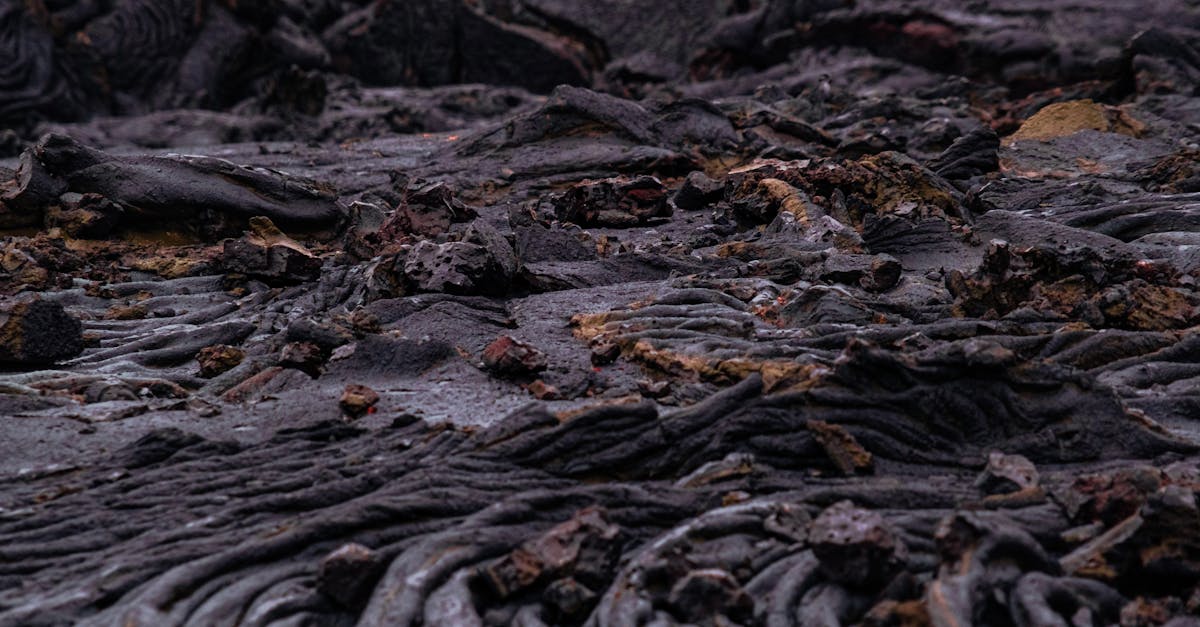
The study looked close at mare basalts. These are dark volcanic rocks from ancient lava flows. Billions of years old. The team checked chemical makeup. Titanium content stood out. Every rock with strong magnetism had high titanium. Over 6 weight percent. Those with less? Weak fields every time. Clear link. No exceptions.
How the Bursts Happened
Deep inside the Moon, at the core-mantle boundary. Titanium-rich stuff melted. That sparked intense fields. Temporary. Gone in thousands of years. Or less. Models back it up. The Moon's small core couldn't sustain more. But these spikes? They beat Earth's field. How? The melting boosted dynamo effects short-term. Convection ramped up. Magnetic lines strengthened fast. Then faded. Rocks formed in those bursts locked in the power. Cooled quick. Held the record.
Apollo bias explains the mix-up. Six landings. All in titanium zones. Smooth ground. Safe bets. Astronauts filled bags with the good stuff. Back on Earth, labs saw strength. Assumed it lasted. Half a billion years, some said. Wrong. Rare blips. That's all. If landings spread wider, weak signals would dominate. Like on Earth. Land six times in one spot. Miss the full story.
"Our new study suggests that the Apollo samples are biased to extremely rare events that lasted a few thousand years — but up to now, these have been interpreted as representing 0.5 billion years of lunar history." – Claire Nichols, Associate Professor, University of Oxford
Co-author Simon Stephenson noted the prediction power. They can now guess which rocks hold which signals. Artemis will test it. South pole. Shadowed craters. New ground. Diverse grabs. And check out giant star changes or chemists' silicon work for more space and science news.
What This Means
The Moon lacked a steady shield most times. Solar wind hit direct. No protection. That shaped its surface. Scarred it deep. No thick atmosphere formed. Water? Escaped easy. Life signs? Tougher hunt. But those bursts. They mattered. Brief cover. Maybe trapped gases. Built early crust. Or shielded spots. Artemis aims there. South pole ice. Habitability clues. Magnetic role key. Models match dynamo theory now. Small body. Weak field norm. Spikes from melts. Fits. Past work biased. Future samples fix it. Broader view coming. Moon's story rounds out. Earth's neighbor less mysterious. And ties to horse vocal studies show nature's odd tricks everywhere.
Frequently Asked Questions
Q: Why did Apollo rocks confuse scientists?
A: Landings hit titanium-rich areas. Those rocks caught rare strong fields. Most Moon rocks would show weak ones.
Q: How strong were these magnetic bursts?
A: Stronger than Earth's at peak. But only for thousands of years max. Maybe decades.
Q: What changes with Artemis missions?
A: They'll grab south pole samples. Test if weak fields rule elsewhere. Fill the gaps.
Frequently Asked Questions
Why did Apollo rocks confuse scientists?
Landings hit titanium-rich areas. Those rocks caught rare strong fields. Most Moon rocks would show weak ones.
How strong were these magnetic bursts?
Stronger than Earth’s at peak. But only for thousands of years max. Maybe decades.
What changes with Artemis missions?
They’ll grab south pole samples. Test if weak fields rule elsewhere. Fill the gaps.