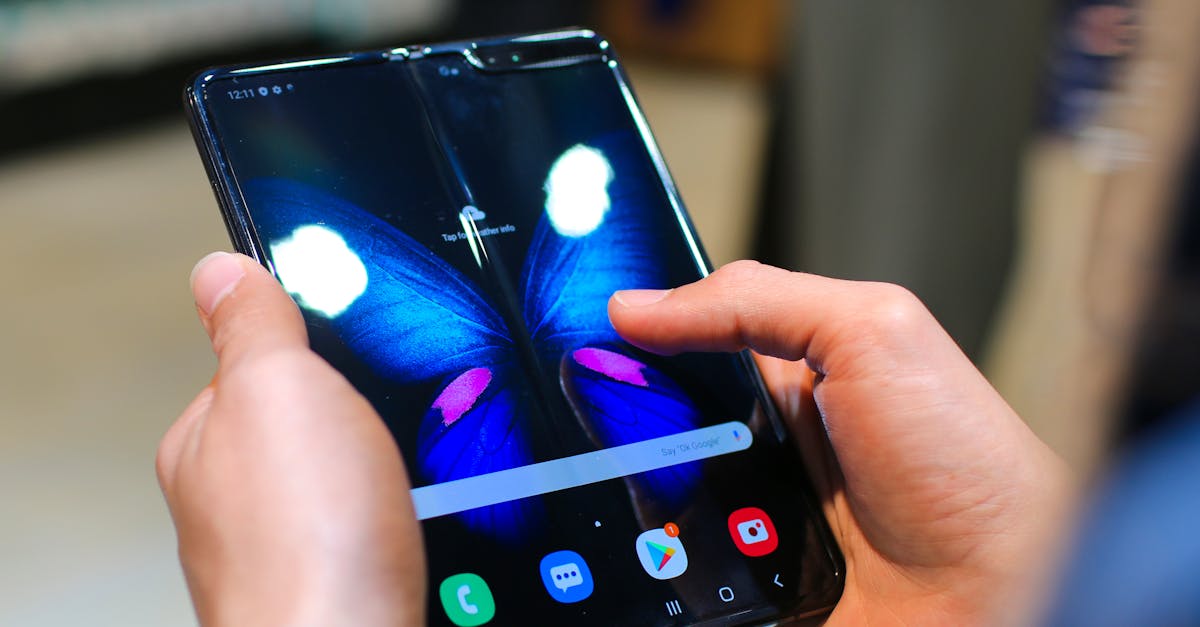
Apple is set to release its first foldable iPhone in September 2026, marking the company's entry into a market dominated by Samsung's Galaxy Z Fold series. The device, known as the iPhone Fold, will feature a 7.8-inch inner display and a 5.3-inch outer screen, along with a redesigned button layout that represents a significant departure from how iPhones have worked for nearly two decades.
The move signals Apple's commitment to exploring new form factors as the smartphone market matures. Multiple analysts and industry sources have revealed detailed specifications about the upcoming device, painting a picture of a phone that prioritizes battery life and internal space over traditional design conventions.
Background
Apple has long resisted jumping into the foldable market, even as Samsung refined its Galaxy Z Fold line over multiple generations. The company's decision to finally release a foldable device comes as the technology has matured and become more reliable. Samsung's Galaxy Z Fold 8, also launching this year, will serve as the iPhone Fold's primary competitor.
The foldable phone segment has grown significantly since Samsung introduced the Galaxy Z Fold in 2019. However, Apple's entry into this space has been eagerly anticipated by investors and consumers alike, with the company taking its time to perfect the technology before release.
"The iPhone Fold features an extreme, yet reasonable and elegant internal stacking structure that is expected to shock the industry." – Industry analyst reports
Apple's decision to launch the iPhone Fold alongside the iPhone 18 Pro and iPhone 18 Pro Max suggests the company views foldable devices as a premium product line rather than a mainstream offering. The September launch timing follows Apple's traditional release schedule for flagship devices.
Key Details
Display and Design
The iPhone Fold will feature a 7.8-inch main display when unfolded and a 5.3-inch cover display when folded. The inner screen is expected to be crease-free, addressing one of the persistent complaints about competing foldable devices. The outer display is notably smaller than what some previous rumors suggested, which could affect how easily users can operate the phone in its folded state.
The device will be constructed from a combination of titanium and aluminum, materials that Apple has used in recent premium devices. The company is currently confirming white as a color option, with one additional color expected at launch, giving customers just two choices.
Button Placement and Battery
One of the most striking design changes involves the relocation of volume buttons. Instead of appearing on the left side of the device as they do on all current iPhones, the volume controls will be placed on the top right edge, similar to the iPad mini. The power button, which integrates Touch ID, remains on the right side along with a new camera control button.
This unusual button placement serves a practical purpose. The motherboard is located on the right side of the device, and moving the volume buttons to the top right eliminates the need to run cables across the screen to the left side. This design choice maximizes internal space and allows for the largest battery Apple has ever installed in an iPhone. Reports suggest the battery capacity will fall between 5,300 and 5,500 milliamp hours.
The left side of the device is completely smooth with no buttons, dedicating almost all available space to the screen structure and battery.
Cameras and Authentication
The iPhone Fold will feature dual 48-megapixel rear cameras arranged horizontally on the right side of the device. The front-facing camera will be an 18-megapixel sensor accessed through a hole-punch design in the display. This approach makes sense given that the device uses Touch ID for authentication rather than Face ID, eliminating the need for the larger Dynamic Island cutout used on other iPhones.
The rear camera module will have a completely black base that does not match the device's body color, a design choice that differs from Apple's typical approach.
Processing Power and Connectivity
The iPhone Fold will use the same A20 chip found in the iPhone 18 Pro and iPhone 18 Pro Max, ensuring it has comparable processing power to Apple's flagship phones. The device will also feature the Apple C2 modem, an in-house designed component that represents an improvement over the C1X and C1 modems used in other recent Apple devices.
The phone will include 12 gigabytes of RAM and support 5G connectivity. Storage capacity is expected to reach up to 1 terabyte, matching the highest capacity available on other premium Apple devices.
What This Means
The iPhone Fold's design choices reveal Apple's priorities for its first foldable device. By prioritizing battery life and internal space over traditional button placement, the company is signaling that it views the form factor as fundamentally different from conventional smartphones.
The reliance on Touch ID rather than Face ID simplifies the display design and allows for a smaller outer screen. This decision may appeal to users concerned about privacy, though it represents a step backward in authentication technology compared to Face ID.
The device's price remains unknown, but given its premium materials, advanced display technology, and exclusive positioning, it will likely command a significant premium over the iPhone 18 Pro Max. The small number of color options at launch suggests Apple is treating this as a limited, high-end product rather than a mass-market device.
For users accustomed to iPhones, the top-right volume button placement will require adjustment. However, the promise of significantly improved battery life may prove compelling enough to justify the learning curve. The device's success will depend on whether consumers view the foldable form factor as a genuine improvement over traditional phones or simply a novelty.