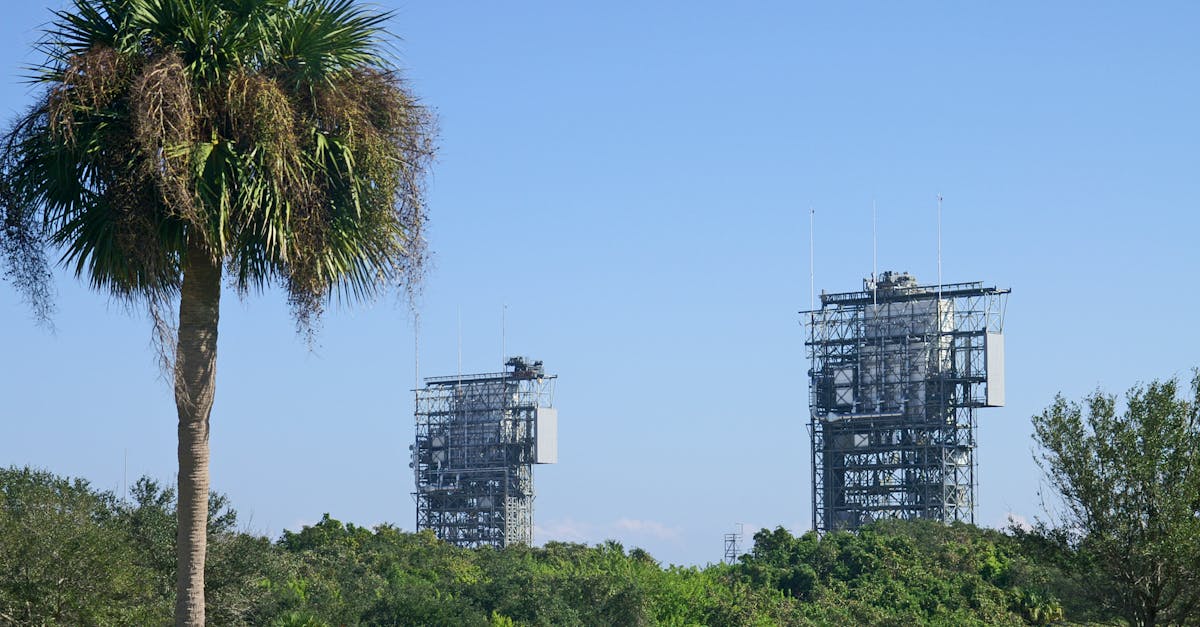
Europe's space company Arianespace will launch the Ariane 64 rocket for the first time on February 12, 2026, from the Guiana Space Centre in French Guiana. The rocket will carry 32 satellites for Amazon's Leo network, which aims to provide internet to remote areas. This launch marks a key step for Europe to compete in the global rocket market, as India also pushes forward with its own reusable rocket that shares design features with SpaceX's Falcon 9.
Background
Arianespace has spent years developing the Ariane 6 to replace the older Ariane 5 rocket. The Ariane 6 comes in two main versions: Ariane 62 with two boosters and Ariane 64 with four boosters. The 64 version can lift more than 20 tons to low Earth orbit, making it suitable for heavy satellite batches. This first Ariane 64 flight, called VA267 or LE-01, will use a 20-meter-long payload fairing to hold the 32 Amazon Leo satellites. Amazon picked Arianespace for 18 launches to deploy its constellation, which was once called Project Kuiper.
The Guiana Space Centre has been Europe's main launch site for decades. It sits near the equator, which helps rockets gain speed from Earth's rotation. Arianespace expects to confirm the exact launch time in the coming weeks. This mission puts Ariane 6 back in action after earlier flights with the 62 version.
Meanwhile, India's space agency ISRO is testing tech for a reusable rocket. Engineers there have shown a design with a first stage that lands vertically, much like SpaceX's Falcon 9. ISRO wants to cut launch costs and launch more often. The project started after successful tests of small reusable parts. Now, they aim for a full-scale version that can handle big payloads.
"The Ariane 64 will open new doors for heavy lifts from Europe," said an Arianespace spokesperson.
India's effort comes as its space program grows fast. The country already sends satellites and probes on low-cost rockets. A Falcon 9-style rocket would let ISRO enter the commercial market, competing with leaders like SpaceX and Europe.
Key Details
Ariane 64 Launch Breakdown
The February 12 launch will send the satellites to low Earth orbit, about 500 to 2,000 kilometers up. Each satellite weighs around 500 kilograms. Together, they form part of Amazon's plan to build thousands of spacecraft for global internet. The rocket's four boosters will fire first, then drop away. The core stage will push the payload higher before separating.
Arianespace has a busy schedule ahead. After this debut, more Ariane 6 flights are set for 2026, including weather satellites for EUMETSAT and navigation birds for Europe's Galileo system. Other payloads include Intelsat communications satellites and Optus craft. Long-term plans reach into the 2030s with missions to Venus and gravitational wave detectors.
India's Reusable Rocket Progress
ISRO's new rocket, often called the Next Generation Launch Vehicle, features a metal first stage that returns to Earth. Tests have included helicopter drops of prototypes that land on pads. The design has grid fins for steering during descent, side flaps, and legs that deploy at touchdown—features seen on Falcon 9. ISRO plans to reuse the stage up to 20 times.
The rocket could lift 10 tons to low orbit or 4 tons to geostationary transfer orbit. First tests of the full stack are eyed for 2028 or later. India already reuses engines from failed launches and has landing tech from its small RLV project. This bigger version targets satellite operators who want cheap rides to space.
Both projects highlight a shift in rocketry. Reusability and high capacity are now standard to meet demand from satellite firms like Amazon, OneWeb, and Starlink.
What This Means
The Ariane 64 debut strengthens Europe's position in space launches. Arianespace can now handle big jobs that once went to SpaceX or others. Amazon's choice shows trust in the rocket, and the 18-launch deal brings steady work. Success here could lead to more contracts from satellite builders worldwide.
For India, a Falcon 9-like rocket means self-reliance in heavy launches. ISRO spends less per kilogram than many rivals, but reusability would drop costs further. It opens doors to export services and join the rush to launch internet constellations. Both Europe and India aim to grab market share as space access grows.
Challenges remain. Ariane 6 must prove reliable after development delays. India's project needs to scale up from tests to flights without big failures. Weather, technical glitches, or payload issues could shift timelines. Still, these steps signal more competition and lower prices for satellite deployments.
Future launches will test these rockets. Ariane 6 has slots for military sats, science missions, and more Amazon batches. ISRO eyes human spaceflight and moon landers alongside commercial work. The race for reusable tech pushes all players to innovate faster.