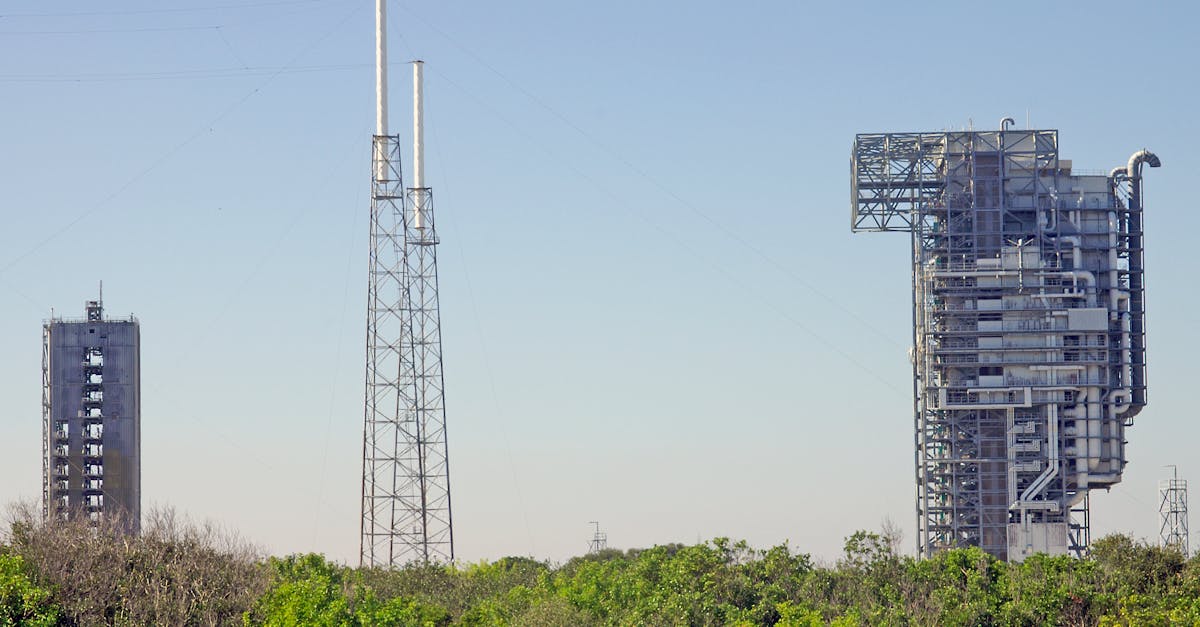
NASA successfully moved its Artemis 2 moon rocket to Launch Pad 39B at Kennedy Space Center in Florida on Saturday, January 17, marking a major step toward sending four astronauts around the moon for the first time since 1972. The Space Launch System rocket and Orion spacecraft completed the 4-mile journey in just over 11 hours, arriving at the pad at 6:42 p.m. EST after beginning its crawl at 7:04 a.m. that morning.
The massive 322-foot-tall rocket, weighing 11 million pounds, moved at approximately 1 mile per hour atop NASA's crawler-transporter vehicle, the same machine that transported Saturn V rockets during the Apollo era. Engineers had originally estimated the trip would take between 8 to 10 hours, but the actual journey took slightly longer as the vehicle carefully transported the rocket and mobile launcher platform across the flat Florida terrain.
Background
Artemis 2 represents NASA's second flight of the Space Launch System and will be the first crewed mission of the Orion spacecraft. The mission marks the return of American astronauts to lunar orbit after more than five decades, continuing NASA's ambitious Artemis program aimed at establishing a sustainable presence on the moon.
The rocket has been undergoing extensive preparations since October at NASA's Vehicle Assembly Building, a massive structure originally built to assemble Apollo-era rockets. Engineers stacked and assembled the complete Space Launch System rocket at this facility before Saturday's rollout. The journey from the assembly building to the launch pad is one of the most visible and anticipated moments in any NASA mission, drawing media attention and public interest.
"In the coming days, engineers and technicians will prepare the Artemis II rocket for the wet dress rehearsal, a test of fueling operations and countdown procedures," NASA officials said in a statement.
This wet dress rehearsal, scheduled for February 2, will be important for determining whether the rocket is ready for its crewed flight. During this test, NASA will load the rocket with super-cold cryogenic propellants, run through the complete countdown sequence, and practice safely draining the fuel from the rocket. The results of this test will directly influence whether NASA proceeds with the planned February 6 launch date.
Key Details
The Launch Timeline
NASA is targeting no earlier than February 6, 2026, for the Artemis 2 launch. The mission is planned as an approximately 10-day flight around the moon, carrying four astronauts on a journey that will take them farther from Earth than any human has traveled in decades. However, NASA has made clear that the February 6 date is the earliest possible launch, not a guaranteed date.
The tight timeline has been a topic of discussion within NASA. While the space agency is eager to launch the mission as soon as possible, officials have emphasized that safety remains the top priority. The wet dress rehearsal in early February will provide engineers with critical data about the rocket's systems and the launch infrastructure's readiness.
What Happens Next
Over the coming weeks, NASA engineers will connect the rocket to pad infrastructure and complete final preparations. The wet dress rehearsal will involve loading all propellants into the rocket and running through a complete countdown, allowing the mission management team to assess the readiness of the spacecraft, launch infrastructure, crew, and operations teams.
If any issues are discovered during preparations or testing, NASA has the option to roll the rocket back to the Vehicle Assembly Building for additional work. This flexibility is built into the mission plan to ensure that no crewed flight proceeds until all systems are verified as safe and functional.
What This Means
The successful arrival of Artemis 2 at the launch pad represents a significant milestone for NASA's lunar ambitions. The mission will demonstrate NASA's capability to safely transport astronauts to lunar orbit using the Space Launch System and Orion spacecraft, both of which have been in development for many years.
The February launch window, if successful, would mark a historic return to lunar exploration with a crewed mission. It would also validate the investments NASA has made in developing next-generation launch systems designed to support both lunar missions and eventual human exploration of Mars.
For the space industry and the broader public, Artemis 2 represents a turning point in human spaceflight. The mission will carry four astronauts on a journey that will test critical systems and procedures for future lunar landings planned under the Artemis program. Success in February would set the stage for subsequent missions that will land astronauts on the lunar surface.
The coming weeks will be intensive for NASA teams at Kennedy Space Center. Every system must be checked, every procedure must be verified, and every contingency must be considered. The wet dress rehearsal in early February will provide the final assessment before NASA makes the decision to proceed with one of the most significant human spaceflight missions in recent history.