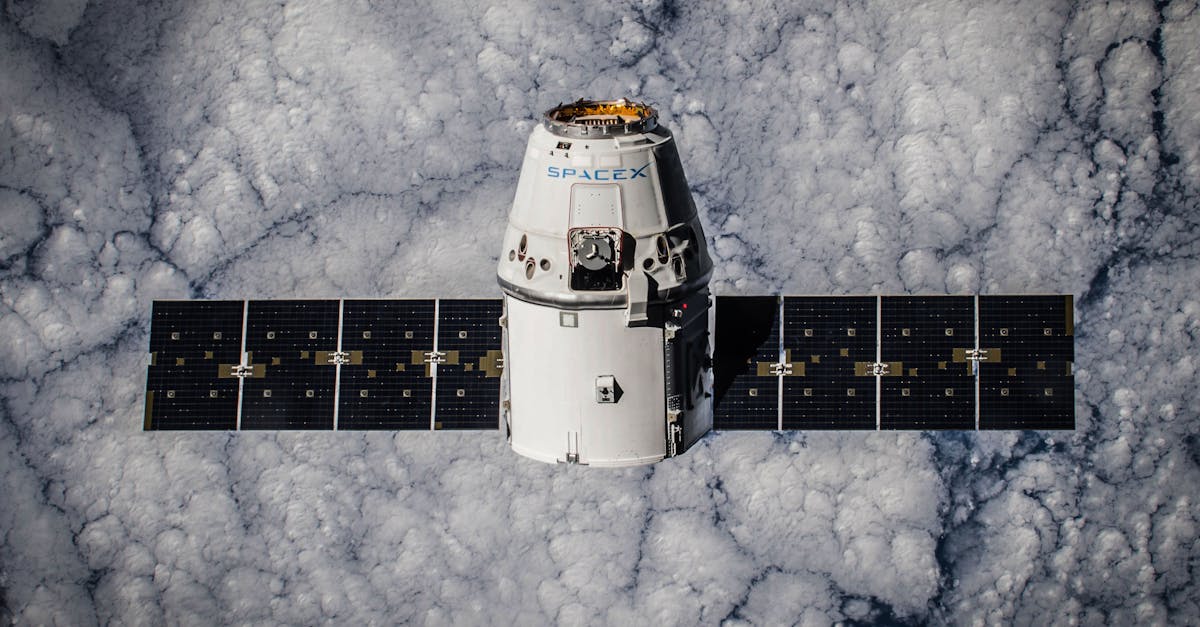
Four astronauts splashed down off the coast of San Diego on Thursday after NASA cut short their five-month stay on the International Space Station due to a medical issue with one crew member. The crew arrived by helicopter at Scripps Memorial Hospital La Jolla, the first West Coast hospital to treat astronauts right after their return from space. This event marked NASA's first medical evacuation from the ISS, sending the team home early in their SpaceX capsule.
Background
The International Space Station has hosted crews nonstop for 25 years now. Astronauts live and work there for months at a time, running experiments and keeping the outpost running. NASA keeps a full pharmacy and medical gear on board to handle health problems in orbit. Most issues get fixed up there, but if something needs doctors on Earth, the crew comes back in the same spacecraft they launched in.
This was the SpaceX Crew-11 mission. It launched over five months ago with four people: NASA astronauts Zena Cardman and Mike Fincke, Japan Aerospace Exploration Agency astronaut Kimiya Yui, and Roscosmos cosmonaut Oleg Platonov. They spent their time doing more than 140 experiments on things like biology, physics, and new tech for space travel. The crew even celebrated the 25th year of people living on the station without a break.
Things changed when one astronaut faced a health problem. NASA did not say what it was or how bad, out of respect for privacy. The space agency decided to bring the whole crew home early to get proper care on the ground. The capsule undocked from the ISS and headed back to Earth, aiming for a landing in the Pacific Ocean near San Diego.
Splashdown happened smoothly off the California coast. Recovery teams from NASA and SpaceX pulled the astronauts from the water. From there, helicopters flew them straight to Scripps Memorial Hospital La Jolla for checks. The hospital staff met them and gave care right away. After an overnight stay, the crew planned to head to Houston for more standard post-mission tests.
Key Details
The Crew and Their Mission
Zena Cardman, a NASA astronaut, led the team on this flight. She has training in geology and worked on past missions. Mike Fincke, another NASA veteran, has flown to space multiple times before. He knows the ISS well from long stays there. Kimiya Yui came from Japan and brought skills in engineering and science. Oleg Platonov represented Russia and helped with station maintenance tasks.
Over five months, they ran experiments that could help future space trips. Some looked at how plants grow without gravity. Others tested new ways to make water clean in space. They also fixed gear and prepared the station for the next crew. The medical issue came up late in the mission, leading to the quick return.
Splashdown and Hospital Transfer
The SpaceX capsule hit the water off San Diego around dawn on Thursday. Teams in boats reached it fast. The astronauts climbed out looking steady, though one needed extra medical attention. Paramedics checked them on site before the helicopter ride to the hospital.
Scripps Memorial Hospital La Jolla sits right by the coast, making it a good spot for this. Doctors there ran tests and kept the crew overnight. Hospital leaders said the setup worked well for quick care after a space return. By Friday, all four were cleared to travel to NASA's Johnson Space Center in Houston.
“I couldn’t be prouder of our astronauts and the teams on the ground at NASA, SpaceX and across our international partnerships,” NASA Administrator Jared Isaacman said. “Their professionalism and focus kept the mission on track, even with an adjusted timeline.”
What This Means
This first medical evacuation shows how NASA handles health risks in space. The station has good medical tools, but some problems still need Earth-based hospitals. Bringing back the whole crew keeps things simple and safe. It also tests plans for longer trips, like to the moon or Mars, where help is farther away.
Doctors learned from treating the astronauts right after splashdown. Things like gravity hitting the body again can cause issues after months in space. Muscles weaken, bones lose density, and fluids shift around. The hospital stay let experts watch this up close.
For the space program, it means tighter health checks before flights. NASA now has real data on pulling a crew early for medical reasons. This could shape rules for private missions too, since SpaceX runs many of these.
The ISS keeps going with other crews. NASA has a lunar flyby planned for February 2026, the first crewed moon trip in 54 years. Lessons from Crew-11 will feed into that. Space health stays a big focus as trips get longer.
San Diego's role adds a new spot to the map for astronaut care. Past returns often went to Florida or Texas. Having a West Coast option speeds things up for Pacific landings. Scripps now joins the short list of hospitals ready for space travelers.
The event went smooth overall. No big problems with the capsule or recovery. Teams from NASA, SpaceX, Japan, and Russia worked together without a hitch. This teamwork stands out as space efforts grow with more countries and companies involved.