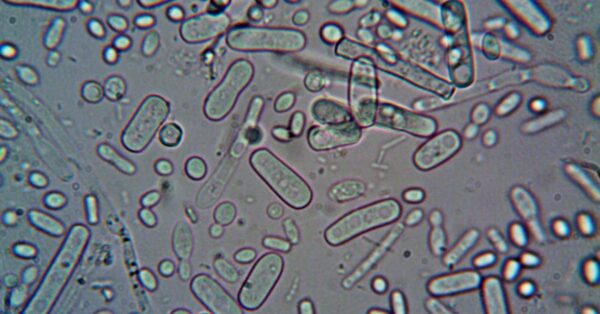
Scientists at the University of Waterloo in Canada have engineered bacteria to invade solid tumors and eat them from the inside out. The work targets the oxygen-poor cores of tumors, where these microbes grow fast and multiply. It's part of a push to find new ways to fight cancers that resist standard treatments. The team behind this expects tests in living models soon.
Key Takeaways
- Bacteria called Clostridium sporogenes naturally grow in tumor centers with no oxygen.
- A genetic change lets them handle low oxygen at tumor edges, but only after many gather inside.
- The system uses quorum sensing, a bacterial chat method, to time the change just right.
- Next up: combining tweaks into one bacterium for pre-clinical tumor tests.
Background
Solid tumors often have dead zones at their heart. No oxygen gets in there. Blood vessels can't reach deep enough. Cancer cells pile up. They starve for air. This creates a tough spot for drugs and radiation. Treatments hit the outside but miss the core. Doctors have long eyed bacteria for this job. Some bugs love low-oxygen spots. They head straight to tumors on their own. Back in the early 1900s, a New York doctor saw it happen by chance. A patient with cancer got a bad infection. The tumor shrank where bacteria took hold. That sparked ideas. But risks kept it sidelined. Bacteria can spread. They might harm healthy parts. Fast forward. Tools like gene editing changed the game. Now teams cut out bad traits. They add safe switches. Waterloo's group builds on that. They picked Clostridium sporogenes from soil. It can't live with oxygen. Perfect for tumor guts. Spores slip in. They wake up. Eat nutrients. Grow big. But edges have some air. Bugs die there. The team fixed that.
And it's not alone. Other labs tweak bacteria too. ChatGPT Tested on Emergency Triage Accuracy in New Study shows AI in health care. Similar push for smart tools. Antarctic Ice Yields Clues to Universe’s Deepest Secrets links to nature's odd spots. Tumors mimic that.
Key Details
The bacteria start as spores. Tiny. Tough. They travel through blood. Reach tumors. Tumor walls leak. Easy entry. Inside, no oxygen. Nutrients everywhere. Spores burst open. Bacteria feast. They eat cell bits. Dead tissue. Grow fast. Numbers explode. But outer layers? Trouble. A bit of oxygen kills them. So researchers grabbed a gene. From a cousin bug. That one takes low oxygen better. They stuck it in. Not always on, though. Too soon? Bacteria roam free. Hit lungs. Liver. Bad news.
Quorum Sensing Switch
Here's the smarts. Bacteria talk. They leak chemicals. Few around? Signal weak. No switch. Many pile up? Signal strong. Boom. Oxygen gene fires up. It's called quorum sensing. Like a vote. Enough votes, change happens. Dr. Marc Aucoin explained it clear.
"Bacteria spores enter the tumor, finding an environment where there are lots of nutrients and no oxygen, which this organism prefers, and so it starts eating those nutrients and growing in size," said Dr. Marc Aucoin, a chemical engineering professor at Waterloo. "So, we are now colonizing that central space, and the bacterium is essentially ridding the body of the tumor."
Dr. Brian Ingalls added the circuit angle.
"Using synthetic biology, we built something like an electrical circuit, but instead of wires we used pieces of DNA," said Dr. Brian Ingalls, a professor of applied mathematics at Waterloo. "Each piece has its job. When assembled correctly, they form a system that works in a predictable way."
Tests so far? Lab dishes. Mice next? No. Pre-clinical first. Full combo bacterium. Oxygen gene plus switch. Against real tumors. Safety checks. Spread control. Immune dodge.
Tumors vary. Colon. Breast. Liver. Brain. Low-oxygen cores common. This fits many. Injection? Likely vein. Or direct to tumor. Doses matter. Spore count key. Too few? No quorum. Fail. Too many? Overgrowth risk.
Key Details on Tumor Targeting
Clostridium sporogenes isn't new to this. Past studies showed it shrinks tumors in rats. Alone. No tweaks. But didn't finish the job. Edges stopped it. Waterloo closes that gap. Gene from oxygen-tolerant kin. Say, Clostridium perfringens relative. Matches well. No rejection mess. Quorum chemicals? Autoinducers. Build up. Hit threshold. Promoter activates. Gene on. Bacteria toughen up. Push outward. Eat more.
Lab work precise. DNA snippets. Like Lego. Snap together. Test in flasks. Mimic tumor air levels. Zero oxygen core. Gradual rise outside. Bugs stayed alive. Spread further. No early jump. Perfect.
What This Means
This could hit tumors drugs miss. Chemo struggles deep in. Radiation fades fast. Bacteria drill right through. Eat the mass. Immune boost too? Dead tumor bits alert body. T cells wake. Attack leftovers. Combo potential. With immunotherapy. Or viruses. Other labs pair bacteria with payloads. Viruses hide inside. Burst out. Double hit.
Risks real. Infection chance. Even engineered. Monitor close. Kill switch? Maybe UV light. Or drug trigger. Self-destruct gene. Safety first. Patients with weak immunity? Careful pick. Trials start small. Few people. Set doses.
Big picture. Cancer kills millions yearly. Solid types worst. This adds a tool. Not cure-all. But option. For late stage. Or relapsed. Costs? Lab-made bacteria cheap at scale. Spores stable. Store easy. One shot maybe enough. Repeat if needed.
Doctors watch close. Waterloo leads. But global race on. China. US. Europe. All engineering bugs. CRISPR speeds it. Custom per cancer. Gene signatures guide.
And everyday impact. Hope for families. Long battles. Remission slips. This brings fresh path. Tests ahead. Years to clinic. But steps solid.
Frequently Asked Questions
How do the bacteria find tumors?
They use blood flow. Tumors leak. Enhanced permeability. Low oxygen pulls them. Natural tropism. No GPS needed.
Is this safe for humans yet?
Not yet. Lab stage. Pre-clinical next. Mice. Then trials. Safety tweaks in place. Quorum limits spread.
What cancers could it treat?
Solid ones. With hypoxic cores. Colon. Pancreatic. Liver. Brain. Not blood cancers.
Frequently Asked Questions
How do the bacteria find tumors?
They use blood flow. Tumors leak. Enhanced permeability. Low oxygen pulls them. Natural tropism. No GPS needed.
Is this safe for humans yet?
Not yet. Lab stage. Pre-clinical next. Mice. Then trials. Safety tweaks in place. Quorum limits spread.
What cancers could it treat?
Solid ones. With hypoxic cores. Colon. Pancreatic. Liver. Brain. Not blood cancers.