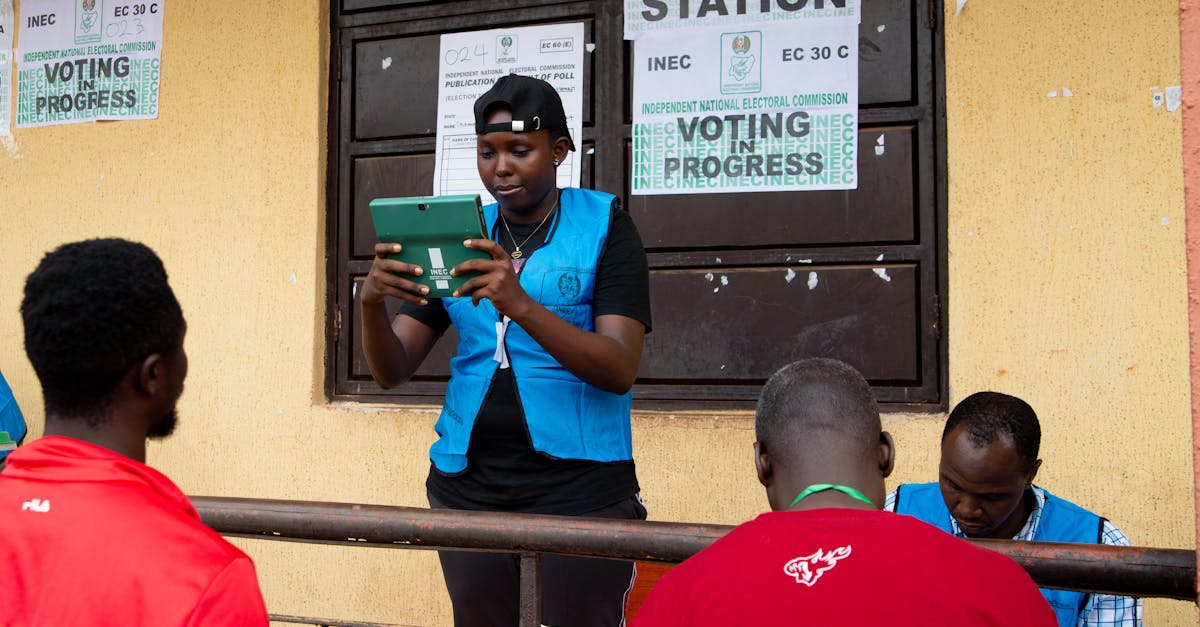
Voting ended this afternoon in Bangladesh's first general election since a mass movement forced out longtime leader Sheikh Hasina, marking a significant moment for a country trying to rebuild democratic institutions after years of authoritarian rule.
More than 127 million people were eligible to vote across nearly 170 million citizens. Polling stations closed at 4:30 pm local time, with an overall voter turnout of 47.91% recorded by 2 pm. A total of 1,981 candidates competed for seats in Parliament, with the election managed by an interim government headed by Nobel Peace Prize winner Muhammad Yunus.
The election represents the country's first real competitive contest since 2009. Hasina's Awami League party was barred from participating after the Election Commission cancelled its registration, fundamentally reshaping the political landscape. The competition now centers on two main forces: the Bangladesh Nationalist Party (BNP) led by Tarique Rahman, and an 11-party alliance spearheaded by the Islamist Jamaat-e-Islami.
Background
Sheikh Hasina's government fell in July 2024 after months of escalating protests, primarily driven by young people demanding change. The demonstrations began over job quotas but evolved into a broader rejection of her administration's record on democracy and governance. Her departure ended one of the longest continuous periods of rule by a single leader in Bangladesh's recent history.
The interim government, led by Yunus, has promised to conduct free, fair and peaceful elections. This pledge carries weight given Bangladesh's history of election-related violence and political instability. The voting process was designed to allow citizens a genuine choice after years in which elections were seen as predetermined outcomes.
Young voters played a central role in Hasina's removal, and that generation remains a major factor in today's election. Nearly 5 million first-time voters cast ballots, and about 40% of Bangladesh's population is under 30. The next government will face intense pressure to create jobs for millions of young citizens still seeking employment.
Key Details
The Main Contenders
Tarique Rahman, son of former prime minister Khaleda Zia who died in December, returned to Bangladesh in December after 17 years in self-imposed exile to lead the BNP campaign. He has positioned himself as the candidate of stability and economic recovery. Rahman has pledged to strengthen democratic institutions, revive the rule of law, and rebuild the economy.
The BNP is contesting 292 of the 300 parliamentary seats, leaving the remaining constituencies to its coalition partners, which include more than half a dozen smaller parties. Opinion polls indicate the BNP-led alliance holds an edge heading into today's vote.
The Jamaat-e-Islami-led coalition presents the main challenge. Jamaat was banned during Hasina's tenure but has regained ground since her removal from office. The coalition also includes the National Citizen Party, a recently launched group formed by Gen Z student leaders linked to the 2024 uprising. This alliance seeks to expand Islamist influence in national politics.
Major Issues Facing Voters
Inflation emerged as the top concern for Bangladeshi voters. Official figures show inflation rose to 8.58% in January, with more than two-thirds of those surveyed naming rising prices as their second-most serious concern.
Economic development ranks as the third priority. Bangladesh was once among Asia's fastest-growing economies, but the nation has struggled to recover pace after the COVID-19 pandemic disrupted its export-led garment industry. Voters are looking for a government capable of reviving growth.
Employment remains critical. With 40% of the population under 30, the next government faces strong pressure to create jobs for millions of young citizens following months of unrest.
The Awami League Question
Hashina's party being kept out of the election created uncertainty about voter behavior. Hasina herself said that without her party, millions of its supporters would have no one to vote for and might choose to boycott the polls. Some citizens did announce they would not participate.
However, experts did not expect a large-scale boycott. Most analysts believed former Awami League supporters would still influence the final result, even without their traditional party option.
What This Means
Today's election carries significance beyond Bangladesh's borders. The result will indicate whether youth-led protest movements can transform into lasting democratic change. The outcome will shape how the country addresses economic challenges, creates opportunities for young people, and rebuilds institutions damaged during Hasina's rule.
"The process is being managed by an interim government headed by Nobel Peace Prize winner Muhammad Yunus, which has promised free, fair and peaceful elections."
The vote also tests whether Bangladesh can conduct a genuinely competitive election after decades of political turbulence. A successful, peaceful election could strengthen international confidence in the country's democratic institutions. Conversely, any irregularities or violence could undermine the interim government's credibility and the legitimacy of whatever government emerges.
For the region, Bangladesh's political direction matters. The choice between the secular-oriented BNP and the Islamist-led coalition could influence Bangladesh's foreign policy, economic partnerships, and social policies. India, in particular, watches closely given shared borders and economic ties.
Counting of votes will begin after polls close, with results expected to emerge over the coming days. The new government will inherit significant challenges: a struggling economy, unemployment among youth, inflation, and the broader task of rebuilding democratic institutions and public trust in government after 15 years of rule many Bangladeshis view as authoritarian.