
Paleontologists led by Paul Sereno from the University of Chicago have discovered Spinosaurus mirabilis, a giant blade-crested dinosaur in the central Sahara of Niger. The find, announced in a study published in Science, reveals a predator about the size of a Tyrannosaurus rex that lived over 95 million years ago. This "hell heron" had a huge scimitar-shaped crest on its head. It hunted fish in rivers hundreds of miles from the ocean. The fossils came from remote inland river deposits, changing ideas about how these dinosaurs lived.
Key Takeaways
- Spinosaurus mirabilis had a 20-inch scimitar-shaped crest likely covered in colorful keratin.
- Found in Niger's Sahara at a site called Jenguebi, far from ancient coasts.
- Suggests spinosaurs waded in forested rivers, not fully aquatic like once thought.
- First spinosaur with an interdigitating piscivorous mouth for catching fish.
Background
Spinosaurus dinosaurs have puzzled scientists for years. People long thought they were like crocodiles, swimming in ancient seas. Early fossils came from spots near old shorelines in North Africa and Europe. Those finds showed long snouts, cone-shaped teeth for grabbing fish, and big claws. But debates raged. Were they sea hunters? Or did they stick to rivers?
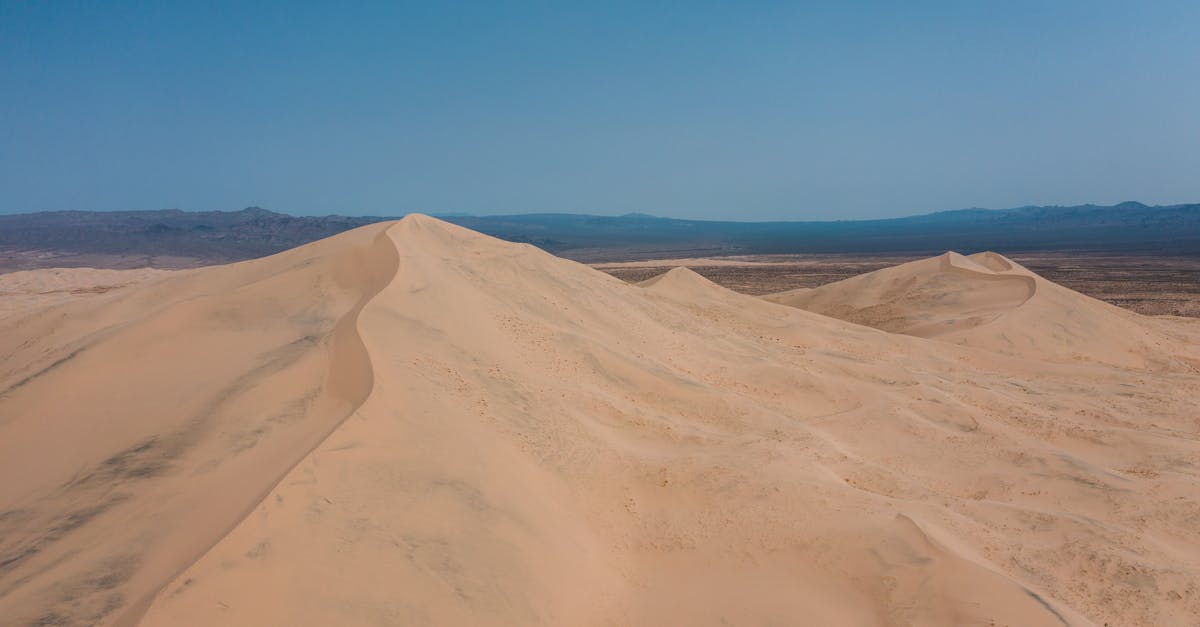
Paul Sereno's team has worked in Niger for decades. The country holds rich fossil beds from when the Sahara was green, full of rivers and forests. Back in 2019, a small group went deep into the desert. They met a Tuareg man on a motorbike. He knew of big bones. After a long, tense ride—gas running low—they reached a spot packed with fossils. Time short, they grabbed teeth and jaw pieces. One odd bone stood out. A curved crest. No one knew what it was yet.
But that changed. In 2022, a bigger team of 20 returned. They dug up two more crests. Back at camp, powered by solar laptops, they built 3D models. Tears flowed. It was a new species. Spinosaurus mirabilis. Mirabilis means astonishing in Latin. Fitting.
Niger's fossils help tell the story of a wetter Africa. Rivers cut through woods. Big predators roamed. Sereno's group even built the Museum of the River in Niamey. It's the world's first zero-energy museum. It'll show this spinosaur soon, next to stone-age tools.
And this ties into bigger work. For instance, recent NASA efforts with the Artemis 2 rocket remind us how exploration pushes science forward, from space to ancient earth.
Key Details
The crest grabs attention first. It's scimitar-shaped, up to 20 inches tall. Inside, vascular canals show blood flow. The surface texture points to keratin covering, like a rhino horn. Likely bright colors too. A display for mates? A warning to rivals? No one knows yet.
The Hunt and the Find
The Jenguebi site sits in central Niger. Geology says rivers and forests, 310 to 610 miles from any sea. That's key. Old spinosaur bones hugged coasts. This one didn't. It waded shallow waters. Powerful legs. Not built for deep swims.
Jaws tell more. Conical teeth for fish. But unique: interdigitating edges. Like a trap. Snaps shut on slippery prey. First time seen in dinosaurs. Size? Matches T. rex. Long body. Sail-like spine, maybe.
Expedition tales sound like movies. The Tuareg guide led them blind. One day out. Doubts high. Then bones everywhere. They hauled 55 tons total. Jaws. Teeth. Crests. Lab work confirmed it all.
"This find was so sudden and amazing, it was really emotional for our team," Sereno said. "I'll forever cherish the moment in camp when we crowded around a laptop to look at the new species for the first time, after one member of our team generated 3D digital models of the bones we found to assemble the skull—on solar power in the middle of the Sahara. That's when the significance of the discovery really registered."
Team members cried. Instant recognition. Without the crest, it might pass as variation. But that blade? Undeniable. New species.
Other fossils turned up too. More animals from that lost world. The Sahara hides layers of history. Green then. Dry now.
Spinosaurus Family Tree
Spinosaurids evolved late. This marks the end phase. Inland life fits patterns. They ate fish mainly. But walked strong. Claws for grabbing. Not flippers.
Key Details on the Anatomy
Skull pieces fit a big head. Crest curves up. Blade-like. Blood vessels fed it. Keratin sheath. Colors? Maybe red, yellow. Stood out in green forests.
Mouth special. Teeth lock together. Fish trap. Piscivorous means fish-eater. Interdigitating: fingers meshing. Perfect for rivers.
Body hints. Strong hind legs. Wader. Not swimmer. Inland rivers. Forest shade. Fish schools. Prey everywhere.
What This Means
Old views shift. Spinosaurus weren't ocean divers. They stalked rivers far inland. Powerful. Patient. Like herons on steroids. Hell heron fits.
Books rewrite. Museums update. Kids learn new facts. Niger shines brighter. More digs likely. Tuareg guides help.
Evolution clears up. Spinosaurids adapted wide. Coasts. Rivers. Forests. Last survivors before asteroid hit.
Science marches. Like the RHIC's final run recreating Big Bang conditions, this find peels back deep time.
Broader impact. Shows Sahara's past. Green Sahara. Rivers fed life. Humans came later. Fossils link it all.
Teams plan more. Jenguebi holds secrets. What else lurks? Bigger spinosaurs? New families?
Public grabs it. Dinosaurs sell. This one's got flair. That crest. Inland twist. Stories spread.
Frequently Asked Questions
How big was Spinosaurus mirabilis?
About the size of a T. rex. Long body. Big head. Lived 95 million years ago.
Why is the crest important?
It's unique. Scimitar-shaped. 20 inches tall. Covered in keratin. Likely colorful. Proves new species.
Where exactly was it found?
Jenguebi site, central Niger. Inland river deposits. Hundreds of miles from ancient seas.
Frequently Asked Questions
How big was Spinosaurus mirabilis?
About the size of a T. rex. Long body. Big head. Lived 95 million years ago.
Why is the crest important?
It’s unique. Scimitar-shaped. 20 inches tall. Covered in keratin. Likely colorful. Proves new species.
Where exactly was it found?
Jenguebi site, central Niger. Inland river deposits. Hundreds of miles from ancient seas.