
Researchers at Chalmers University of Technology in Sweden and Oslo University Hospital in Norway have found signs of Parkinson's disease in blood samples taken years before the shaking hands or stiff muscles that most people notice first. The work points to a narrow time frame early on when the body leaves clear traces of the illness in the blood. These traces come from how cells deal with stress and fix their own DNA.
Background
Parkinson's disease affects about one million people in the United States alone, and millions more around the world. It starts quietly in the brain, where cells that make dopamine—a chemical needed for smooth movement—begin to die off. By the time a person notices trouble walking or holding a cup steady, half or more of those cells are often gone. That lost time makes it hard to slow the disease down.
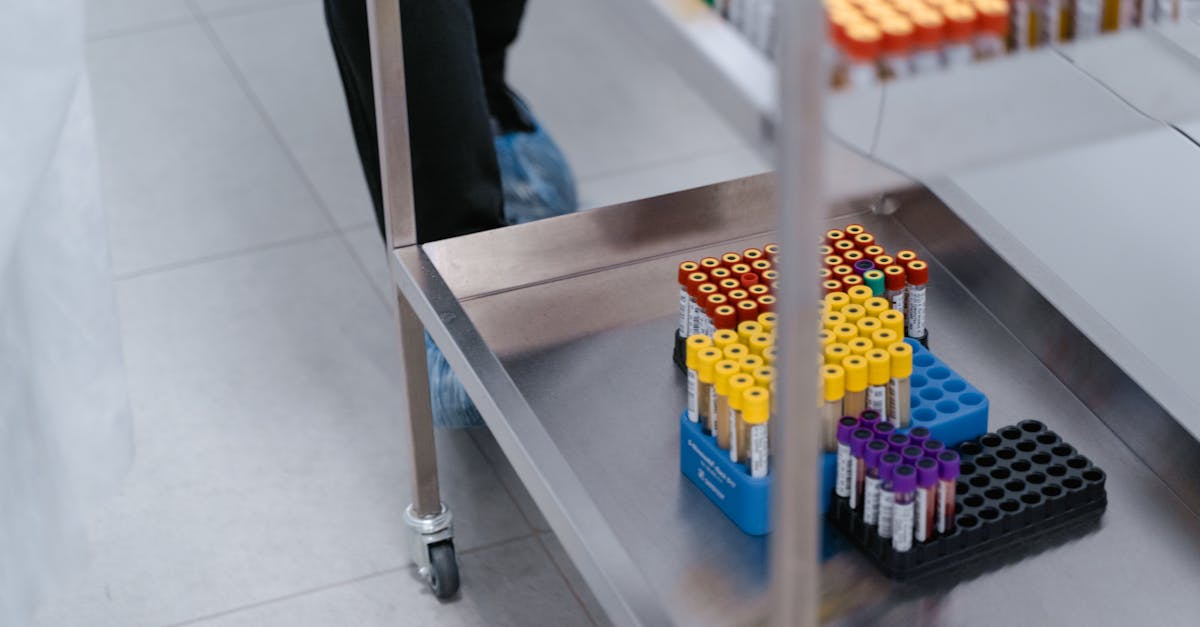
Doctors today rely on watching symptoms to diagnose Parkinson's. There is no sure way to catch it early. Past efforts looked at brain scans or fluid from the spine, but those methods are tough to use on a large scale. They cost a lot and need special equipment. Blood tests, on the other hand, are simple. A nurse can draw blood in any clinic, and results come back fast.
This new research changes the picture. The team studied blood from people at different stages of Parkinson's. They found patterns in gene activity that show up only in the very beginning. These patterns link to basic cell work: handling stress from damage and repairing DNA breaks. As Parkinson's moves on, those patterns vanish. The findings came out this week in a medical journal focused on the disease.
The study built on years of tracking patients. Some had no symptoms yet but later developed Parkinson's. Others had the disease for a while. Healthy people served as a control group. By comparing all these blood samples, the researchers pinned down what makes the early stage unique.
"By the time the motor symptoms of Parkinson’s disease appear, 50 to 80 per cent of the relevant brain cells are often already damaged or gone. The study is an important step towards facilitating early identification of the disease and counteracting its progression before it has gone this far," says Danish Anwer, a doctoral student at Chalmers University of Technology and the study's first author.
Key Details
The team measured activity in genes inside blood cells. They focused on ones tied to stress responses and DNA repair. In people just starting Parkinson's—before any shakes or slowness—these genes turned on in a specific way. That signal lasted only a short time, maybe months or a couple of years.
How They Found the Markers
Scientists used tools to read RNA, which shows which genes are active. Blood from over 100 people went under the microscope. The group included those with early signs like lost smell or sleep issues, full Parkinson's patients, and healthy volunteers. Patterns stood out in the early group alone. No other blood test has nailed this phase so well before.
The markers match what happens in the brain. Dopamine cells face extra stress early. They try to fix DNA damage from things like toxins or aging. Blood picks up that fight because cells there react the same way. Once brain damage spreads, the early signals stop. Later stages show different changes.
Researchers tested the idea across samples taken over years. People who seemed fine at first draw but got diagnosed later had the markers. That proves the test spots risk before doctors can tell by eye.
The method is practical. No fancy machines needed beyond standard lab gear. Cost stays low, under $100 per test in bulk. Results take days, not weeks.
"This means that we have found an important window of opportunity in which the disease can be detected before motor symptoms caused by nerve damage in the brain appear," says Annikka Polster, assistant professor at Chalmers who led the study.
What This Means
An early blood test could change how doctors handle Parkinson's. Right now, treatment starts after symptoms hit. Drugs like levodopa help movement but do little for brain cell loss. Catching the disease in that quiet window lets doctors try new options while most cells still work.
Trials for slowing drugs might use this test to pick patients. People at risk could get checked during routine visits. A positive result leads to close watch or lifestyle changes that might delay onset. Things like exercise and diet already show promise in holding off symptoms.
Within five years, the team expects these tests in clinics for real-world checks. First, they need bigger studies to confirm the markers work everywhere. Then come easy-to-use kits for any doctor's office.
Over time, the work opens doors to drugs targeting those early cell stresses. If pills can boost DNA repair or cut stress, they might keep dopamine cells alive longer. No such treatment exists yet, but the blood signals give a clear target.
Families with Parkinson's history stand to gain most. They could test yearly and act fast. Public health systems might screen older adults, much like cholesterol checks for heart risk. That shifts Parkinson's from a late surprise to a managed condition.
The findings also help other brain diseases. Alzheimer's and similar ills might leave blood traces too. One test could check for several risks at once.
Researchers now plan to map exactly why these genes fire up early. They want simpler detection tools and links to everyday risks like pesticides or head injuries. Each step builds toward tests that save years of healthy life.