

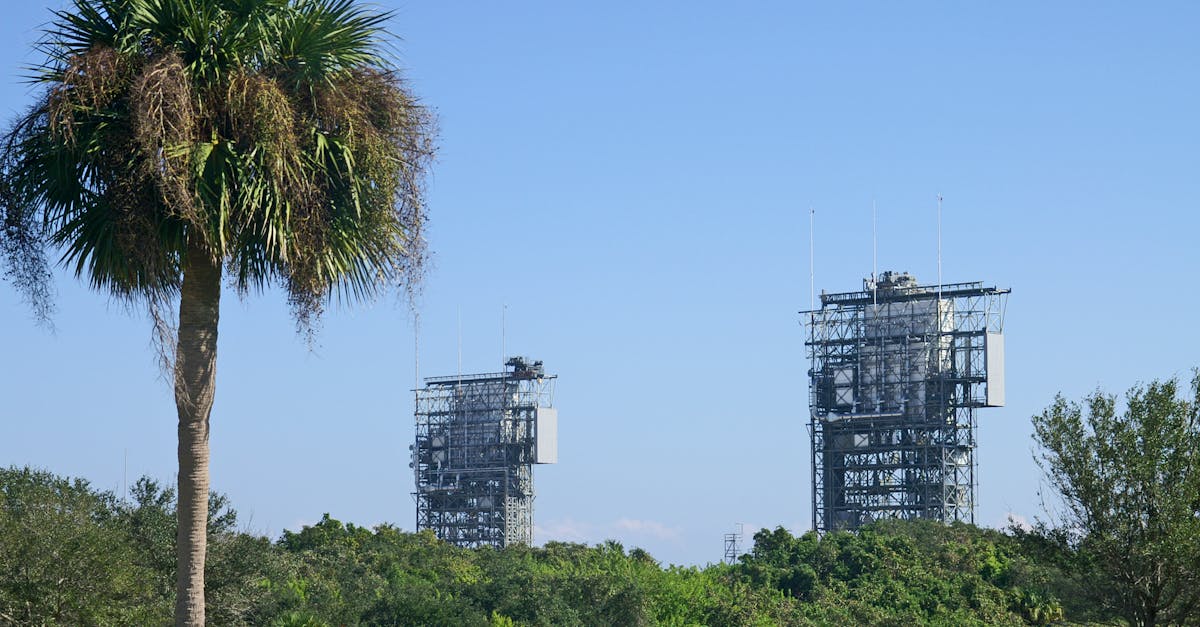
Blue Origin plans to launch its New Glenn rocket for a third time no earlier than late February from Cape Canaveral Space Force Station in Florida. The mission, called NG-3, will carry a satellite for AST SpaceMobile to low Earth orbit, not a lunar lander as some had expected earlier.
Background
New Glenn is Blue Origin's large rocket designed to send heavy payloads to space. The company, started by Jeff Bezos, has worked on this rocket for years to compete with other launch providers. The first test flight of New Glenn happened in late 2025. That mission went up from Launch Complex 36 at Cape Canaveral but did not try to bring the booster back to Earth.
The second flight, NG-2, launched on November 13, 2025. It carried two NASA satellites toward Mars. That launch succeeded fully. For the first time, the booster named 'Never Tell Me The Odds' came back down and landed on a ship called Jacklyn in the ocean. Blue Origin workers then checked the booster and prepared it for another flight. This reuse shows the company can ready hardware quickly for repeat use.
Earlier talk suggested the third launch might send Blue Origin's own robotic lander to the moon. That lander is part of the company's plans to deliver cargo to the lunar surface for NASA. But the company changed course. Now NG-3 focuses on a commercial satellite customer.
AST SpaceMobile picked New Glenn back in November 2024 to launch its satellites. The company builds a network called BlueBird to give cell phone service from space. Users could connect their phones directly to satellites when away from ground towers. This setup would work for regular people and government needs, offering internet access almost anywhere on Earth.
Blue Origin has picked up speed with its launches. After the NG-2 success just four months ago, this next flight shows growing confidence in the rocket. The company aims to offer reliable trips to space at lower costs over time through reuse.
Key Details
The NG-3 launch will use the same 'Never Tell Me The Odds' booster from NG-2. Blue Origin engineers refurbished it after the ocean landing. They ran tests and made it ready again. This will be the first time Blue Origin reuses a New Glenn booster on an actual mission.
The payload is AST SpaceMobile's Block 2 BlueBird satellite. This is a next-step model in their series. It will go to low Earth orbit, around 500 kilometers up. From there, it will help build the full network for space-based cell service.
Launch Complex 36 at Cape Canaveral Space Force Station will host the liftoff. This pad suits heavy rockets like New Glenn. The site has seen many launches over the years.
“We’re proud to have AST SpaceMobile as our customer on NG-3,” said Dave Limp, CEO of Blue Origin. “Our customers need a reliable, cost-effective launch vehicle, and New Glenn is purpose-built to serve their needs.”
Blue Origin shared this news in a statement on January 22, 2026. The date is set as 'no earlier than' late February, meaning it could slip if needed for more checks or weather.
Booster Reuse Process
After NG-2, the booster splashed down on the Jacklyn ship. Teams brought it back to shore. They inspected for damage from the flight and salt water. Fixes included checks on engines, fuel systems, and structure. Blue Origin says the work went well enough to aim for a firm launch window.
This step matches plans for New Glenn. The rocket has seven engines on the first stage. Reuse cuts costs and lets the company fly more often.
What This Means
The shift from a moon mission to a satellite launch lets Blue Origin build flight experience faster. Each launch gives data to improve the rocket. Reusing the booster proves the design works for multiple trips, which could draw more customers.
For AST SpaceMobile, this flight puts another satellite in place. Their network needs many units to cover the globe. A reliable launch like this helps them meet timelines for service rollout.
Blue Origin's pace matters in the busy launch market. Other companies fly often, so steady successes help win contracts. The company also eyes bigger projects, like its own satellite network called TeraWave announced this week. That plan involves thousands of satellites for high-speed links to businesses and governments, starting in 2027. New Glenn will likely handle many of those launches.
No moon trip yet means Blue Origin's lunar lander waits longer. NASA picked the company for cargo deliveries under the Artemis program. That work supports moon bases and science. A future New Glenn flight could still carry the lander once the rocket proves itself more.
Customers gain from a rocket that flies on schedule. AST SpaceMobile gets their satellite up soon. Others watching may book future slots. Blue Origin's Florida operations grow jobs and activity at Cape Canaveral.
The launch window in late February gives time for final preparations. Weather, technical checks, and range safety all play a role. If it goes well, NG-3 will mark another step for the rocket's career.
Blue Origin keeps pushing with other vehicles too. Its New Shepard rocket flies tourists to the edge of space from Texas. Recent updates point to a crewed trip this week. These efforts show the full range of the company's work.