Scientists at the University of Nottingham and the University of Cambridge have uncovered evidence that the brain uses the same areas to remember facts and personal life events. The study, released this week, used brain scans on 40 people and showed no clear split in activity between these memory types. This goes against years of research that treated them as separate. The work took place in labs in the UK and points to a more unified way the brain handles memory. It could change how experts approach diseases that affect recall.
Background
For years, researchers have divided memory into types. Episodic memory covers personal experiences, like what you ate for breakfast yesterday. Semantic memory holds general facts, such as knowing Paris is the capital of France. Studies often treated these as distinct, with different brain paths for each. This view shaped experiments, treatments, and theories for over 50 years.
The new work questions that split. Led by Dr. Roni Tibon, an assistant professor at Nottingham's School of Psychology, the team wanted to test if the brain really separates these processes. They paired it with experts from Cambridge's Cognition and Brain Sciences Unit. The goal was to match tasks closely so any differences would stand out. Past studies rarely compared them head-to-head in the same setup, which left room for doubt.
Brain imaging has advanced enough to map activity in real time. Tools like fMRI track blood flow to active areas, giving a clear picture of what's happening during recall. This study built on that to probe deeper. It comes at a time when memory loss in aging populations is a growing concern, with millions affected by conditions like Alzheimer's worldwide.
Key Details
The team recruited 40 healthy adults for the experiment. Each person learned pairings of company logos and brand names in a training session. Later, they faced two recall tasks inside an fMRI scanner.
The Tasks
In the episodic task, participants remembered details from the training, like which logo went with which brand they just learned. This tested memory tied to a specific time and place. In the semantic task, they recalled real-world facts about brands they already knew, without linking to when they learned it. The tasks were designed to be as similar as possible in difficulty and format to ensure a fair test.
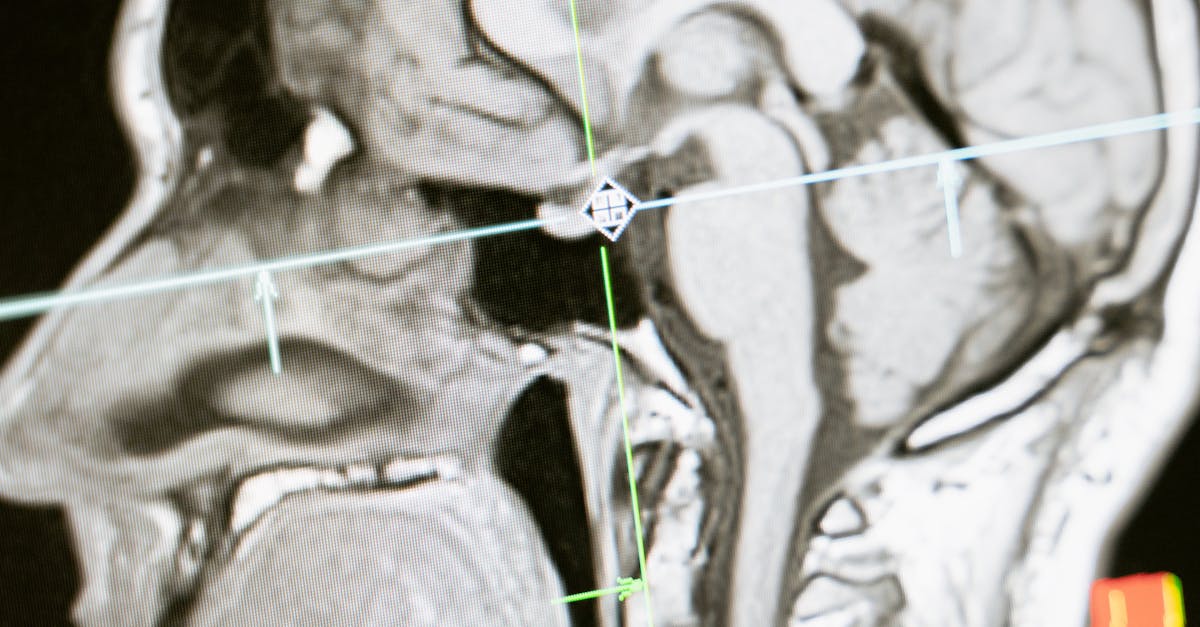
During scans, the machine measured blood flow changes. Active brain spots get more oxygen-rich blood, which fMRI detects. The images showed 3D maps of activity. To everyone's surprise, the patterns looked almost the same for both tasks.
No major differences appeared in the networks involved. Areas like those handling recognition and retrieval overlapped heavily. This held true across all participants who succeeded in the tasks.
"We were very surprised by the results of this study as a long-standing research tradition suggested there would be differences in brain activity with episodic and semantic retrieval. But when we used neuroimaging to investigate this alongside the task based study we found that the distinction didn't exist and that there is considerable overlap in the brain regions involved in semantic and episodic retrieval." – Dr. Roni Tibon, Assistant Professor in the School of Psychology, University of Nottingham
Dr. Tibon noted the team double-checked their methods. They aligned the tasks tightly and focused only on successful recalls to avoid noise from failures. The fMRI data was analyzed with standard tools to confirm the overlap.
What This Means
This finding flips a key assumption in memory science. If facts and events share brain space, models need updating. Textbooks and classes may soon reflect a more blended view of recall. Labs that studied one type alone might now combine approaches for better results.
For diseases, the shift matters. Alzheimer's and dementia hit memory hard. Early signs often mix lost facts and forgotten events. Seeing them as linked suggests the whole brain network is at play, not isolated parts. Treatments could target shared areas, like drugs or training that boost overall retrieval.
Dr. Tibon added that this view opens doors.
"These findings could help to better understand diseases like dementia and Alzheimer’s as we can begin to see that the whole brain is involved in the different types of memory so interventions could be developed to support this view." – Dr. Roni Tibon
Future steps include larger groups and different ages. Testing older adults or those with mild issues could show if the overlap weakens in disease. Other scans, like EEG for speed or PET for chemicals, might add layers. Drug trials could use these maps to track changes.
The study also calls for fresh task designs. Since old ones assumed splits, new ones might reveal hidden links. This could speed progress in a field slow to change. Schools training psychologists will likely adapt curricula. Clinics diagnosing memory problems may revise tests.
Broader impacts touch daily life. Apps for brain training often split memory types. Redesigns could focus on shared skills. Education might emphasize techniques that work across facts and stories. Even legal systems, which rely on witness recall, could weigh how unified memory affects reliability.
Researchers plan follow-ups. One idea is to scan during sleep, when memories consolidate. Another is to vary task loads to see if overlap holds under stress. Collaborations with clinics aim to link findings to patient scans.
This work stands as a reminder that the brain often defies neat boxes. What seemed separate now looks connected, pushing science forward.