Humans have lived with fire for more than a million years. This close tie brought burns into daily life and shaped our bodies in ways no other animal faces. A new study from researchers at Imperial College London points to burn injuries as a main driver in human evolution. It explains how our genes changed to heal wounds, fight germs, and feel pain after burns.
Background
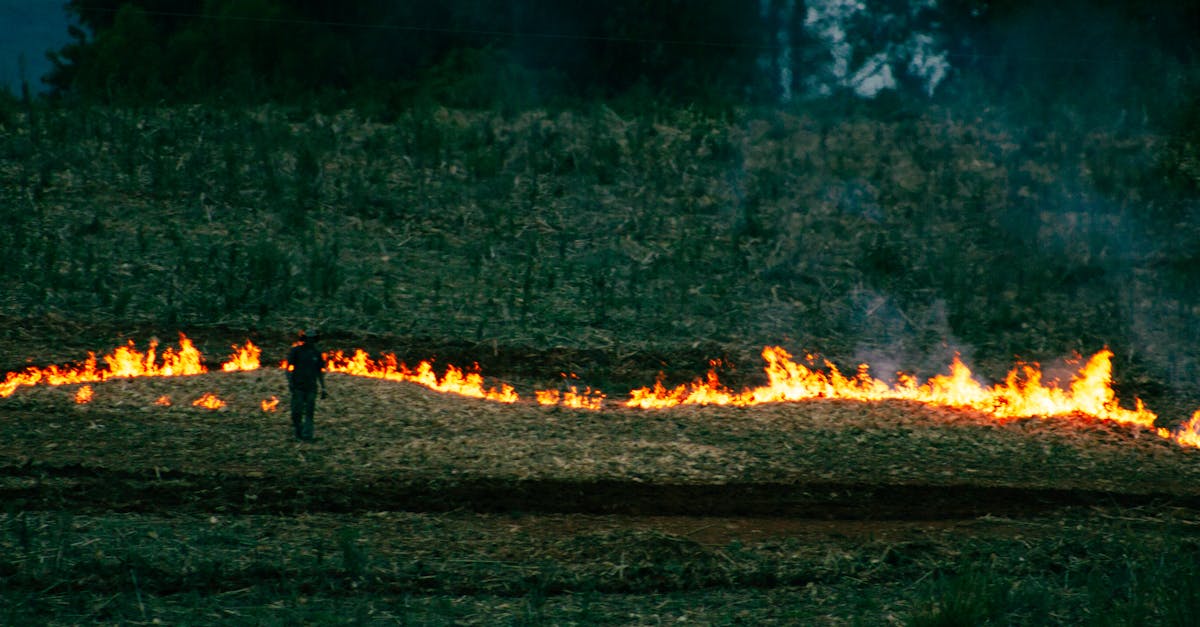
Fire changed everything for early humans. They used it to cook food, stay warm, and make tools. This started over a million years ago with our ancestors. No other animal does this. Most run from fire. Humans stay near it, so they get burned often.
People today still burn themselves many times in life. Think of touching a hot pan or a spark from a campfire. Small burns happen to almost everyone. Early humans faced the same risks without modern medicine. They had to survive infections from open wounds caused by heat.
The study looks at how this repeated danger pushed evolution. Natural selection picked people who healed faster from burns. Over time, genes changed to help with that. These changes set humans apart from apes and other mammals. Researchers compared DNA from different primates to spot these shifts.
Genes for closing wounds, starting inflammation, and boosting the immune system show fast changes in humans. Inflammation swells the area to fight germs. Quick wound closure stops bugs from getting in. Strong pain warns to stay away from heat. All this helped survive small burns back then.
"Burns are a uniquely human injury. No other species lives alongside high temperatures and the regular risk of burning in the way humans do." – Dr. Joshua Cuddihy, lead researcher at Imperial College London
Fire's role goes deep. It affects what we eat and how we live. Cooked food is easier to digest. Boiled water is safer. These habits mean more time near heat and more burns. This pattern lasted for generations, pressing on genes.
Key Details
The research came out in the journal BioEssays. It brings together doctors who treat burns, biologists who study evolution, and gene experts. They work at Imperial College London, Chelsea and Westminster Hospital, and Queen Mary University of London.
They found genes that speed up healing after burns evolved quicker in humans. These handle inflammation, immune fights, and scar tissue. Before antibiotics, infection killed many after burns. Fast responses saved lives.
But there is a downside. Traits good for small burns hurt in big ones. Too much inflammation can damage organs. Heavy scarring limits movement. This explains why severe burns are so hard for people today.
Genetic Evidence
Scientists checked primate DNA. Human versions of burn-related genes look different. They changed faster than in chimps or monkeys. This points to fire use as the cause. No other injury hits humans this way so often.
Cuts or bites happen to all animals. Burns do not. Only humans control fire and live with the risk. This makes burns a special pressure on our evolution.
The team says animal tests for burns often fail in humans. Our genes react differently because of this history. Mouse skin heals one way. Human skin, shaped by fire, does another.
"What makes this theory of burn selection so exciting to an evolutionary biologist is that it presents a new form of natural selection—one, also, that depends on culture." – Professor Armand Leroi, Imperial College London
Dr. Cuddihy treats burn patients. He sees how bodies react. Some heal well from bad burns. Others scar badly or get infections. Genes play a part, and evolution explains why.
Yuemin Li, a student at Queen Mary, looked at mutations. Humans have changes in key burn genes. These could explain why some people recover better.
Declan Collins, a surgeon, says this opens new paths. Knowing evolution helps study scars and healing. It might lead to better treatments.
What This Means
This work changes how we see human history. Fire did not just help us grow. It wrote changes into our DNA. Evolution now links to culture. Using fire changed our bodies.
For medicine, it means rethink burn care. Drugs that work in animals may not fit humans. Tailor treatments to our unique genes. Test how different groups heal based on ancestry.
It could improve surgery and wound care. Understand why some scar less. Predict who risks organ failure after big burns.
The study calls for more checks on human genes across populations. Some groups may have stronger or weaker burn traits. This aids personalized care.
Burn units see thousands each year. Kids from hot stoves. Workers from machines. Accidents in homes. Knowing our burn history helps doctors.
This also ties to bigger questions. How does tech shape us? Fire was the first. Now we have chemicals and radiation. Do they leave marks in genes too?
Researchers plan follow-up work. Map more genes. Test in labs. Link to patient outcomes. It builds a bridge from ancient fires to modern hospitals.
Every time someone cooks or lights a fire, it echoes that old story. Burns remind us of our past. They shaped who we are.