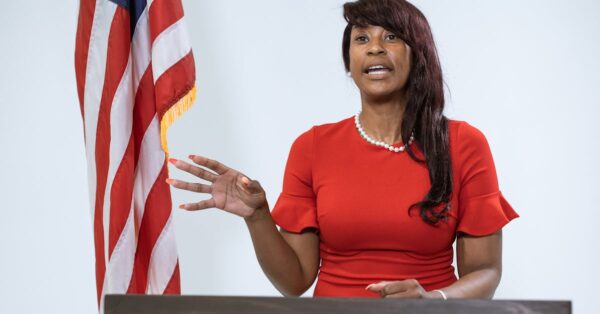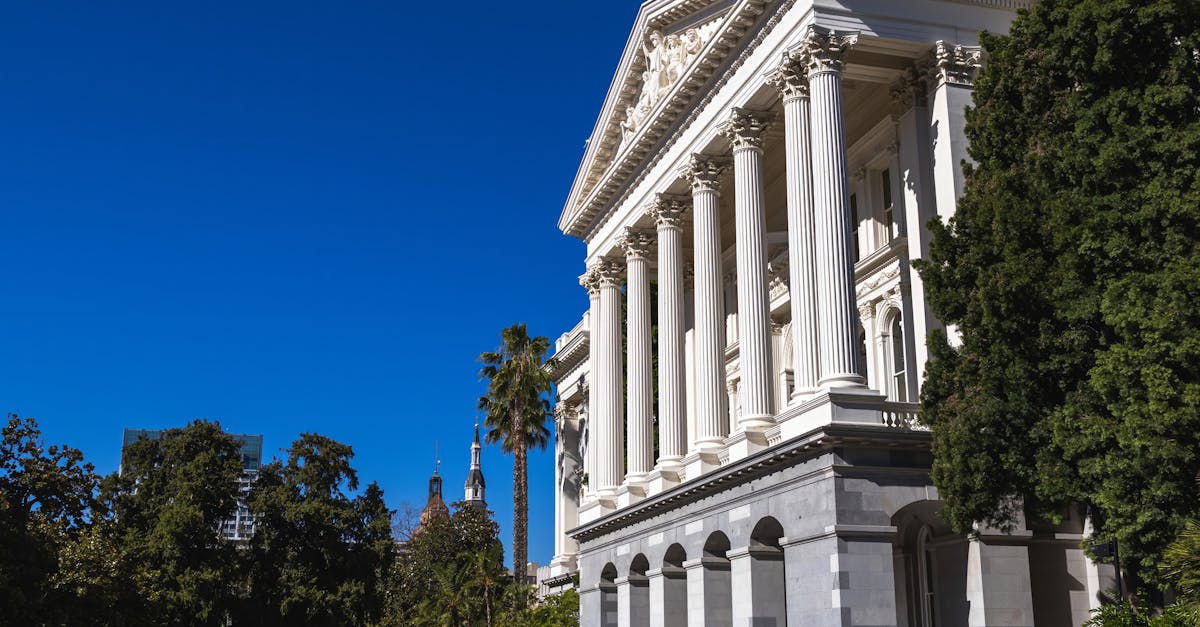
California has become the first US state to join the World Health Organization's Global Outbreak Alert and Response Network, just days after the United States formally withdrew from the agency. Governor Gavin Newsom made the announcement on January 26, 2026, following a private meeting in Davos, Switzerland, with WHO Director-General Tedros Adhanom Ghebreyesus. State officials say the step helps California stay linked to global health efforts on disease detection and response, even as federal policy changes.
Background
The US withdrawal from the WHO took effect earlier this week, ending decades of membership. Federal leaders, including Health and Human Services Secretary Robert F. Kennedy Jr. and Secretary of State Marco Rubio, pointed to the agency's handling of the COVID-19 pandemic as a key reason. They said the WHO pushed policies that went against US interests, like broad restrictions and emergency measures that overlooked local needs and scientific views on immunity and risk.
During the pandemic, the WHO coordinated global responses, including alerts on outbreaks and guidance on lockdowns and vaccines. Critics in the US argued this gave too much power to an international body funded partly by private groups, leading to one-size-fits-all rules that did not fit every country. The Trump administration moved to exit, and now the federal government plans bilateral deals for data sharing instead of relying on the WHO.
California, under Governor Newsom, took a different path during COVID. The state issued long-term emergency orders, mask rules, and vaccine requirements through executive action. Newsom's approach matched some WHO recommendations more closely than many other states. With the US now out, California looked for ways to keep ties to international health networks.
The Global Outbreak Alert and Response Network, or GOARN, started in 2000. It brings together experts from governments, labs, and groups to spot outbreaks early and respond fast. Members share data on diseases like flu, Ebola, or new viruses. It's not a treaty or binding agreement—just a technical setup for information and help. Over 300 partners from 100 countries take part, focusing on surveillance and field support.
Key Details
Newsom announced California's entry into GOARN from the World Economic Forum in Davos. He met privately with Tedros that day, then said the state would work directly with global experts on outbreak readiness. California's Department of Public Health will share data and join response teams when needed.
State leaders called it a practical move to protect residents. They point to California's role as a major entry point for international travel and trade. Ports like Los Angeles and San Francisco handle millions of people and goods each year, making early warnings vital.
Legal and Practical Limits
Experts note that states cannot make foreign policy or sign treaties. Newsom has no power to bind California to WHO rules or override federal decisions. GOARN involvement means sharing public health data—often grouped and without names—but it does not force the state to follow WHO orders. Any big spending on this would need approval from the state legislature.
Federal officials have stressed that the US withdrawal does not cut off all global health work. They plan targeted pacts with other countries for disease info, keeping control at home. California's step raises questions about data flows. Even basic reports on cases or trends could feed into WHO models that shape advice.
"This is a counterweight to the reckless decision to leave the WHO," Governor Gavin Newsom said in Davos. "California will stay connected to the world on health threats."
Newsom framed the move as keeping California safe amid federal shifts. His office said it builds on state strengths in public health tracking, like systems set up during COVID.
What This Means
California's action shows how states might fill gaps left by federal choices. Other large states with busy airports and diverse populations, like New York or Texas, could consider similar steps. It tests the balance between state rights and national foreign policy. Legal watchers say it could lead to court fights if data sharing bumps against federal rules.
For global health, more US states in GOARN might keep some American input flowing to the WHO, even without the full government. The network relies on local experts for real-time info, which helps predict spreads across borders. California's size—home to 39 million people—makes its data valuable.
At home, it highlights divides in US politics. Red states may stick to federal plans, while blue ones seek their own paths. Newsom's Davos trip and timing of the announcement signal alignment with international groups. During COVID, places like California faced pushback on long rules, and this could stir similar debates.
The federal government has not commented directly on California's move. But officials repeat that bilateral ties will handle US needs without a central body like the WHO. For everyday people, it means California health teams will have extra eyes on global risks, like new flu strains or animal diseases jumping to humans.
This split could affect how the US handles the next big outbreak. States acting alone might speed up alerts in their areas but create uneven coverage nationwide. Travel between states means one area's data helps all, yet federal coordination stays key for vaccines or supplies.
Public trust in health agencies took hits during COVID. Moves like this might rebuild some faith in global ties for those who want them, while others see it as overreach. California's participation starts small, with staff joining GOARN calls and sharing reports. Over time, it could grow if outbreaks demand more joint work.