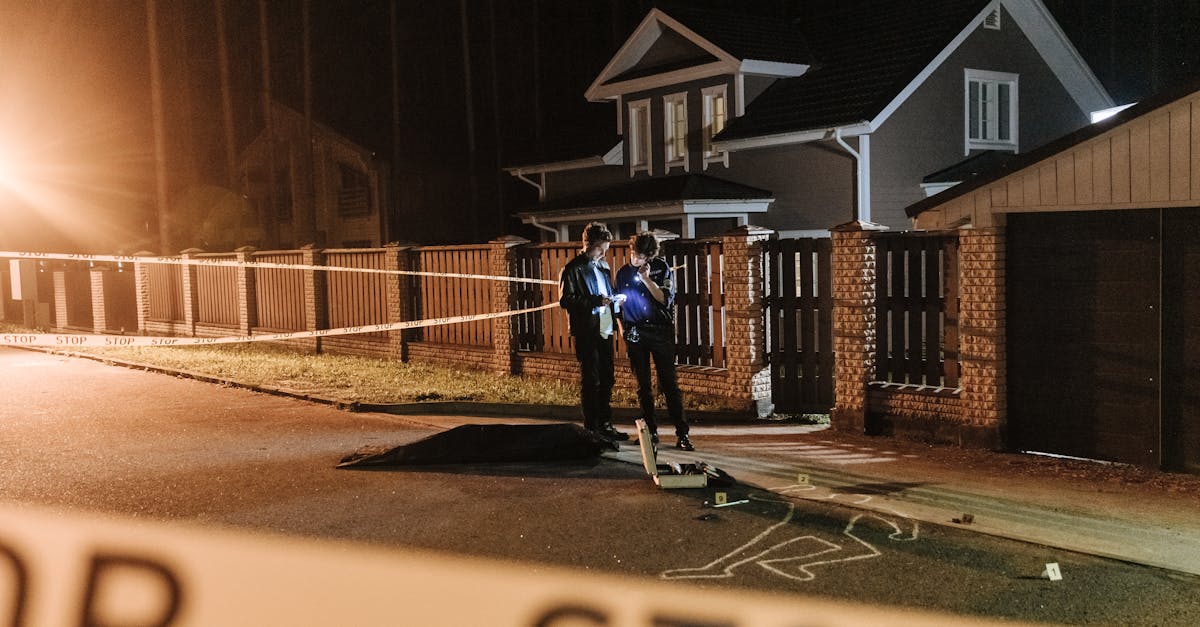
A gunman killed several people in a mass shooting in British Columbia this week, sparking fresh questions about Canada's rules on gun ownership. The attack happened in a rural area, leaving families grieving and communities on edge. It came just days before the federal government opened a program to buy back assault-style firearms from owners across the country. Officials say the timing highlights the need to get these weapons out of circulation.
Background
Canada has long regulated guns through federal laws like the Firearms Act. Anyone who wants to own a firearm needs a Possession and Acquisition Licence, or PAL, issued by the RCMP. This covers non-restricted guns used for hunting or sport. For handguns and some semi-automatic rifles, owners need a Restricted PAL, or RPAL, which requires extra steps like joining a gun club or proving a need.
Over the years, the rules have tightened. In May 2020, the government banned more than 2,500 makes and models of assault-style firearms. More prohibitions followed in December 2024 and March 2025. These steps came after mass shootings, including one in Nova Scotia in 2020 that killed 22 people. A commission report from that event pushed for stronger controls.
The latest moves build on Bill C-21, passed in 2023. It froze handgun sales and transfers nationwide. It also added penalties for smuggling and created 'red flag' laws to take guns from people at risk of harming others. Licence refusals are now mandatory for those convicted of violence against partners or family members since April 2025.
Hunting remains legal with over 19,000 approved firearm types. But prohibited guns, once legal, must now go. A business buyback from late 2024 to early 2025 collected over 12,000 firearms for destruction. Now it's individual owners' turn.
Key Details
The Assault-Style Firearms Compensation Program opened this week. Public Safety Minister Gary Anandasangaree announced it in Montréal on January 17, 2026, alongside Québec officials. All valid PAL holders got notices starting January 19. Owners can declare their guns online or by mail until March 31, 2026. Payments come on a first-come, first-served basis as funds allow.
Participation is voluntary for compensation, but owning prohibited guns isn't. An amnesty order runs until October 30, 2026. After that, holders face criminal charges, PAL loss, or both. Owners must dispose of, deactivate, or surrender the firearms.
The March 7, 2025, prohibition added unique makes and models to the banned list. Only Québec has committed police to help so far. Other provinces declined. The government is also hiring 1,000 more border officers and RCMP members to fight gun trafficking. A $1.3 billion border plan backs this up.
Licence Rules and Checks
New applicants face mandatory training. Background checks now look at a lifetime of history, not just five years. Businesses must record sales. Transporting restricted guns needs approval for places like gunsmiths or shows.
Licences can be suspended or revoked if someone poses a risk. Anyone can report concerns to a Chief Firearms Officer. In emergencies, call 911.
"Assault-style firearms do not belong in our communities. These types of firearms were designed as weapons of war. Prohibiting and removing them from our communities is an important part of our government's commitment to tackling gun violence and keeping Canadians safe."
— Gary Anandasangaree, Minister of Public Safety
What This Means
The British Columbia shooting adds pressure on these rules. It killed at least five people, with the gunman using a prohibited assault-style rifle. Police say he had a valid PAL before recent prohibitions. This case shows gaps in enforcement, as some owners keep banned guns during amnesty.
Gun owners now face choices. Declare for cash, or risk penalties. Early declarations speed up payments. But low turnout in the business program—less than 30 guns in some test runs—suggests resistance. Provinces' reluctance to provide police could slow collections.
Broader changes aim to cut violence. Handgun freeze blocks new buys. 'Red flag' laws target domestic risks. A review of all firearm classes starts soon, with input from Indigenous groups on items like the SKS rifle.
Communities watch closely. Rural areas, where hunting is common, worry about impacts. Urban spots push for faster action after shootings. The program tests if Canada can remove thousands of guns without backlash. Owners with legal hunting rifles keep them, but assault-style ones go.
Police urge compliance. 'Abiding by the law is not optional,' one RCMP officer said at a briefing. As amnesty nears its end, non-compliant owners could flood courts. The government plans more border checks and licence scrutiny to prevent future tragedies.
For now, the focus stays on the buyback. Declarations pour in, but full success depends on participation. The shooting reminds everyone: guns in wrong hands kill. Canada's path forward mixes compensation with strict rules.