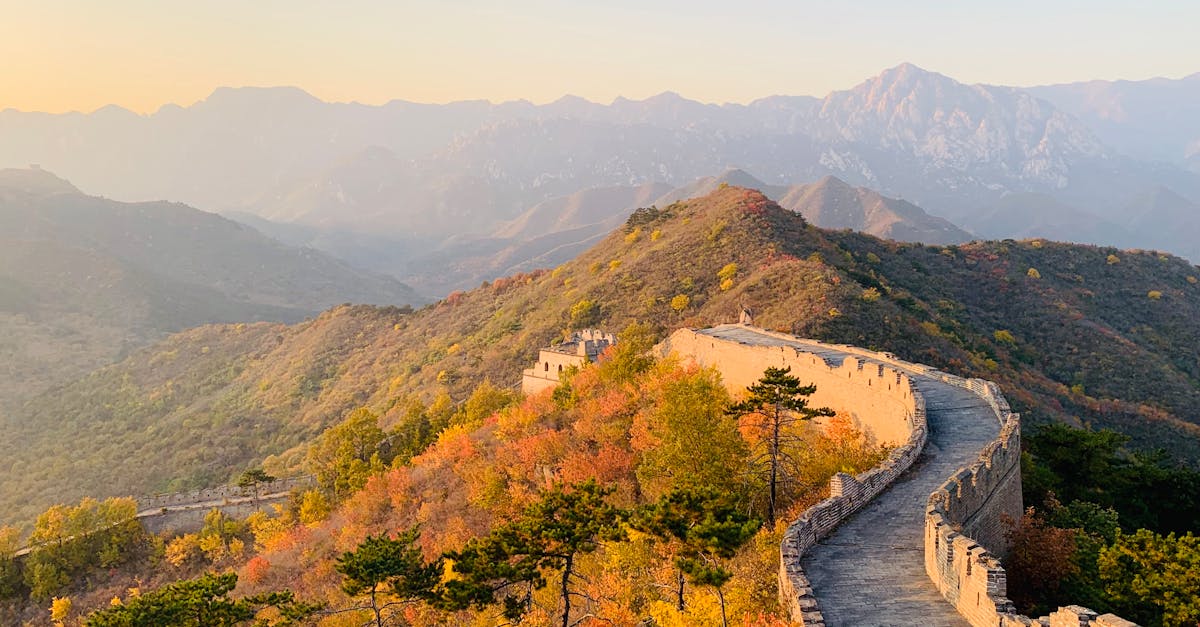
China's huge tree-planting project around the Taklamakan Desert, the country's largest, has changed the area so much that its edges now take in more carbon dioxide than they give out. This shift comes from the Great Green Wall, a 3,046-kilometer belt of trees and shrubs finished in 2024 after decades of work that started in 1978. The effort aims to stop the desert from growing into farms and cities while cutting sandstorms that reach as far as Beijing. New studies show the plants are working as a carbon sink, pulling CO2 from the air through photosynthesis.
Background
The Taklamakan Desert sits in northwest China, covering a huge area known for its dryness and shifting sands. For years, it has pushed outward, taking over farmland and causing problems for people living nearby. In 1978, China started the Three-North Shelterbelt Forest Program to fight this. The plan covers northern China and focuses on planting trees and shrubs around deserts like the Taklamakan and Gobi to hold back the sand.
Workers have planted more than 66 billion trees and shrubs across the region over the past 48 years. The Great Green Wall wraps around the Taklamakan's edges, forming a green barrier. This project is one part of a bigger push to green up dry lands. Mountains around the desert, like the Kunlun, Pamir, and Tian Shan, send water runoff during wet seasons from July to September. This water, about 16 millimeters per month on average, helps the new plants survive in soil that gets little rain otherwise.
Early on, some people doubted if trees could grow in such a dry place. The desert was called a biological void, with almost no plant life. But steady planting and natural water from the mountains have led to real change. Satellite data now shows more green cover and plant activity along the desert's rim, matching the timing of the planting efforts.
Key Details
Scientists looked at years of data from satellites like NASA's Orbiting Carbon Observatory and MODIS. These tools measure carbon dioxide levels and a glow from plants called solar-induced fluorescence, which shows photosynthesis at work. Around the Taklamakan's edges, CO2 in the air is 1 to 2 parts per million lower than before—a clear sign plants are soaking it up.
The study, led by researchers from the University of California, Riverside, found vegetation growing stronger since the planting began. Shrubs and trees on the rim have boosted greenness and cut CO2 release. Precipitation in the wet season helps, making plants grow and photosynthesize more. This has turned the desert margins into a carbon sink for the first time.
How the Plants Survive
The new greenery relies on runoff from melting mountain glaciers and summer rains. These provide just enough water for hardy shrubs, similar to those in dry parts of Southern California. The plants release moisture into the air through evapotranspiration, which can cool the area and bring more rain. Desert sand itself traps some CO2 through daily temperature changes, but plant growth does most of the work.
China finished the 3,046-kilometer wall in 2024, with billions of plants in place. The changes line up in time and place with the project, giving strong proof that human planting caused the shift.
"We found, for the first time, that human-led intervention can effectively enhance carbon sequestration in even the most extreme arid landscapes, demonstrating the potential to transform a desert into a carbon sink and halt desertification." – Study co-author
What This Means
This success shows dry lands can store carbon if given the right help, like steady water and tough plants. The Taklamakan's rim is now a model for other deserts facing spread and climate change. It proves afforestation—planting on bare land—can work even in tough spots, as long as projects last for decades with stable support.
Water is the main limit. The mountains provide runoff now, but faster glacier melt from warming could change that. Pushing greenery deeper into the desert would need new water sources, like desalination or old underground supplies, which are hard to find. Plants also darken the ground, absorbing more heat than the old bright sand, but the CO2 gains outweigh this for now.
The project helps local farms by blocking sand and cuts sandstorms. It also ties into China's goals to shrink its carbon footprint and steady western areas where deserts threaten food and homes. For the world, it adds to talks on nature-based fixes for climate, showing where tree planting pays off. Experts say this is just one piece—no one thinks desert trees alone fix global warming. But it gives data on how much CO2 dry lands can hold and under what setup.
Other places, like the Sahara's green plan, have faltered without long-term push. China's effort lasted because of steady government backing, both for green reasons and to calm tensions in minority areas. The carbon pull is small compared to forests, but steady and real from space views. It opens doors for similar work elsewhere, if water and commitment match up.