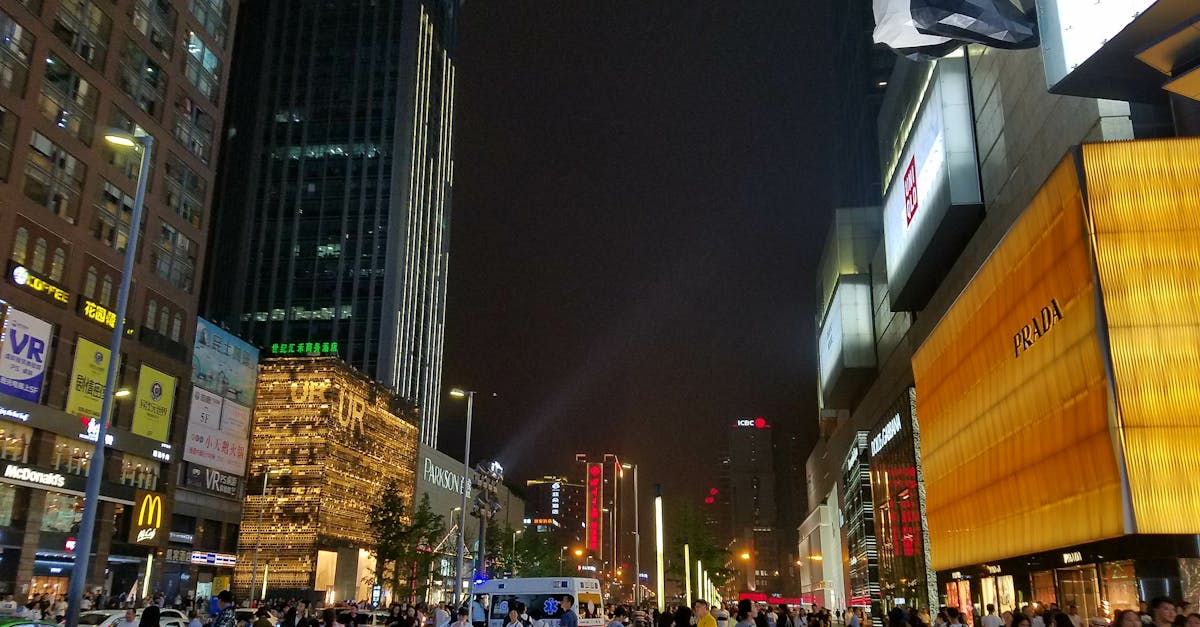
Shoppers in China are turning away from flashy displays of wealth, leaving brands like Chanel and Gucci facing slower sales. This shift started a few years back amid economic slowdowns and changing social views, pushing buyers toward simpler styles and local options. It points to a broader change in how people spend on high-end goods across the country.
Background
China's luxury market boomed for years, growing fast as more people joined the middle class. From 2016 to now, it has expanded five times over, outpacing places like Europe and the US. Cities like Beijing and Shanghai led the way, with stores packed and malls full of logo-heavy bags and watches. But starting around 2023, things slowed. Sales dropped sharply in 2024 by 17 to 19 percent, then shrank another 3 to 5 percent in 2025. Economic troubles, like a property slump and job worries, made people hold back on big buys.
Social changes played a role too. In tougher times, showing off expensive items draws side eyes. People call it 'luxury shame' – regular folks feel bad flaunting brands when others struggle. The old crowd of middle-class buyers, who drove much of the growth, is shrinking. Slower pay raises and higher costs mean they skip luxury or buy cheaper versions. Now, a smaller group of very rich buyers makes up more of the sales.
Tastes have changed as well. Flashy logos once ruled, but now buyers want quiet styles – plain, high-quality pieces without big names screaming out. This matches a push for real value, like good craft and history over hype. Younger people, especially Gen Z, lead this. They grew up with social media and want brands that feel personal and true.
Key Details
Sales picked up a bit in late 2025, with some brands reporting better numbers in China. The market hit a low point, and now it shows signs of steadying. Experts see modest growth ahead for 2026, maybe high single digits or low double digits. The total market could reach around 69 billion dollars this year, up from before.
One big change is where people shop. Top cities are full, so demand moves to smaller ones like Chengdu, Wuhan, Xi'an, Hangzhou, Changsha, and Zhengzhou. These places have growing middle classes, better roads and shops, and folks moving in from big cities for cheaper living. Young workers and families bring their money and habits, turning these spots into new hotspots for stores.
Buyers split spending between home and abroad. After borders reopened, many headed overseas for deals, especially in Japan with its weak yen. About 40 percent of luxury cash went out in 2024, but a weaker home currency is pulling some back. Secondhand sales jumped 15 to 20 percent, as people trade used items. Local sellers, or daigou, slowed as brands crack down.
Local brands gain ground. People like 'Guochao,' mixing Chinese roots with modern looks. Jewelry makers use old gold techniques in fresh designs, and shoppers grab them up. Experiences beat stuff too – trips, dinners, events over just bags.
Brand Responses
Global names cut prices to draw buyers back. They target young crowds with online hooks and city events. Affordable high-end lines do well, as do super-pricey ones for the top buyers. Ultra-rich segments hold steady, but the middle is key to watch.
"Younger clients now go for quiet luxury, picking subtle high-quality items over loud logos. This fits with a push for cultural roots and real craft." – Michael Antioco, professor at EDHEC
What This Means
For brands like Chanel and Gucci, the flashy model faces risks. They must adapt to quiet tastes, lower prices in spots, and open in new cities. Success comes from blending global pull with local feel – think heritage stories that click with Chinese pride. Smaller brands focused on value or experiences could grab more share.
The market split widens: elite buyers keep spending, middle pulls back, but lower cities offer fresh growth. Policy help, like boosts for home spending, could lift spirits. If travel rises without killing local sales, total cash might climb. Still, recovery stays shaky with economic clouds.
Gen Z shapes the future. With more buying power, they demand custom touches, online fun, and meaning. Brands ignoring this risk losing out. Domestic options rise too, as patriotism mixes with quality hunts. Gold buys spike, aging buyers seek power items, and quick buys fit busy lives.
Overall, China's luxury scene heads to steady growth in 2026, but only for those who shift fast. Stabilization beats past drops, yet no return to wild booms. Buyers stay picky, favoring real worth over show. This redraws the map for all players in the game.