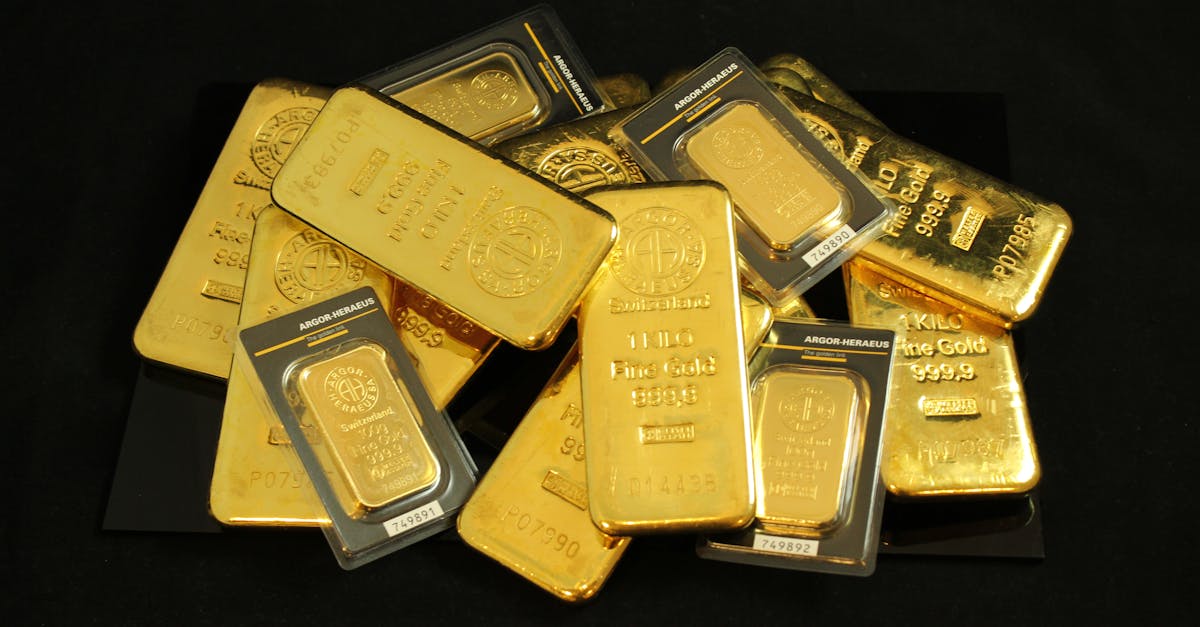
Gold prices have swung wildly in recent months, hitting a peak of $5,600 before dropping sharply to $4,423. Many point to speculative traders in China as the main force behind these sharp moves. These traders, both retail investors and those using futures contracts, bought heavily through late 2025 and early 2026, then faced heavy losses as prices reversed. This activity has affected markets far beyond China, from Shanghai to London.
Background
China has long been the world's top gold buyer, but the past year saw a big change in how people there buy it. Household gold demand stayed around 950 tonnes in 2025, but jewelry purchases fell 31.6% while sales of bars and coins for investment rose 35.1%. This shift started last spring and shows households moving away from wearing gold toward holding it as a store of value.
At the same time, trading on the Shanghai Futures Exchange exploded. The notional weight of gold traded there jumped 229.1% from 2022 to 2025. Daily volumes averaged 456 tonnes in January 2026, 72% above the five-year average. Chinese gold ETFs also saw huge inflows, with holdings jumping 38 tonnes to a record 286 tonnes by late January.
These trends built up over 2025 as global uncertainties grew. Central banks worldwide bought gold steadily, but China's mix of official buying and retail frenzy added extra pressure. Refineries worldwide rushed to expand capacity, facing delays in small gold bar deliveries and rising premiums for physical gold. Dealer stocks ran low, signaling demand outpacing supply.
China invested heavily in its gold trading setup. New storage facilities and platforms in Shanghai and Hong Kong aim to handle over 2,000 tonnes a year. This growth ties into broader efforts to build financial infrastructure less tied to the US dollar.
Key Details
The frenzy peaked in late January 2026. Gold hit $5,600, driven by Asian ETF inflows that were nearly three times North American levels in the final week. Chinese traders piled into futures and over-the-counter deals, often with low entry barriers and little oversight.
Then came the crash. Gold fell, silver plunged over 10% in a day, and new platinum contracts dropped nearly 8%. A 'long squeeze' hit speculators who bet on rising prices. Thousands stormed offices of platforms like JWR and Ydd007 in Shenzhen, demanding back up to $1.4 billion in losses. These firms started as gold traders but shifted to retail forward contracts mimicking futures.
Trading Scandals Emerge
JWR, once a raw gold supplier in Shenzhen's Shuibei district, expanded into retail pre-price trading. Forward contracts, common among wholesalers to lock prices, opened to small investors amid soaring gold values. A state-owned enterprise partnered with JWR, deepening the scandal. Regulators have cracked down before on unauthorized speculation, but activity persists in shadow markets.
Xia Yingying, head of precious metals research at Nanhua Futures, explained the silver drop:
"Today's round of declines in silver prices was accompanied by a rebound in the US Dollar, a simultaneous weakening of Bitcoin and US stocks, coupled with the fourth consecutive limit-down of the Guotou Silver LOF Fund. In this highly volatile environment, that 'long squeeze' further exacerbated the decline in silver prices."
China's only pure silver ETF fell 10% that day, down a third from its peak. Gold futures stayed active despite the pullback, with early February ETF outflows reversing as prices stabilized.
Retail demand for investment gold now runs 1.4 times jewelry levels, a stark change from past years. Total end-user demand held steady over the decade, but derivatives trading took off.
What This Means
These swings show China's growing sway over gold markets. Once led by Western traders, pricing now reacts more to Asian hours and sentiment. Shanghai's rising volumes challenge London dominance, with potential for Chinese views to set global benchmarks.
For investors worldwide, this means more volatility. Gold's role as a safe haven faces tests from rapid retail moves. Yet layers of demand—from central banks to households—may steady prices over time. Forecasts see gold reaching $5,000 to $6,400 by late 2026, supported by ongoing Chinese buying and global shifts.
China's actions signal bigger changes. Steady gold accumulation reduces dollar reliance in reserves, possibly encouraging other nations. Emerging markets may follow, reshaping monetary systems. Gold trading infrastructure grows with new ETFs, retail networks, and advisor pushes, pointing to lasting demand.
Supply strains persist, with refineries expanding and inventories tight. If speculation calms, structural buying could keep prices elevated. Markets adjust to this new reality, where Chinese traders help set the pace. Global players watch closely as Beijing balances growth with oversight on risky trades.