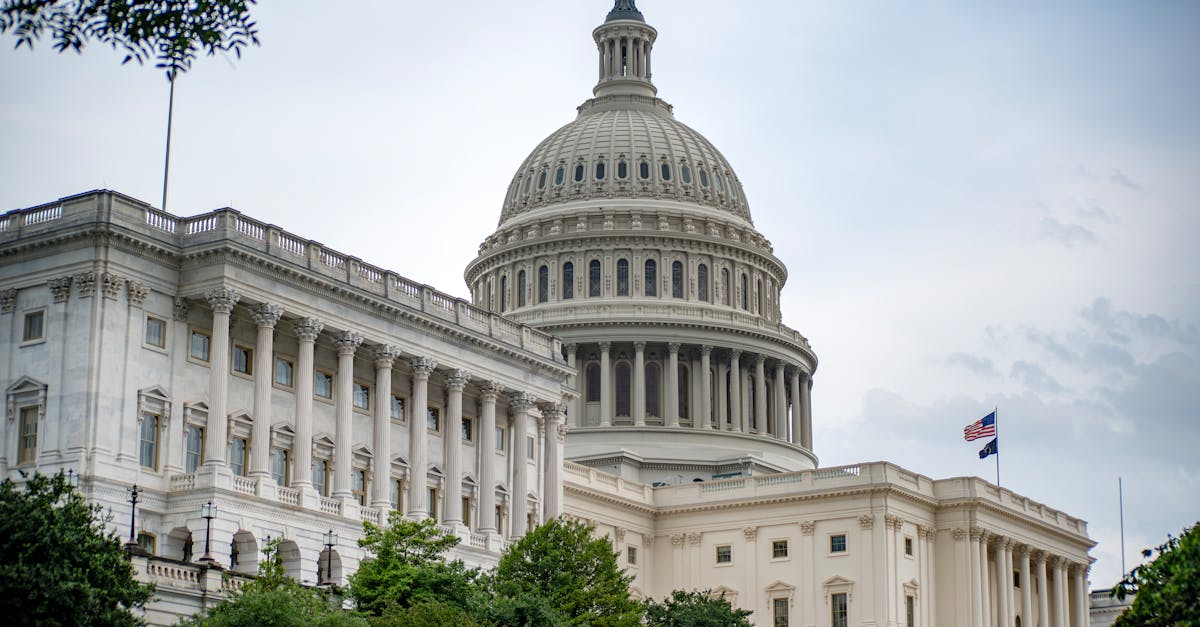
Lawmakers in Washington returned to work this week with just days left to avoid a shutdown of the Department of Homeland Security. The funding runs out on Friday night, February 13, unless Republicans and Democrats agree on a bill. The main holdup is over how to handle immigration enforcement by agencies like ICE and Customs and Border Protection.
Background
This is not the first time DHS funding has caused trouble this year. Back in late January, a partial government shutdown hit from January 31 to February 3. That one lasted four days because of the same immigration disputes. Congress then passed a short-term fix. It funded most federal agencies through September 30, 2026, but gave DHS only two more weeks.
President Trump signed that bill into law. The move bought time for talks on limits to immigration operations. But little has changed since. Republicans want to keep strong enforcement, while Democrats push for rules to protect people's rights during arrests and raids. The recent killing of Alex Pretti in Minneapolis has added heat to the debate. It made some Republicans open to small changes at first, but they now call Democratic ideas too extreme.
House committees have called in DHS leaders from the Coast Guard, Secret Service, TSA, FEMA, and the Cybersecurity agency for a hearing on Wednesday. The goal is to show Democrats what a shutdown would mean for frontline work. Senators left town last week more divided than before. Democrats put out new demands, like requiring court warrants to enter homes and banning masks for federal agents during operations.
Key Details
Talks have gone on in the Senate Appropriations Committee. Senate Minority Leader Chuck Schumer said Chair Susan Collins and Vice Chair Patty Murray are meeting often. But no one agrees on who should lead the big negotiations. Republicans say the White House should handle it with Democrats. Senator Katie Britt is speaking for Senate Republicans in some talks. Schumer told reporters Republicans need to pick one person to deal with.
Democrats sent draft bill text to Republicans on Sunday. It includes the guardrails they want, like warrant rules and no masks. Republicans have rejected these as non-starters. They see them as ways to weaken law enforcement.
Senator Roger Marshall, a Republican from Kansas, made his view clear on Fox News last Friday.
"Republicans need to stay strong here, that we’re the party of law and order. The Democrats are the party of ‘defund the police’ and this is their next effort." – Sen. Roger Marshall (R-Kan.)
Senator Chris Murphy, the top Democrat on the Homeland Security appropriations panel, called the ideas reasonable.
"We did not ask for the moon. Are there different ways to get there? Of course, but I don’t think we’re going to settle for anything that’s window dressing." – Sen. Chris Murphy (D-Conn.)
Shutdown Timeline
Funding ends at midnight on Friday. If no deal comes, DHS shutdown rules kick in on Saturday, February 14. Not all work stops. USCIS, which handles immigration applications, keeps going because it runs on fees. E-Verify might continue too, like it did in a past shutdown. SAVE, the database for checking immigration status, should stay online. But ICE and CBP could face cuts without new money from last year's big funding bill.
The House and Senate plan a recess next week after Valentine's Day and Presidents' Day on February 16. House leaders won't cancel it unless Senate talks show real progress. Analysts say a short-term funding patch, or continuing resolution, is the most likely outcome if anything passes. A full-year bill looks out of reach.
Senator John Fetterman, a Democrat from Pennsylvania, expects no deal this week. He told Fox News his party's 10-point plan did not win over Republicans. Senate Majority Leader John Thune said talks will go through the weekend. Without progress, they might pass a full-year stopgap later.
What This Means
A DHS shutdown would hit agencies that protect borders, airports, cybersecurity, and disaster response. TSA lines could slow. Secret Service work might shift. FEMA readiness for storms or other events could suffer. Coast Guard patrols would drop. Paid workers would stop getting checks, though essential staff stay on duty without pay.
Immigration enforcement would not halt completely. ICE and CBP have money from prior bills. But long-term uncertainty could slow operations. Businesses using E-Verify for hiring might worry if access changes. States checking driver's license applicants via SAVE could face delays.
This fight plays out ahead of President Trump's State of the Union address on February 24. It tests how the new Congress handles must-pass bills. Republicans hold the Senate majority but need some Democratic votes. Democrats use their use to push reforms after years of tough enforcement policies.
The public impact stays limited compared to full shutdowns. Over 95 percent of the government has funding through September. Still, repeated short shutdowns wear on workers and trust in Washington. Lawmakers know the politics are bad for Democrats, as shutting down homeland security looks weak on safety. Republicans bet on that to hold firm.
Pressure builds as the deadline nears. Hearings this week aim to move talks. But with recess looming, another patch seems the path forward. The core divide over immigration rules remains. Enforcement priorities clash with oversight demands. Until both sides bend, DHS hangs in limbo.