

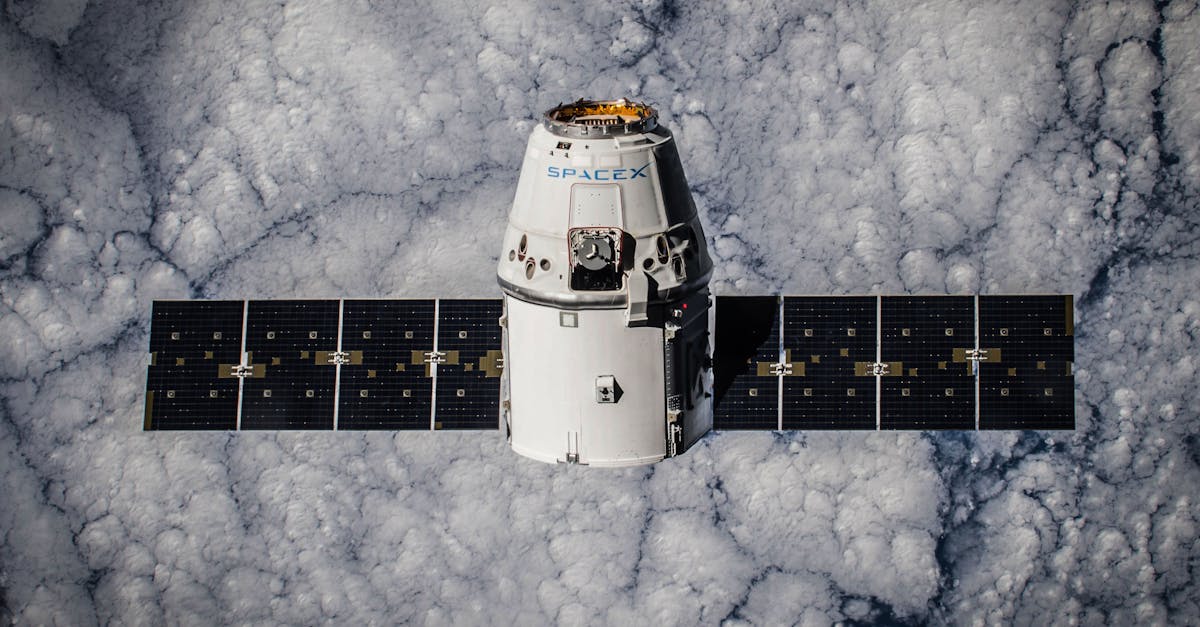
Four astronauts from NASA's Crew-11 mission splashed down safely off the coast of San Diego in the early hours of Thursday, ending their time on the International Space Station about a month ahead of schedule. The return came after a medical issue with one crew member prompted NASA to bring the team home for further care.
Background
The Crew-11 mission launched on August 1, 2025, from Florida aboard the SpaceX Crew Dragon spacecraft named Endeavour. The team was set to spend eight months on the ISS, conducting experiments, maintenance, and science work. This included studies on how the human body adapts to long stays in space, plant growth in microgravity, and new ways to make materials stronger.
Zena Cardman served as commander. She is a NASA astronaut with a background in geology and microbiology. Mike Fincke was the pilot. He has flown to space multiple times before and knows the station well from past visits. Kimiya Yui came from Japan's space agency, JAXA. She brought skills in robotics and engineering. Oleg Platonov represented Russia's Roscosmos. He focused on physics experiments during the stay.
Life on the ISS followed a strict daily routine. The crew woke up around 2 a.m. Houston time to match ground teams. They exercised for two hours each day to fight muscle loss from zero gravity. Meals came from pre-packaged food, with fresh items sent on cargo ships when possible. They worked in shifts, fixing equipment, running tests, and talking to students back on Earth.
The station itself orbits about 250 miles above Earth, circling the planet every 90 minutes. It hosts crews from NASA, Roscosmos, JAXA, the European Space Agency, and Canada. Crew-11 joined Expedition 73, which had been there longer. Together, they kept the lab running smooth, from air filters to water recyclers.
Key Details
The medical issue came up around January 8, 2026. NASA said one crew member had a health concern that needed checking on Earth. The person stayed stable, and the problem had nothing to do with spacewalks or the station's environment. Out of respect for privacy, no more details came out.
NASA Administrator Jared Isaacman spoke at a news event in Washington. He called it a serious concern but stressed the crew was safe. The agency decided on an early return to get proper medical help.
"Everyone on board is stable, safe, and well cared for." – Mike Fincke, Crew-11 pilot
Teams moved fast. On January 12, the crew packed clothes, tools, and experiment samples into Endeavour. They practiced undocking steps and reentry plans. NASA and SpaceX checked weather in the Pacific. Conditions looked good, with calm seas off San Diego.
Return Timeline
Hatch closure happened at 3:29 p.m. EST on Wednesday, January 14. The crew said goodbyes to the station team. Undocking followed at 5:20 p.m. EST from the Harmony module. Endeavour drifted away slowly, using small thrusters.
The trip home took about 10.5 hours. A deorbit burn started at 2:51 a.m. EST on Thursday, slowing the craft to drop into the atmosphere. Heat shields took temperatures up to 3,000 degrees. Parachutes opened near the end, and the capsule hit the water at 3:41 a.m. EST, or 12:41 a.m. local time. Recovery ships from SpaceX pulled the astronauts out in the dark. Medical teams checked them right away.
Mike Fincke handed ISS command to Sergey Kud-Sverchkov on January 12 in a short ceremony. Kud-Sverchkov stays with Sergey Mikayev and Chris Williams until Crew-12 arrives.
What This Means
Crew-11's five-month stay means some experiments stopped early. Samples came home for lab study. Data from sensors and cameras will help scientists understand the health issue without full details.
NASA now adjusts plans for Crew-12. That team—Jessica Meir, Jack Hathaway from NASA, Sophie Adenot from ESA, and Andrey Fedyaev from Roscosmos—was set for February 15 launch. Talks aim to move it up to match the gap on station. This keeps seven people up there for handovers and work.
The change bumps close to Artemis 2, NASA's first crewed moon flight since 1972. Orion aims for February 6 liftoff. NASA says no big conflicts, but dates will firm up soon.
This marks the first U.S.-led mission cut short by a medical problem. Past issues in space included broken bones, infections, and heart events. Crews handled them with onboard doctors and links to ground experts. Better screens before launch and telehealth help now.
Former astronauts shared thoughts. Peggy Whitson, who holds the U.S. time-in-space record, said quick decisions like this show the program's strength. She noted medical evacuations build knowledge for longer trips, like to Mars.
SpaceX recovery teams boat the capsule to San Diego for checks. Astronauts fly back to Houston for rest and exams. NASA holds a news conference at 5:45 a.m. EST to share more.
The ISS keeps going. Current crew runs daily tasks. Cargo Dragon brings supplies soon. Private missions add visitors. All this keeps research flowing on bones, fluids, and fires in space.
Crew-11's return highlights risks of space life. Bodies change without gravity—hearts shrink, eyes shift, sleep gets hard. Ground doctors watch via video and tests. This event tests those systems.
Future missions learn from it. NASA looks at health checks and backup plans. SpaceX refits Endeavour for next flights. International partners stay in touch for smooth ops.