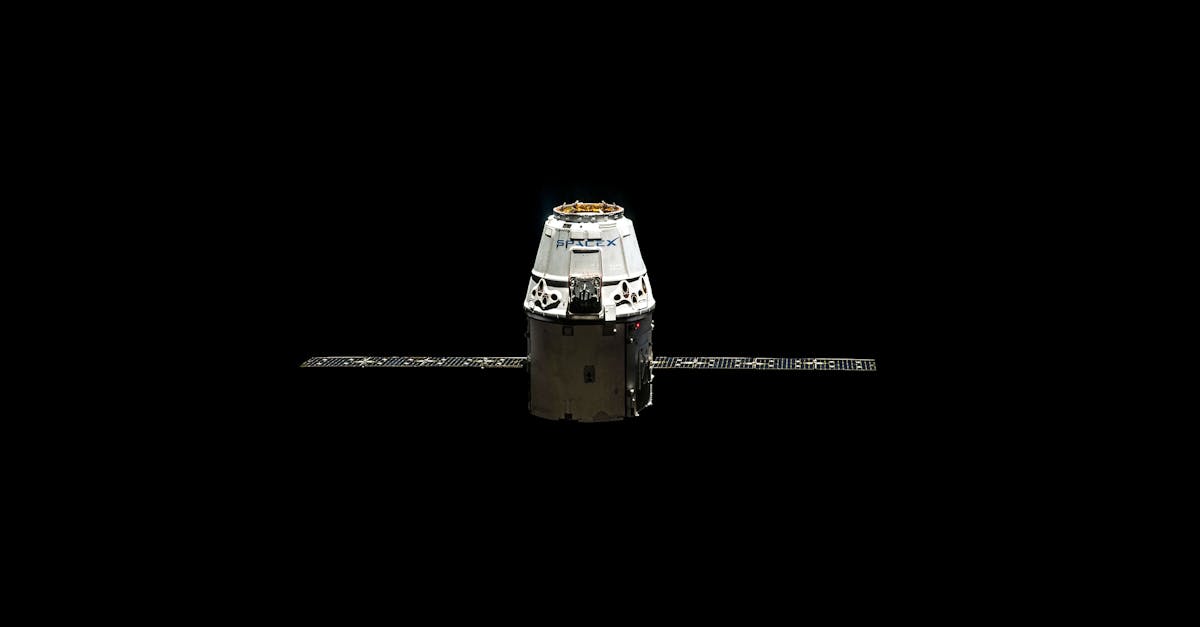
Four astronauts are heading home from the International Space Station after NASA made the unprecedented decision to cut their mission short due to a medical concern with one crew member. The early departure marks the first time in history that a health issue has prompted the early end of an ISS mission, underscoring how seriously space agencies treat medical problems in the isolated environment of orbit.
The Crew-11 astronauts—NASA's Zena Cardman and Mike Fincke, Japan's Kimiya Yui, and Russian cosmonaut Oleg Platonov—undocked from the space station on Wednesday, January 14, and splashed down off the California coast early Thursday morning. They were originally scheduled to spend six months aboard the station and return in late February.
Background
Crew-11 launched to the International Space Station on August 1, 2025, from NASA's Kennedy Space Center. The four-person team arrived at the orbiting laboratory the following day and settled into their planned six-month stay. They were supposed to remain on the station until the arrival of Crew-12, which was scheduled for mid-February.
But that timeline changed dramatically last week when NASA discovered a serious medical issue affecting one of the crew members. The problem came to light as the team was preparing for a spacewalk scheduled for January 8. The medical concern was significant enough that NASA postponed not just that spacewalk, but a second one as well, and ultimately decided to bring the entire crew home early.
NASA has not disclosed which crew member was affected or the specific nature of the medical issue. However, officials have stated that the affected astronaut has been in stable condition since the problem was first identified about a week before the decision to return home was made.
"The crew member affected a week ago is in stable condition, has been ever since. And the crew in fact reported earlier today that they're all in good spirits."
Key Details
The Crew Dragon capsule named Endeavour undocked from the space station at 5:20 p.m. Eastern time on Wednesday. The spacecraft then began an approximately 11-hour journey back to Earth, with splashdown occurring at 3:41 a.m. Eastern time Thursday morning in the Pacific Ocean off California's coast.
The early departure left behind a skeleton crew of just three people to maintain the space station. NASA astronaut Chris Williams and Russian cosmonauts Sergey Kud-Sverchkov and Sergei Mikayev remained aboard. Before departing, Mike Fincke, the Crew-11 commander, transferred command of the station to Kud-Sverchkov during a brief ceremony on Monday.
Why This Matters
This medical evacuation represents uncharted territory for human spaceflight. While astronauts and cosmonauts have faced health challenges in space before, this marks the first time that a medical issue has caused NASA to end a mission early and return a crew to Earth ahead of schedule. The decision demonstrates how space agencies prioritize crew safety even when it means cutting short a planned mission and reducing the number of people aboard the space station.
The early return also means that the International Space Station will operate with a reduced crew for several weeks. Crew-12 is not scheduled to launch before February 15, leaving a gap of more than a month during which only three people will be responsible for maintaining and operating the massive orbital facility.
What This Means
The Crew-11 medical evacuation highlights the unique challenges of space medicine. The International Space Station orbits Earth at an altitude of about 250 miles, making immediate evacuation impossible until a spacecraft is ready and conditions are right for departure. Unlike situations on Earth where a patient can be rushed to a hospital within hours, space station crew members must often wait for the next available transportation home.
The incident also raises questions about how space agencies screen and monitor astronaut health. NASA and its international partners conduct extensive medical evaluations before missions, but the fact that a serious medical issue developed after launch shows that some health problems cannot be predicted or prevented through pre-flight screening alone.
For the three crew members remaining on the station, life continues with expanded responsibilities. They will need to maintain critical systems, conduct research, and manage daily operations until Crew-12 arrives to restore the station to full staffing levels. This kind of reduced-crew operation is not ideal but is manageable for periods of several weeks.
The decision to bring Crew-11 home early also reflects how space agencies have evolved in their approach to crew safety. In earlier decades of spaceflight, missions proceeded according to schedule regardless of minor health issues. Today, space agencies prioritize the wellbeing of their astronauts and cosmonauts, even when doing so disrupts carefully planned missions and orbital operations.