A speedboat registered in Florida carrying ten armed men entered Cuban territorial waters early Wednesday morning, setting off a chain of events that ended in gunfire, four deaths, and an international incident that's still unfolding. The deadly speedboat shooting has left authorities scrambling to piece together who these men were, where they came from, and what they were trying to accomplish.
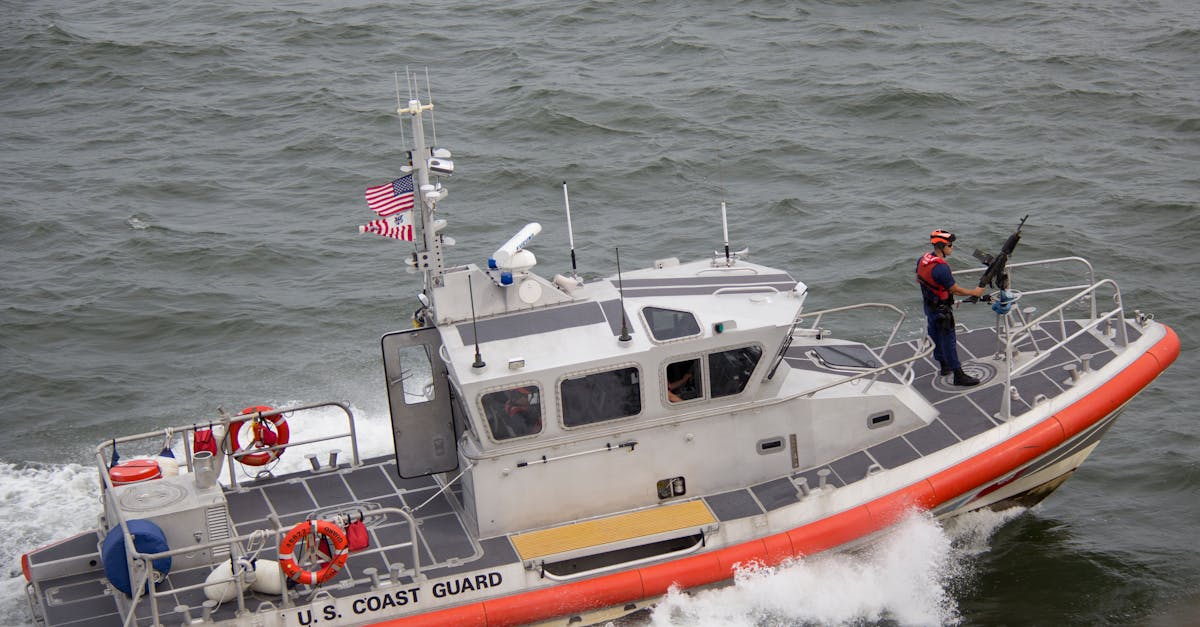
The encounter happened around dawn on February 25 off the northern coast of Cuba, near Cayo Falcones in Villa Clara Province. Cuban border guards spotted the 24-foot Proline motorboat about a nautical mile from the El Pino channel and moved to identify the vessel and its occupants. What happened next—according to Cuban authorities—was an exchange of gunfire that left four men dead, six wounded, and a Cuban commander injured.
Key Takeaways
- A stolen speedboat with ten armed men entered Cuban waters, and Cuban forces say the occupants opened fire first
- Four men were killed and six wounded in the gunfight; at least one of the dead was a U.S. citizen
- Cuban officials seized assault rifles, handguns, Molotov cocktails, and military gear, claiming the group intended to carry out terrorism
- The White House confirmed U.S. citizens and legal residents were involved but denied any government involvement in the operation
Background
The incident didn't happen in a vacuum. For years, Cuba has dealt with armed incursions from anti-Castro groups based in the United States. In 2022, Cuban forces intercepted multiple speedboats allegedly involved in smuggling operations or armed infiltration attempts. One incident that year involved a crew member on a U.S. speedboat opening fire on Cuban border guards with an automatic rifle, wounding an officer. Another speedboat came under fire from Cuban authorities, and one person aboard was killed.
These types of incidents reflect the deep tensions between Cuba and elements of the Cuban exile community in the United States. Anti-Castro groups have long sought to destabilize the island nation, and the U.S. government has historically turned a blind eye to some of these activities—though officially, Washington doesn't support them.
The 24-foot motorboat involved in this week's shooting was stolen. A sheriff's report obtained by CBS News shows the vessel was reported stolen on the day of the incident. The boat's owner told law enforcement he knew one of the men aboard, who he believed took the boat without permission.
Key Details
What Happened on the Water
Cuban authorities say that when their patrol vessel—crewed by five border guards—approached the speedboat for identification, the men aboard opened fire first. One shot wounded the commanding officer of the Cuban patrol boat. Cuban forces returned fire, killing four of the ten men and wounding six others.
Cuban officials reported finding a significant cache of weapons and gear aboard the vessel: assault rifles, handguns, Molotov cocktails, bulletproof vests, telescopes, and camouflage uniforms. The presence of these items, along with the armed response to the Cuban patrol, led Cuban authorities to conclude the group was attempting an armed infiltration with terrorist intent.
The six wounded men were taken into custody and transported to a Cuban hospital for medical treatment. Cuban state media reported that preliminary statements from the detainees indicated they intended to enter Cuba "for terrorist purposes."
Who Were These Men?
Cuban authorities identified the ten men as Cuban nationals living in the United States. Seven names were released: Amijail Sánchez González, Leordan Enrique Cruz Gómez, Conrado Galindo Sariol, José Manuel Rodríguez Castelló, Cristian Ernesto Acosta Guevara, Roberto Azcorra Consuegra, and Duniel Hernández Santos. The Interior Ministry claimed they had "a known history of criminal and violent activity."
Among the four killed was Michel Ortega Casanova, who relatives confirmed was a U.S. citizen. The White House later confirmed that American citizens and legal residents were aboard the vessel.
Cuban authorities also arrested an eighth suspect on land: Duniel Hernández Santos, whom they said was "sent from the United States to guarantee the reception of the armed infiltration" and who "confessed to his actions."
The U.S. Response
When news of the shooting broke, U.S. officials moved quickly to distance the government from any involvement. Secretary of State Marco Rubio, who was on a diplomatic trip to the Caribbean when the incident occurred, told reporters that the U.S. is investigating with limited information.
"The majority of the facts being publicly reported are those by the information provided by the Cubans. We will verify that independently as we gather more information, and we'll be prepared to respond accordingly," Rubio said.
Rubio emphasized that U.S. government personnel were not involved and that this wasn't an American government operation. He also noted that he was aware of the shooting before it was publicly announced by Cuban authorities, and that the U.S. maintains "constant contact" with Cuba at the Coast Guard level.
Vice President J.D. Vance told reporters he'd been briefed on the incident and that the White House is monitoring the situation closely.
What This Means
The deadly speedboat shooting raises uncomfortable questions about what's happening in the shadows between the United States and Cuba. While the U.S. government officially denies involvement, American citizens and legal residents were aboard a stolen boat carrying weapons and explosives suggests there are organized groups operating with some level of coordination and resources.
The incident also highlights the fragility of U.S.-Cuba relations. Despite some diplomatic thawing in recent years, the fundamental hostility between Washington and Havana remains. armed groups can still operate with apparent impunity—stealing boats, acquiring weapons, and attempting infiltration—suggests that either law enforcement isn't prioritizing these activities or that the groups have support networks that help them operate.
Cuban authorities will likely use this incident to justify tighter security measures and to paint the United States as complicit in anti-government activities. The U.S., meanwhile, will need to investigate whether any Americans were knowingly involved in organizing or funding the operation. If they were, it could trigger criminal charges and further diplomatic fallout.
The men detained in Cuba face an uncertain future. They're in the custody of a government that has little sympathy for armed infiltrators, and the international legal framework for their situation is murky at best. The U.S. will want access to any American citizens held by Cuban authorities, but Cuba may use them as use in broader negotiations.
Frequently Asked Questions
Q: Was the U.S. government involved in planning or funding the speedboat operation?
A: U.S. officials have denied any government involvement. Secretary of State Marco Rubio explicitly stated that "U.S. government personnel were not involved" and that "the incident was not an American government operation." However, the U.S. is conducting federal and state investigations to determine what happened and who was behind the operation.
Q: What happens to the men detained in Cuba?
A: The six wounded men who were detained are currently in Cuban custody. Cuban authorities claim they have "a known history of criminal and violent activity" and are investigating them for terrorist intent. The U.S. has indicated it wants access to any American citizens held by Cuba, but it's unclear whether Cuba will grant that access.
Q: Has anything like this happened before?
A: Yes. In 2022, Cuba intercepted multiple U.S. speedboats involved in alleged smuggling and armed infiltration attempts. In one incident, a crew member on a U.S. speedboat opened fire on Cuban border guards with an automatic rifle, wounding an officer. These incidents reflect ongoing tensions between Cuba and anti-Castro groups based in the United States.
Frequently Asked Questions
Was the U.S. government involved in planning or funding the speedboat operation?
U.S. officials have denied any government involvement. Secretary of State Marco Rubio explicitly stated that U.S. government personnel were not involved and that the incident was not an American government operation. However, the U.S. is conducting federal and state investigations to determine what happened and who was behind the operation.
What happens to the men detained in Cuba?
The six wounded men who were detained are currently in Cuban custody. Cuban authorities claim they have a known history of criminal and violent activity and are investigating them for terrorist intent. The U.S. has indicated it wants access to any American citizens held by Cuba, but it’s unclear whether Cuba will grant that access.
Has anything like this happened before?
Yes. In 2022, Cuba intercepted multiple U.S. speedboats involved in alleged smuggling and armed infiltration attempts. In one incident, a crew member on a U.S. speedboat opened fire on Cuban border guards with an automatic rifle, wounding an officer. These incidents reflect ongoing tensions between Cuba and anti-Castro groups based in the United States.