
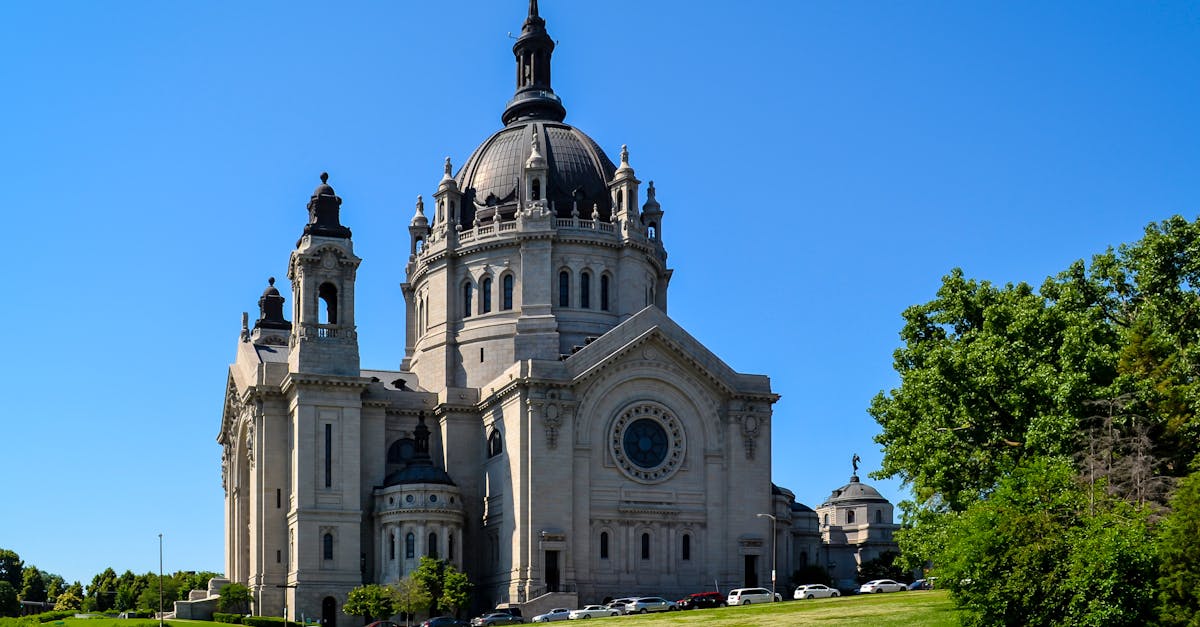
Don Lemon, the former CNN host turned independent journalist, pleaded not guilty on Friday to federal charges tied to a protest that interrupted a church service in St. Paul, Minnesota. The incident happened on January 18, 2026, when Lemon and others entered Cities Church to confront Pastor David Easterwood, who also works as the acting field office director for Immigration and Customs Enforcement, or ICE, in the area. Nine people now face charges of conspiracy against religious freedom and interfering with worshipers' rights under the Freedom of Access to Clinic Entrances Act, or FACE Act.
Background
The protest stemmed from anger over ICE raids in Minnesota communities. Local activists and journalists gathered at Cities Church after learning that Pastor David Easterwood held a key role in ICE operations. Demonstrators saw his position as a conflict with the church's message of compassion. On that Sunday morning, a group of about a dozen people walked into the service during worship. They chanted slogans against immigration enforcement and called out Easterwood directly. Videos from the scene show people standing in the aisles, some holding signs, while churchgoers sat in pews. Tensions rose as protesters spoke loudly and moved closer to the front. Worshipers reacted with unease; some stood up, others prayed quietly. The service paused for about 20 minutes before police arrived and cleared the building. No one was hurt, but the disruption ended the planned worship.
Lemon arrived as a journalist covering the event. He spoke with protesters, church members, and Easterwood on camera. Independent reporter Georgia Fort did the same. Federal authorities later charged both, along with activists like Chauntyll Allen and Nekima Levy Armstrong. The group totals nine defendants. This case marks the first known criminal use of the FACE Act's religious freedom provision since the law passed in 1994. That part of the act protects places of worship from interference, much like it shields clinics providing abortions. Prosecutors argue the protesters' actions injured worshipers' rights by intimidation and force.
Before charges, a federal magistrate judge in Minnesota refused to approve arrest warrants. Judge John Micko reviewed the evidence and declined. The Justice Department then pushed an emergency appeal to the 8th Circuit Court. Chief Judge Michael Schiltz stepped in, calling the request unusual. He noted no violence occurred and pointed out that Lemon and Fort acted as reporters, not protesters. The appeals court denied the DOJ's bid, with two judges ruling against it and one concurring that while probable cause existed, arrests were not urgent. A grand jury indicted the group anyway on January 24. Arraignments began this week, with Lemon's on Friday afternoon.
Key Details
Lemon hired a strong legal team to fight the charges. Court papers show he brought on Joe Thompson, a former acting U.S. Attorney for Minnesota. Thompson resigned recently after 17 years in the office, amid questions over a separate investigation into a fatal shooting by federal agents. He now works alongside lead attorney Abbe Lowell, who has defended high-profile clients before. Thompson knows the prosecutors well, having led major fraud cases like the Feeding Our Future probe. Lemon faces up to one year in prison as a first-time offender if convicted.
Charges and Court Timeline
Each defendant faces two counts: conspiracy against religious freedom at a worship place and injuring or intimidating people exercising that freedom. The indictment describes the group entering the church, yelling at members, and blocking the service. Prosecutors say this violated federal law. Lemon entered his not guilty plea in a St. Paul courtroom packed with supporters and media. Other arraignments continue, with Fort and one more set for next week. Levy Armstrong, an ordained reverend and activist, spoke before her hearing.
"The reality is, as a Christian who is also an ordained reverend, in my tradition, it is important to speak up when you see injustice," she said.
Her words reflect the protesters' view that faith calls for action against policies they see as harmful.
Legal experts question the charges' strength. Some former DOJ lawyers say applying the FACE Act here stretches the law too far. They note it targets physical blockades, not speech or presence. Judge Schiltz echoed this, saying the worst alleged was yelling. No weapons or violence appeared in evidence. The case comes under the Trump administration's Justice Department, led by Attorney General Pam Bondi. Timing overlaps with other tensions, like a fatal shooting by agents and visits by Vice President JD Vance.
What This Means
This case tests limits on protests at religious sites linked to government work. If prosecutors win, it could set rules for future demonstrations against public officials in churches. Groups on both sides watch closely. Press advocates argue charging journalists chills reporting on protests. Lemon insists he only covered the event, asking questions and filming. A conviction might push media to stay back from tense scenes. For activists, it raises questions on confronting leaders in personal spaces like worship.
The rare FACE Act use on a church draws scrutiny. Past cases focused on clinics, not sermons. Success here might expand the law to cover more speech-based disruptions. Defense lawyers plan motions to dismiss, citing First Amendment protections. Hearings could come soon. Minnesota's immigrant communities feel the stakes high amid ICE actions. Church leaders worry about safety during services. Lemon's profile amplifies debate on journalism in polarized times. Trials might not start for months, giving time for appeals and public talk. Outcomes could shape how protests and reporting intersect with faith spaces nationwide.