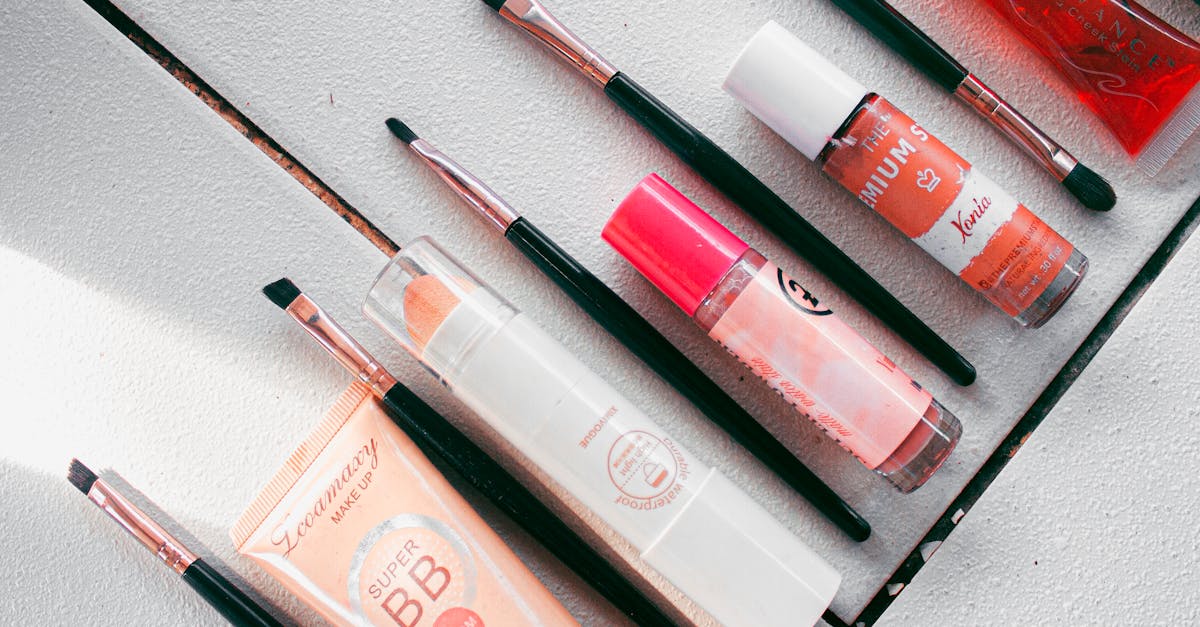
E.l.f. Beauty's stock has experienced a sharp rebound in early 2026, jumping 17% and outpacing the broader market as investors reassess the company's value following a difficult 2025. The stock surge comes despite ongoing challenges from tariffs and higher operating costs that have pressured the company's profit margins, signaling that many analysts believe the worst may be behind the budget cosmetics brand.
The company reported strong sales growth in its latest quarterly results, with revenue climbing 14% year-over-year to $343.9 million in the quarter ending September 30, 2025. This marks the company's 27th consecutive quarter of sales growth, a streak that shows its appeal in the competitive low-cost cosmetics market where it competes against giants like Procter & Gamble and Estée Lauder.
Background
E.l.f. Beauty built its business on a simple formula: high-quality makeup at prices that appeal to budget-conscious shoppers, particularly younger consumers. The brand has become a dominant force among teenagers and young adults, a demographic loyalty that analysts believe will strengthen as these consumers age and maintain their brand preferences.
The company's momentum extended beyond its core e.l.f. brand in 2025 when it acquired Rhode, a skincare and cosmetics line that gained popularity through social media and celebrity endorsements. The Rhode acquisition has proven to be a significant growth driver, with the brand making a strong debut at Sephora and expanding rapidly through e-commerce channels.
However, 2025 proved challenging for the company. E.l.f. Beauty's stock fell nearly 38% during the year as investors grew concerned about slowing organic sales growth, margin pressures from tariffs, and higher operating costs. The company faced shipment disruptions when retailers delayed adopting a price increase in August, and international growth moderated sharply, particularly in European markets.
Key Details
The Profit Picture
While sales grew, the company's overall profit plummeted 84% to $3 billion during the latest quarter, primarily driven by a 24% increase in selling, general, and administrative expenses. These costs reflect investments in team expansion, the transition to a new enterprise resource planning system, and infrastructure for international growth. Marketing spending also increased as the company shifted campaigns later than usual.
Tariffs imposed on imported goods have become a major headwind. The company's gross margin declined by 165 basis points due to tariff-related cost pressures, though it remained relatively strong at 69%. Management has signaled that should courts rule tariffs illegal and lift them, e.l.f. could be among the biggest beneficiaries.
Analyst Outlook
Despite near-term headwinds, Wall Street has remained largely optimistic. Seventeen analysts have assigned the stock a consensus "Buy" rating, with a median price target of $122.65, implying roughly 45% upside from current levels. Citi initiated coverage of e.l.f. Beauty with a "Buy" rating and a $110 price target, citing strong growth potential from both the core e.l.f. brand and the Rhode acquisition, with expectations for 16% annual sales growth over the next three years.
However, estimate revisions have turned negative. Over the past three months, analysts have made 15 downward revisions to earnings estimates and 12 downward revisions to revenue estimates, suggesting the market outlook has weakened. The stock's forward price-to-earnings ratio of 22.32 times remains above some competitors, though below the broader industry average of 29.23 times.
"Despite facing short-term headwinds, analysts believe e.l.f. Beauty's medium-term outlook remains strong, potentially providing investors with an opportunity to re-enter the market following the recent stock price decline."
Consumer Strength
One of the company's strongest assets remains its brand power with younger consumers. E.l.f. Beauty has exceeded earnings and revenue estimates 88% of the time, demonstrating strong profitability and market adaptability. The brand's leadership position among teenagers positions it well for long-term growth as these consumers transition to adulthood and maintain their loyalty.
The company has also been expanding internationally, pushing into new markets despite challenges from tariffs and inflation. Management believes its low-price strategy positions it well to attract budget-conscious consumers globally.
What This Means
E.l.f. Beauty's early 2026 stock rebound reflects investor confidence that the company's strong brand appeal and growth trajectory will eventually overcome near-term obstacles. The 17% surge at the start of the year, compared to the S&P 500's 2% rise, suggests investors view the stock as undervalued after its 2025 decline.
The company faces a critical period. Tariff relief could provide meaningful margin relief, while the Rhode acquisition offers a path to accelerate growth beyond the core e.l.f. brand. International expansion remains a long-term opportunity, though execution challenges persist.
For investors, the question is whether the company can stabilize margins while maintaining sales momentum. The stock's valuation suggests the market is pricing in a recovery, but ongoing pressure from tariffs and elevated operating costs means profitability improvements may take time to materialize. The company has indicated it is shifting focus from pure growth toward profitability in coming years, a transition that could attract longer-term investors if executed successfully.