
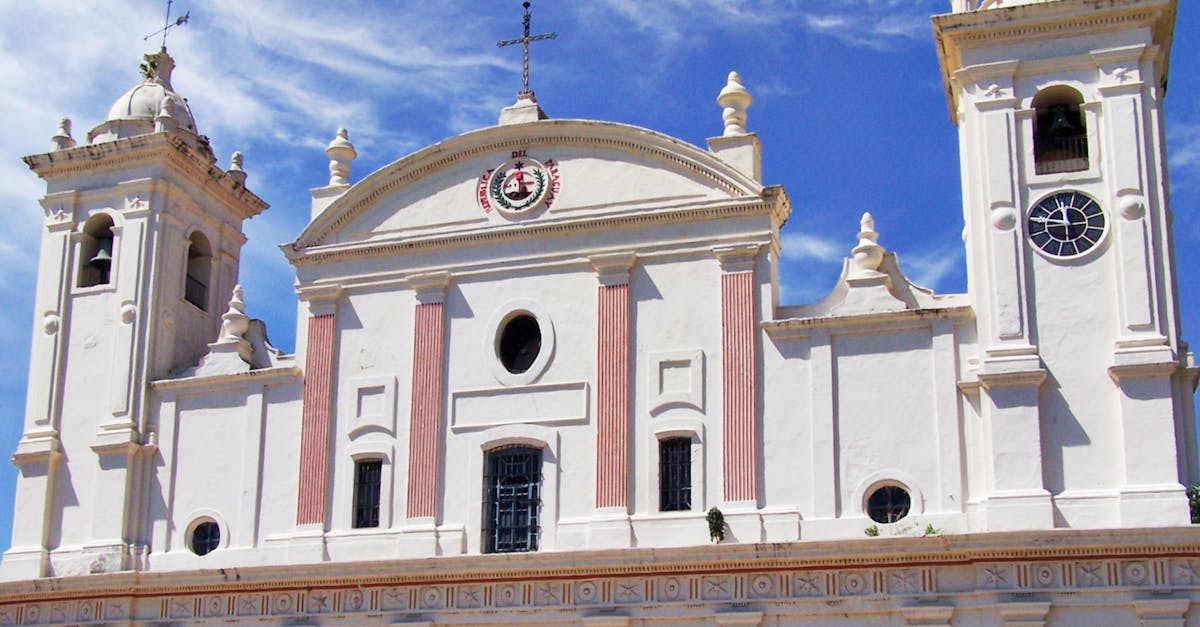
The European Union and Mercosur countries—Brazil, Argentina, Paraguay, Uruguay, and Bolivia—signed a major free trade agreement today in Asunción, Paraguay. This deal, worked out over 25 years, comes after EU member states approved it by qualified majority on January 9. France voted against it but could not stop the process. The signing marks a big step for trade between Europe and South America, with leaders from both sides attending the ceremony.
Background
Talks for this agreement started back in 1999, when EU leaders gave the European Commission a mandate to negotiate with Mercosur. For years, the two sides bargained over tariffs, farm products, and rules for business. In 2019, they reached a basic deal, but it sat unsigned because of worries from countries like France.
France pulled back support that year after fires in the Amazon raised questions about environmental standards in Brazil. President Emmanuel Macron called for changes to protect EU farmers and add green rules. Paris pushed for 'mirror clauses' that would make South American goods follow the same standards as EU ones. They also wanted stronger safeguards to block sudden floods of cheap imports like beef or sugar.
Over time, other issues slowed things down. Some EU nations hesitated on farm imports. Mercosur countries wanted better access for their beef and ethanol. Global events, like trade fights with the US and China, made the EU see this deal as a way to open new markets. By late 2025, talks picked up again. EU ambassadors met in Brussels on January 9 and gave the green light with enough votes, even though France said no.
European Commission President Ursula von der Leyen traveled to Paraguay for the signing. This pact covers 780 million people and could handle up to 45 billion euros in trade each year. It aims to cut most barriers between the regions.
Key Details
The agreement removes nearly all tariffs on goods moving between the EU and Mercosur. That means European cars, clothes, wines, and machinery can enter South America with lower costs. In return, South American beef, sugar, poultry, and ethanol get new quotas to enter Europe.
Beef and Farm Products
Beef stands out as a hot issue. Mercosur can send 99,000 metric tons of beef to the EU each year, on top of current levels. This quota grows over time. France and farm groups worry it will hurt local meat producers. Safeguard rules let the EU raise tariffs if imports jump too fast—say, by more than 8% over a three-year average or if prices drop sharply.
Europe gets protection for 344 food names, like roquefort cheese, champagne, and comte. These cannot be copied in Mercosur countries. The deal also covers services, investments, and some rules on buying government contracts.
"The outcome is not set in stone," said French Foreign Minister Jean-Noël Barrot in a radio interview this week.
He pointed out that more steps lie ahead, like votes in the European Parliament.
The full pact has two parts: the trade side, which the Commission handles, and a political side on rights and democracy, which needs all EU states to agree. Signing today covers the trade part.
What This Means
For businesses, this opens doors. EU exporters stand to gain from South America's big market, where tariffs now hit cars at 35% and wines at high rates. Mercosur farmers get steady access to Europe, their top beef buyer already. The deal could shift some trade away from tense spots like US-China relations.
Farmers in France and other EU spots see risks. They fear cheaper South American meat will cut prices and jobs. Groups in Paris have protested for years, saying the deal ignores climate rules. Brazil and Argentina promise to stick to Paris Agreement goals, but critics want binding checks.
Next, the agreement goes to the European Parliament for a vote. It might start under 'provisional application' before full approval, letting trade begin while lawmakers review it. A court challenge could slow things—some say the approval process skipped normal steps. France cannot block it alone, as trade policy belongs to the whole EU.
In Paraguay, leaders hailed the signing as historic. It creates the world's largest free trade zone by people. Over time, it may change shopping shelves in Europe with more beef from across the Atlantic. Companies in both regions now plan how to use the new rules. While France keeps pushing for fixes, the deal moves forward today.