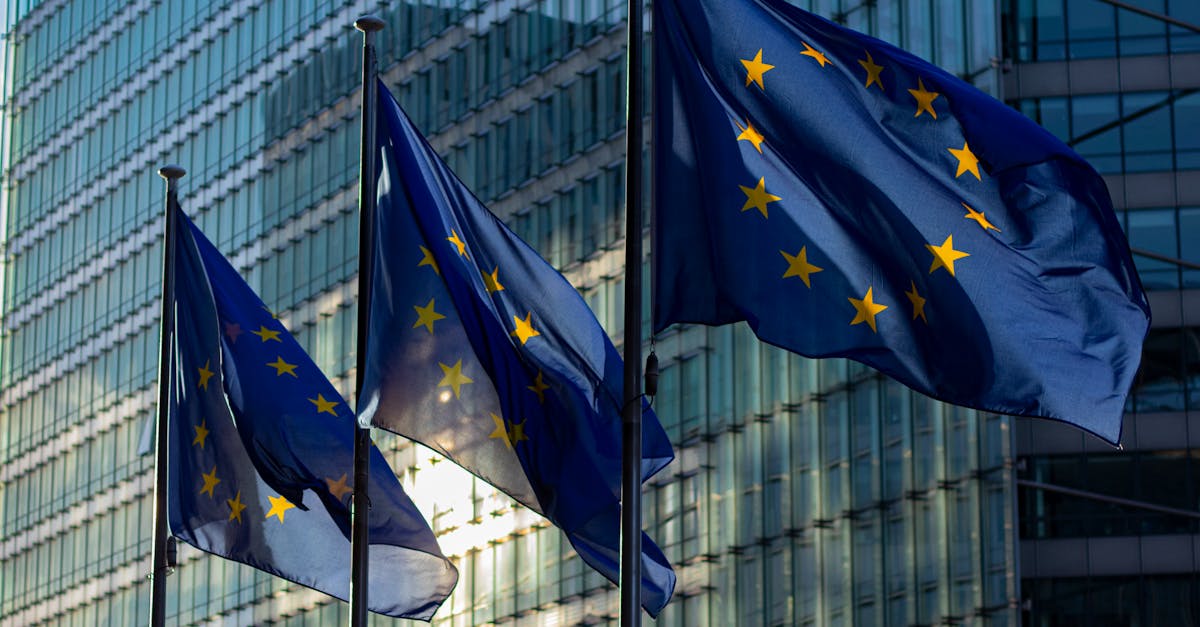
The European Commission has given TikTok a formal warning to change its app design, which regulators say encourages addiction. Without quick fixes, the popular video-sharing platform faces fines of up to 6% of its worldwide yearly sales. This move comes from an ongoing probe into how TikTok affects users, especially young people.
Background
TikTok has grown fast since it launched years ago. Billions of people around the world use it to watch short videos on phones. The app keeps users watching by feeding them one video after another without stopping. This setup, along with automatic playback and alerts, makes it hard for people to put their phones down.
EU rules, known as the Digital Services Act, or DSA, require big online platforms to protect users from harm. The law took full effect a couple of years back. It puts the burden on companies like TikTok to spot risks and fix them. Regulators started looking into TikTok last year after complaints about its effects on kids and teens.
The probe focused on the app's core features. Officials checked data on how long users stay on, especially minors late at night. They also reviewed the algorithm that picks videos based on what a user likes. This system learns from each tap and swipe to show more of the same, keeping people hooked for hours.
Commission staff spent months gathering facts. They talked to experts on screen time and addiction. Studies show that endless scrolling can change how the brain works, pushing users into habits they can't easily break. For children whose brains are still growing, the risks are higher, with links to sleep loss, poor focus, and mood changes.
TikTok, owned mostly by American investors now, has added some tools to help. Users can set daily limits on time spent. Parents can control what kids see. But regulators say these steps fall short. They do not tackle the root problem in the app's basic setup.
Key Details
The Commission's report lists specific problems. Infinite scroll means no end to the video feed. Videos play automatically one after the other. Push notifications pop up to pull users back in. The recommender system tailors content so well that it feels impossible to stop.
“For example, by constantly ‘rewarding' users with new content, certain design features of TikTok fuel the urge to keep scrolling and shift the brain of users into ‘autopilot mode'.” – European Commission statement
Officials point out ignored warning signs. Data showed minors using the app deep into the night. Users opened it dozens of times a day. Yet TikTok did not act strongly enough. The company skipped full checks on how its design harms mental and physical health.
Commissioner Henna Virkkunen oversees this area. She said social media addiction hurts young minds most.
“Social-media addiction can have detrimental effects on the developing minds of children and teens,” said commissioner Henna Virkkunen.
Now TikTok must respond. It can review all investigation files and send back arguments. Regulators want changes like turning off infinite scroll step by step. They call for real screen-time breaks that force pauses. The recommender needs tweaks to cut addiction risks.
TikTok's Response
TikTok calls the charges wrong. Company leaders say they will fight in a full defense. They point to their existing safety tools as proof of good efforts. Spokespeople argue the design matches what users want and helps creators share work.
Fines loom large if TikTok loses. The DSA allows penalties based on total global income, not just EU earnings. For a company pulling in tens of billions a year, that could mean billions in costs. Past cases show the EU follows through on big tech rules.
What This Means
This case sets a tone for other apps. Platforms like Instagram and YouTube use similar tricks to hold attention. If TikTok must change, others might face the same push. Users could see less nagging to stay online, but companies worry it hurts business.
For everyday people, especially parents, this brings hope. Tools to limit kids' use might get stronger. Schools and doctors have long flagged screen overload. Now rules back them up with real teeth.
TikTok serves over 170 million in Europe alone. Changes there could roll out worldwide to keep things simple. The company bets on its huge user base to weather the storm. But regulators signal no more free pass on design harms.
The process moves forward. TikTok has weeks to reply. Then comes a final decision, maybe hearings or more data requests. Compliance means redesign work, testing, and reports to prove it works. Non-compliance triggers fines and orders to fix fast.
Broader DSA enforcement ramps up. The EU eyes child safety across platforms. Ad rules, fake news checks, and merchant protections follow. Tech firms know Brussels watches closely now.
Young users stand to gain most. Less autopilot scrolling could mean more real-life time. Families get better controls. But the app's fun side draws crowds. Balancing engagement and health tests TikTok's next moves.
Experts watch for ripple effects. Will infinite feeds fade from social media? Could breaks become standard? The ruling shapes app design for years ahead. Platforms adapt or pay the price.