
Federal agents shot and killed 37-year-old Alex Pretti, an ICU nurse, on January 24, 2026, in south Minneapolis near 26th Street and Nicollet Avenue. Pretti was filming the agents during an immigration operation when the confrontation turned deadly. This marks the second fatal shooting of an American citizen by federal officers in the city this month, following the death of Renee Good on January 7.
Background
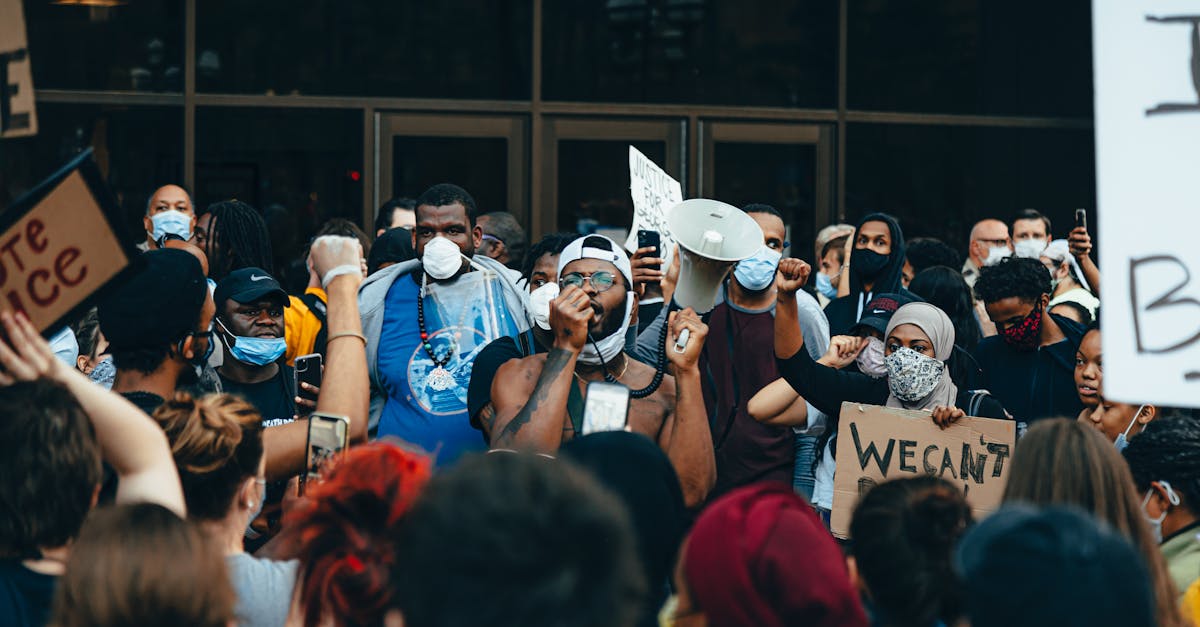
Protests have grown in Minneapolis over federal immigration actions under Operation Metro Surge. Agents from U.S. Customs and Border Protection and Immigration and Customs Enforcement have been active in the area, leading to clashes with local residents. Renee Good, killed earlier this month by an ICE agent, set off widespread demonstrations. People have gathered daily to monitor federal operations, often filming from sidewalks.
Alex Pretti lived in south Minneapolis. Born in Illinois and raised in Wisconsin, he had no criminal record beyond traffic tickets. He worked as an intensive care nurse at the Department of Veterans Affairs hospital in Minneapolis. Pretti got his nursing license in 2021 during the COVID-19 pandemic and started as a research assistant there in 2014. He belonged to the American Federation of Government Employees. Local police confirmed he held a valid Minnesota permit to carry a handgun, which is legal in the state.
The morning of January 24 started like many others amid the protests. Around 9 a.m., federal agents were conducting an operation on the street. Witnesses and videos show two women blowing whistles near the roadway, drawing attention from a Customs and Border Protection officer. The officer ordered them to move, then pushed them aside. One woman ran toward Pretti, who was nearby.
Key Details
The Confrontation Unfolds
The officer tried to clear Pretti and the woman from the roadway. They did not move right away. Video footage captures the agent deploying pepper spray toward both. Pretti approached to help the pair on the sidewalk. At least five agents then tackled him, dragging him to the ground. They struggled with him, striking blows as he resisted.
While Pretti was pinned face down, agents yelled about a gun about eight seconds after he hit the pavement. One agent in gray clothing removed a 9mm semi-automatic handgun from Pretti's possession. Despite this, a Border Patrol agent fired the first shot from close range, with his arm recoiling visibly. Five seconds later, a total of 10 shots rang out in under five seconds from two agents. Pretti collapsed motionless.
One agent, appearing to hold a gun, ran behind a nearby car after the shots. Others backed away from Pretti's body. Federal reports say agents cut his clothing and applied chest seals to wounds starting at 9:02 a.m. Minneapolis Fire Department medics arrived at 9:05 a.m., took over care, and transported him at 9:14 a.m. to Hennepin County Medical Center. Doctors pronounced him dead at 9:32 a.m.
A doctor who reached the scene later filed a court statement. The doctor said agents seemed to count bullet wounds instead of giving immediate aid like CPR. When allowed access, the doctor noted at least three shots in Pretti's back, one in the upper left chest, and a possible neck wound. The doctor performed CPR until medics took over. DHS claims medics provided aid, but Pretti died at the hospital.
Investigators found two magazines of ammunition on Pretti but no ID. A government report to Congress notes a Border Patrol agent secured the gun in a vehicle after the shooting. No chain of custody documents exist for the firearm at the scene—it was not photographed in place or sealed in an evidence bag with labels.
President Donald Trump called Pretti an 'insurrectionist' and 'agitator' after videos surfaced. DHS stated Pretti approached agents intending an attack with the pistol and resisted when they tried to disarm him. Local officials dispute this, saying videos show no initial threat. Pretti's parents told media he was a dedicated nurse helping veterans.
"What the videos depict is that this guy did not walk up to anybody from CBP in a threatening manner. For DHS to construe that he arrived at that location with the intent to shoot those border patrol officers, there's nothing in the video evidence that we've seen thus far that would support that." – John Cohen, former acting DHS undersecretary
Former DHS officials say the handling of the incident hurts public trust. They point to conflicting statements from federal agencies as a problem after back-to-back shootings.
What This Means
This shooting has fueled anger over federal tactics in Minneapolis. Protests continue, with calls for independent reviews of agent actions. Two fatal incidents in 17 days have put Operation Metro Surge under scrutiny. Lawmakers from both parties express concern, demanding full video releases and body camera footage if any exists.
Questions linger on use of deadly force. Videos show Pretti down and disarmed before shots fired. The rapid 10-shot burst raises issues on training and de-escalation. Minneapolis Police Chief Brian O’Hara noted Pretti's clean record and legal gun permit, challenging federal claims of violent intent.
The Department of Homeland Security faces pressure to explain the timeline and evidence handling. An autopsy by Hennepin County examiners is underway, with federal oversight teams requesting results. Unions like the Oregon Nurses Association voiced outrage over the death of a healthcare worker serving veterans.
Second Amendment supporters warn that labeling legal gun owners as threats could erode rights. Trump's remarks tie the incident to broader unrest, calling Pretti part of agitator groups. Local leaders push for state investigations alongside federal ones to ensure accountability.
Families and communities mourn Pretti as a caregiver, not a criminal. The clash highlights tensions between federal enforcement and city streets, where filming police is common. Ongoing probes may reveal more on agent decisions and Pretti's final moments. Public trust in DHS hangs in balance amid these events.