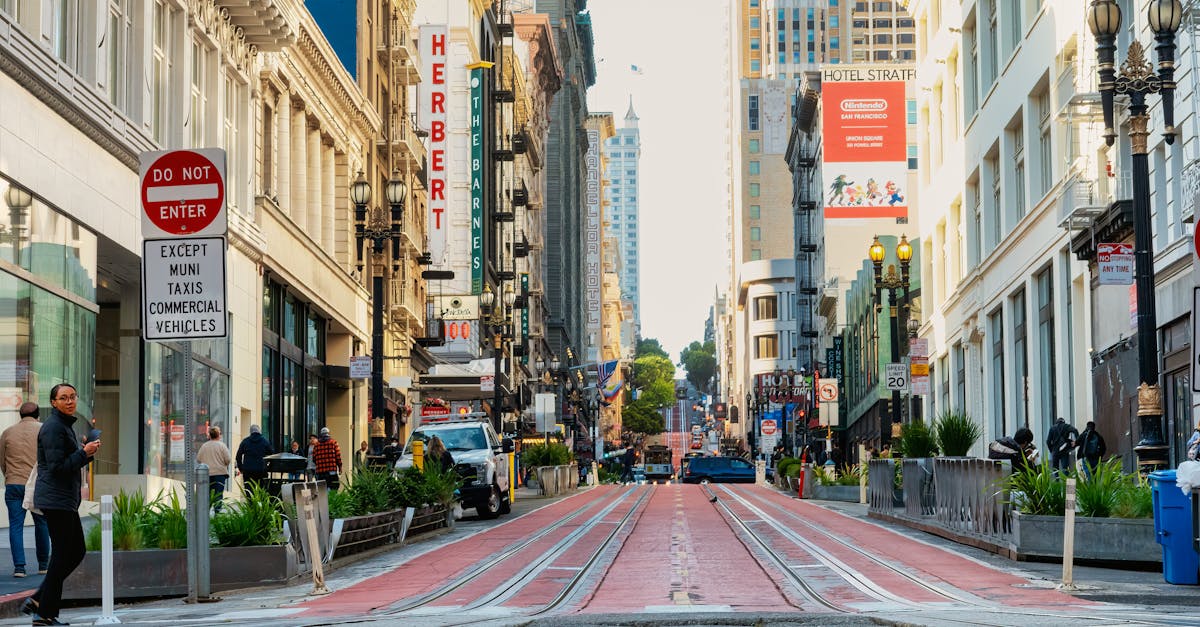
Thousands of economists from around the world met in San Francisco from January 3 to 5, 2025, for the Allied Social Science Associations annual meeting, known as ASSA. Often called the Super Bowl of economics, the event at the Hilton San Francisco Union Square and nearby hotels featured hundreds of research papers, expert panels, and awards. Organizers from the American Economic Association and 66 other groups hosted sessions to share the latest findings on topics from inflation to labor markets.
Background
The ASSA meeting happens every January and brings together researchers, policymakers, and students. This year's event ran Friday through Sunday, with sessions starting at 8 a.m. on the first day and ending at 3 p.m. on the last. The headquarters hotel, Hilton San Francisco Union Square, held registration and many talks, while the San Francisco Marriott Marquis and Parc55 hosted others. Over 200 poster sessions displayed visual summaries of recent work, with presenters on hand January 3 and 4 from 1 to 2 p.m. for questions.
The gathering started with a welcome reception on Thursday evening, January 2, offering drinks, food, and conference bags. Networking events included receptions for groups like the Committee on the Status of Women in the Economics Profession and the Committee on the Status of Minority Groups in the Economics Profession. Job market interviews took place online, using tools from the Journal of Economic Perspectives network for profiles and scheduling.
A new feature this year was 15 lightning round sessions. These short talks covered topics like demographic economics, health policies, international trade, and new technologies. They aimed to spark quick discussions and connections among attendees. The American Economic Association also ran a Recent Developments Series, free to all registrants, where leading scholars covered fresh research in their fields.
Awards ceremonies handed out honors like the John Bates Clark Medal, Distinguished Fellows, and Foreign Honorary Members. Panels drew big crowds, including one on inflation with former Federal Reserve Chair Ben Bernanke.
Key Details
Hundreds of papers filled the program, but five caught attention for tackling big economic questions. Presenters shared work on macroeconomics, data methods, social issues, and more.
Standout Papers and Sessions
One paper looked at recent developments in macroeconomics with heterogeneous agents. Ludwig Straub from Harvard University presented this work, which examines how people with different incomes and situations affect the overall economy. These models help explain why policies hit groups in varied ways during events like recessions.
Another focused on econometrics for transparency and communication. Isaiah Andrews from MIT led this session. It covered new statistical tools that make economic data easier to understand and share with non-experts, like policymakers and the public.
Abi Adams from Oxford University spoke on recent research into gender, violence, and harassment. Her paper reviewed studies on how these issues impact women's work and earnings, drawing from data across countries.
Census Bureau economists presented nine papers on topics from child outcomes to business formation. They used household surveys, employer data, and administrative records to track earnings, employment, health care, and regional prices. Other researchers used Census microdata through Federal Statistical Research Data Centers.
Panels added depth. A session on inflation and the macroeconomy featured Jason Furman from Harvard Kennedy School as moderator. Panelists included Ben Bernanke from Brookings, John Cochrane from Hoover Institution, and Christina Romer from UC Berkeley. They discussed how prices rise and what central banks can do.
"These meetings are where the field comes alive with new ideas," said Mary C. Daly, President and CEO of the Federal Reserve Bank of San Francisco, during a panel on Ben Bernanke's contributions to economics. – Mary C. Daly
That panel, moderated by Christina Romer, included Mark Gertler from NYU, Emi Nakamura from UC Berkeley, and Peter Rousseau from Vanderbilt. They reviewed Bernanke's work on financial crises and monetary policy. Editors like Orley Ashenfelter from Princeton also joined talks on journal impacts.
Lightning rounds touched 15 areas, from economic history and education to political economy and monetary policy with asset prices. Poster sessions showed over 200 projects, giving quick views of ongoing studies.
What This Means
The papers point to economics shifting toward real-world problems. Work on heterogeneous agents shows standard models miss how inequality shapes growth and policy effects. Better econometrics tools mean clearer reports for decisions on budgets and jobs.
Gender and violence research highlights barriers in labor markets. It tracks how harassment cuts women's participation and pay, informing laws and company practices. Census papers stress data's role in measuring hidden trends, like business starts in different regions or program effects on families.
Inflation panels come at a time when prices still worry households and leaders. Experts like Bernanke and Daly stress tools like interest rates and supply fixes. Their talks suggest central banks will keep watching wage growth and trade flows.
Lightning sessions broaden the field. Topics like environmental factors in finance and new tech show economics linking to climate and AI changes. Health economics papers look at policies post-pandemic, from insurance to worker health.
Awards recognize leaders whose ideas guide practice. The Clark Medal goes to young economists with big impact, signaling future directions. Networking builds ties for collaborations, especially for junior researchers at mentoring breakfasts.
Overall, ASSA 2025 showed a field focused on data-driven answers to inequality, prices, and growth. With thousands attending, ideas from these papers will shape studies, policies, and teaching in coming years. Sessions on trade and labor point to global shifts from supply chains and migration. Innovation talks cover how tech changes jobs and markets. These threads run through the event, giving a clear view of economics today.