
French lawmakers in the National Assembly voted on Monday to approve the first step of a bill that would ban children under 15 from using social media. The measure, pushed by President Emmanuel Macron, targets platforms like TikTok, Snapchat, and Instagram to shield kids from cyberbullying, harmful content, and mental health risks. It also extends a phone ban to high schools. Officials want the rules in place by the start of the school year in September.
Background
France has long worried about how social media affects young people. Studies show nearly half of French teens spend two to five hours a day on smartphones, with most checking social networks daily. This heavy use links to lower self-esteem, exposure to self-harm content, drug references, and suicide risks. Public health experts note platforms harm girls more through cyberbullying and violent material, though they are not the only cause of mental health drops.
In 2018, France banned phones in middle schools for kids aged 11 to 15. Now, the new bill pushes that to high schools. A 2024 survey found 73% of people back a social media ban for under-15s. President Macron has made kid safety online a top issue. He spoke out in a video over the weekend, warning that children's minds should not fall under the sway of American platforms or Chinese algorithms.
This push follows Australia's ban on social media for under-16s, which started last December. France sees it as a model but wants to act faster on its own. A past attempt in 2023 to set a 15-year-old minimum for sign-ups failed due to EU privacy rules. Lawmakers rewrote this bill to fit those rules better.
Key Details
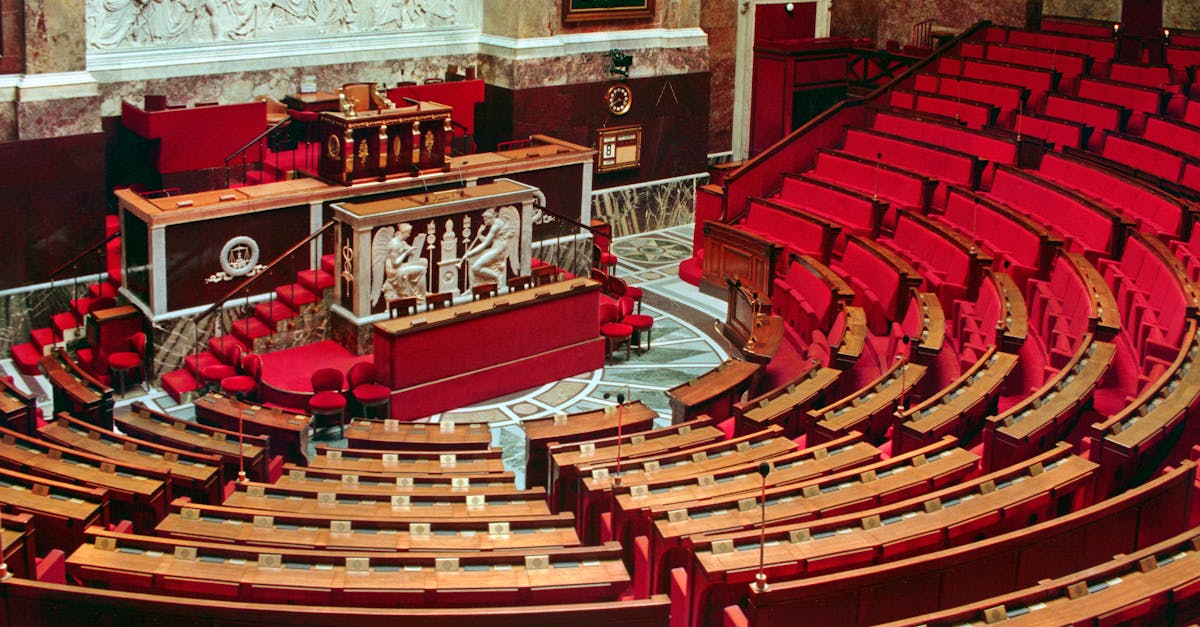
The National Assembly, France's lower house of parliament, held the vote at 4 p.m. local time on Monday. Centrist lawmakers brought the bill, and it passed easily. Next, it goes to the Senate, with hopes for approval by mid-February.
Timeline and Enforcement
Prime Minister Sébastien Lecornu said the government will use a fast-track process to pass the law by September 1. New accounts for under-15s would face the ban right away at the start of the 2026 school year. Platforms get until December 31 to shut down existing underage accounts. Age checks must follow EU standards, like secure verification systems now in development across Europe.
The law bars access to 'online networking services' for minors under 15. It skips sites like online encyclopedias or school tools. Platforms must block kids through tech that confirms age without breaking privacy laws.
"With this law, we are setting a clear boundary in society and saying social media is not harmless. Our children are reading less, sleeping less, and comparing themselves to one another more. This is a battle for free minds." – Laure Miller, centrist lawmaker
Far-right lawmaker Thierry Perez called it a response to a health emergency. He asked what cost free expression on social media brings to children.
Former Prime Minister Gabriel Attal, who heads Macron's party in the Assembly, said he expects Senate backing soon. He noted the ban hits new accounts first, giving platforms time to clean up old ones.
Challenges Ahead
Enforcement won't be simple. Australia's ban saw kids under 16 boast online about dodging it. France must build strong age verification that works without invading privacy. A parliamentary group on TikTok's effects even suggested night-time internet blocks for older teens, but that's not in this bill.
What This Means
If fully passed, France would join Australia as the second country with a nationwide social media age ban. It sets a line against platforms shaping kids' thoughts through algorithms built for endless scrolling. Mental health groups point to real harms: more bullying, less sleep, constant comparisons that hurt self-image.
For families, it means tighter controls. Parents may need to help with age proofs or use parental settings. Teens in Paris streets show mixed views—some see the risks, others call it too strict. Platforms face big changes: they must scan accounts, block kids, and face fines if they fail.
The bill ties into wider fights. Macron wants digital rules that protect Europe from outside tech giants. EU talks on age checks move slow, so France acts alone for now. Success here could push other nations. A 90% rate of 12-to-17-year-olds online daily shows the scale—half glued to phones for hours.
Schools gain from the phone extension: no mobiles in high schools means fewer distractions, less filming fights. Violence among youth worries leaders, and Macron links some to social media's pull. Health reports back this, listing harms from addictive designs.
Lawmakers from left to right back the core idea, though details spark debate. Centrists lead, but far-right sees urgency. Public support runs high, per polls. If the Senate agrees, kids under 15 lose easy access to likes, shares, and scrolls by fall.
Platforms like Instagram and TikTok must adapt fast. They already offer teen accounts with limits, but a full ban ups the pressure. France's move tests if nations can outpace global tech on child safety. Other countries watch close, from UK talks to US state laws.