German Chancellor Friedrich Merz arrived in Beijing on Tuesday for his first official visit to China, meeting President Xi Jinping at the Great Hall of the People to discuss Germany China relations. The talks come as trade tensions grow between the two nations, with both leaders stressing the need for stronger ties despite global uncertainties. Merz brought a large business delegation, aiming to boost economic links while addressing concerns over market access and supply chains.
Key Takeaways
- Chancellor Merz met Xi Jinping in Beijing on February 24, 2026, to push for deeper economic cooperation.
- Both leaders called for more trust and dialogue amid trade frictions and world changes.
- Germany sees China as a key partner but faces pressure to reduce economic dependence.
- Talks covered climate action, technology, and global issues like the Ukraine war.
Background
Germany and China have built strong economic bonds over decades. German carmakers like Volkswagen and BMW rely heavily on the Chinese market. China buys more from Germany than any other European country. Exports to China hit record levels last year, supporting jobs back home.
But cracks have appeared. Europe's push to diversify supply chains picked up speed after the pandemic exposed risks. Germany's new government under Merz wants to cut reliance on China for critical goods like batteries and rare earths. At the same time, EU tariffs on Chinese electric vehicles added strain. Berlin backed those measures, irking Beijing.
Merz took office last fall after elections. His conservative party favors a tough stance on China. Yet he knows German firms need access to China's huge market. Auto sales there slumped lately, hitting profits. And with the US under Trump pushing allies to limit China ties, Germany walks a tightrope.
This trip marks Merz's inaugural China visit as chancellor. Past leaders like Scholz made similar journeys, but outcomes often fell short. Promises of deals rarely fixed deeper issues. Now, with factories idling in Germany and Chinese firms eyeing Europe, both sides seek progress.
Key Details
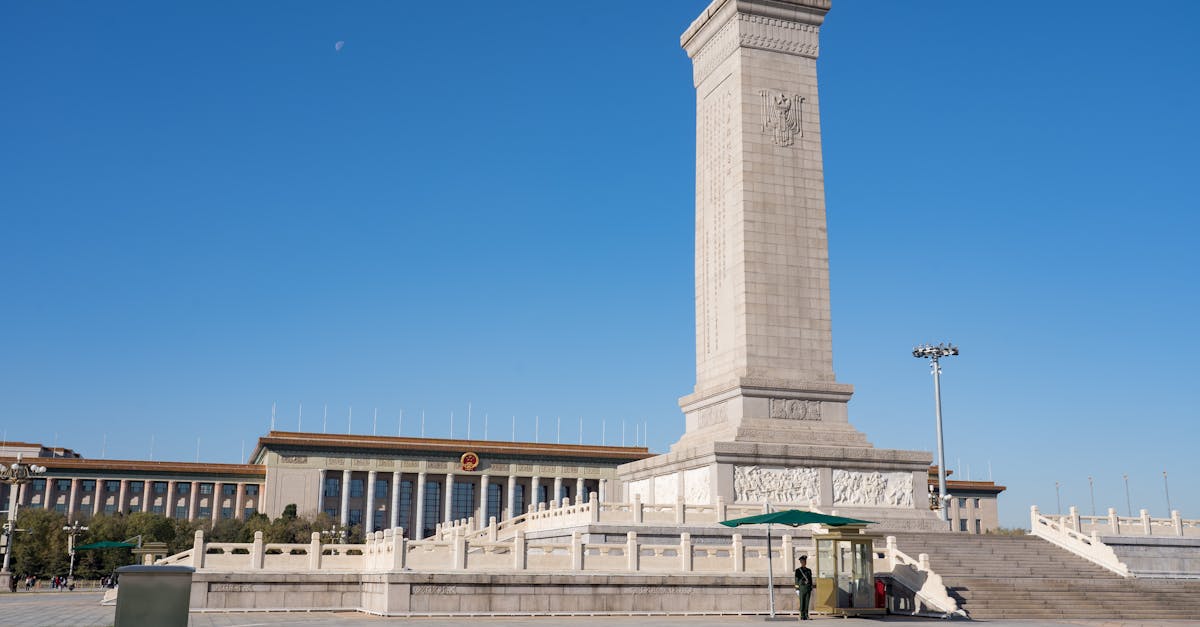
The meeting happened at the Great Hall of the People, a grand spot for top diplomacy. Xi welcomed Merz warmly, despite it being Chinese New Year time. Merz thanked him for the invite, noting the busy holiday schedule.
Talks lasted over an hour. They spoke through interpreters, switching between Chinese and German. Xi pointed to big global shifts, unseen in a century. He said turbulent times demand closer China-Germany links.
"The more turbulent and complex the world becomes, the more China and Germany need to strengthen strategic communication and enhance strategic mutual trust." – Xi Jinping
Merz agreed. He called Germany and China two of the world's top three industrial powers. That brings duty. But it opens doors too. He brought dozens of business leaders from energy, autos, and tech sectors. They held separate meetings with Chinese officials.
Trade and Economy Focus
Trade topped the agenda. Germany exported 112 billion euros to China last year. Imports from China topped 200 billion. But German firms complain of unfair competition. Cheap Chinese EVs flood Europe, undercutting local makers. Merz pressed for level playing fields.
Discussions touched green tech. Both nations want deals on solar panels and wind turbines. Germany seeks stable supplies for its energy shift. China eyes German know-how in efficient manufacturing. No big agreements came out yet. But staff talked up memorandums on climate work.
Global topics arose too. They discussed Ukraine, where Germany backs Kyiv with arms. China stays neutral. On climate, both pledged G20 teamwork. Tech partnerships got a nod, though export controls linger.
Merz met Premier Li Qiang earlier. Those talks zeroed in on business hurdles. German firms want fewer red tape barriers. Chinese side promised easier market entry. A joint statement followed, vowing steady ties.
Later, Merz visited a German-Chinese innovation center. He toured labs working on batteries and AI. Firm handshakes. Photo ops. But whispers among delegates spoke of hard bargaining ahead.
What This Means
These talks show how hard it is to rewire Germany China relations. Germany needs China's market. China needs German tech and brands. Yet trust erodes. EU probes into Chinese subsidies anger Beijing. Germany's push for friend-shoring pulls it toward India and Vietnam.
For German workers, outcomes matter. Factories in Bavaria and Baden-Württemberg depend on China sales. Sluggish demand there means layoffs. Firms like Porsche cut China forecasts. Merz's trip aims to steady that ship.
China gains too. It wants Europe as a counterweight to US pressure. Stronger Germany links blunt EU unity on tariffs. Beijing hopes Merz softens Berlin's line.
Broader ripples hit global trade. If Germany eases back, it sets a tone for Europe. If not, tensions rise. Supply chains stay shaky. And with Trump eyeing tariffs, all watch closely.
Business reps sound cautious. One auto exec said progress feels slow. But doors opened. Follow-up visits planned. No quick fixes. Steady work ahead.
Watch for deals in coming months. Energy pacts possible. Tech talks too. But deep changes take years. Germany's balancing act continues.
Frequently Asked Questions
Why did Chancellor Merz visit China now?
Trade slowed. German exports dipped. His trip seeks to restart talks and support businesses hit by market shifts.
What main issues did they discuss?
Economy, trade barriers, green energy, and world events like Ukraine. Both stressed trust building.
Will this fix Germany-China trade problems?
Talks laid groundwork. No big breakthroughs yet. More meetings needed for real change.
Frequently Asked Questions
Why did Chancellor Merz visit China now?
Trade slowed. German exports dipped. His trip seeks to restart talks and support businesses hit by market shifts.
What main issues did they discuss?
Economy, trade barriers, green energy, and world events like Ukraine. Both stressed trust building.
Will this fix Germany-China trade problems?
Talks laid groundwork. No big breakthroughs yet. More meetings needed for real change.