
Scientists in Japan have found a giant virus in a freshwater pond near Tokyo that infects amoebas. They named it ushikuvirus after Lake Ushiku in Ibaraki Prefecture where they collected water samples. The find, detailed in a study from late 2025, points to new details about how these large viruses work and their possible role in the early steps toward multicellular life.
Background
Giant viruses stayed under the radar for years in virology. Early researchers often mistook them for bacteria because of their size. Things changed in 2003 when a team in France found mimivirus in a water cooling tower. That virus had a genome of 1.2 million base pairs and measured 400 nanometers across, much bigger than typical viruses.
Since then, scientists have identified over ten families of these giant viruses. They turn up in oceans, soil, and freshwater around the world. These viruses infect single-celled organisms like amoebas. Their genomes hold hundreds of genes, including some that handle tasks usually linked to cells, not viruses.
One big question in biology is how life moved from simple prokaryotic cells without nuclei to eukaryotic cells with nuclei. Prokaryotes lack that membrane-bound nucleus, while eukaryotes have it. This shift happened billions of years ago and led to all multicellular life, including plants, animals, and humans.
In 2001, Masaharu Takemura, a molecular biologist at Tokyo University of Science, put forward the viral eukaryogenesis theory. He proposed that a large DNA virus infected an ancient prokaryote. Over time, the virus settled in the cell's cytoplasm, took on host genes, and turned into the first nucleus. Finds of giant viruses that build 'virus factories' inside host cells, which look like nuclei, have supported this idea.
Takemura has kept working on this theory for over 20 years. His team now studies ushikuvirus as part of that effort. These viruses show a mix of traits that bridge simple and complex life forms.
Key Details
Ushikuvirus came from water samples in Lake Ushiku-numa. It infects Vermamoeba vermiformis, a type of amoeba. This marks the first such giant virus found in Japanese waters targeting this host.
The virus has a genome of at least 666,605 base pairs and 784 genes. That makes it larger than its closest relatives. It belongs to a group related to the Mamonoviridae family, close to clandestinovirus found in French wastewater in 2021 and more distant from medusaviruses.
Unique Infection Process
What sets ushikuvirus apart is how it acts inside the host. Most giant viruses shrink infected cells or keep the nucleus intact. Ushikuvirus does the opposite. It makes amoeba cells grow much larger—on average double the size, with some reaching seven times normal. The infection takes about 60 hours, longer than for related viruses.
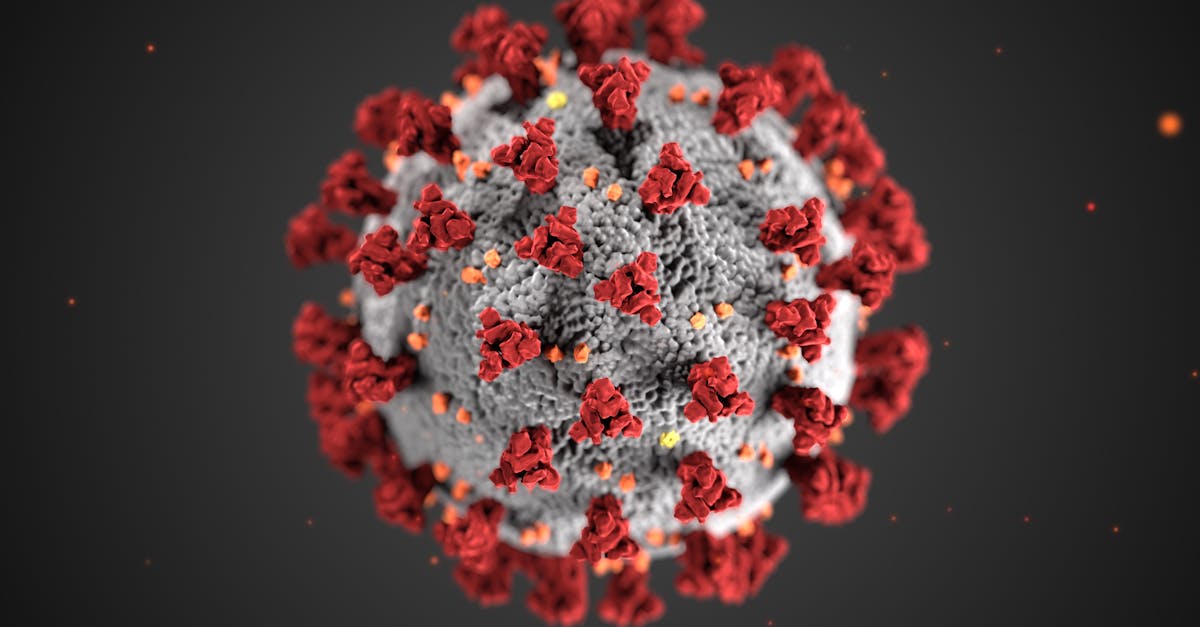
Unlike clandestinovirus or medusaviruses, which replicate inside the host nucleus, ushikuvirus breaks down the nuclear membrane. It then builds its own virus factory in the cell. The virus has a spiky capsid with unique caps on the spikes and fibrous structures, possibly with carbohydrates. These may help it attach to the host and explain the slow cycle.
It also carries a full set of histone proteins, key for packing DNA. Its H2A and H2B genes are fused, a trait shared with some relatives. Other vermamoeba-infecting giant viruses include faustovirus, fadolivirus, orpheovirus, kaumoebavirus, and tupanvirus from Brazil.
"Giant viruses can be said to be a treasure trove whose world has yet to be fully understood," said Masaharu Takemura of Tokyo University of Science. "One of the future possibilities of this research is to provide humanity with a new view that connects the world of living organisms with the world of viruses."
"The discovery of a new Mamonoviridae-related virus, ‘ushikuvirus,’ which has a different host, is expected to increase knowledge and stimulate discussion regarding the evolution and phylogeny of the Mamonoviridae family," Takemura added.
The team published their full description in the Journal of Virology on November 24, 2025.
What This Means
Ushikuvirus adds one more piece to the puzzle of giant virus diversity. Its mix of shared and unique traits helps map out how these viruses evolved. Researchers want to know why they spread into so many forms and what part they played in eukaryote origins.
The viral eukaryogenesis theory now has more backing from these finds. Virus factories that mimic nuclei suggest viruses contributed key parts to early cells. Ushikuvirus destroys the host nucleus instead of using it, which offers a contrast to study.
Beyond evolution, giant viruses in amoebas could have health links. Some Acanthamoeba species cause brain infections in humans. Understanding how viruses like ushikuvirus kill their hosts might lead to ways to fight those amoebas.
Giant viruses are common in water and soil. Hundreds lurk in oceans alone. Each new isolation like this one fills gaps in our knowledge. They challenge old views of viruses as simple parasites. Instead, they show complexity that rivals some cells.
Takemura's team plans more work on ushikuvirus and its relatives. They aim to trace family trees and test infection details. This could clarify if viruses truly sparked the nucleus or just share old genes with it.
The discovery highlights how much remains unknown about viruses. They are the most common biological things on Earth, yet their history is murky. Ushikuvirus from a quiet pond near Tokyo now joins the list of finds pushing science forward.