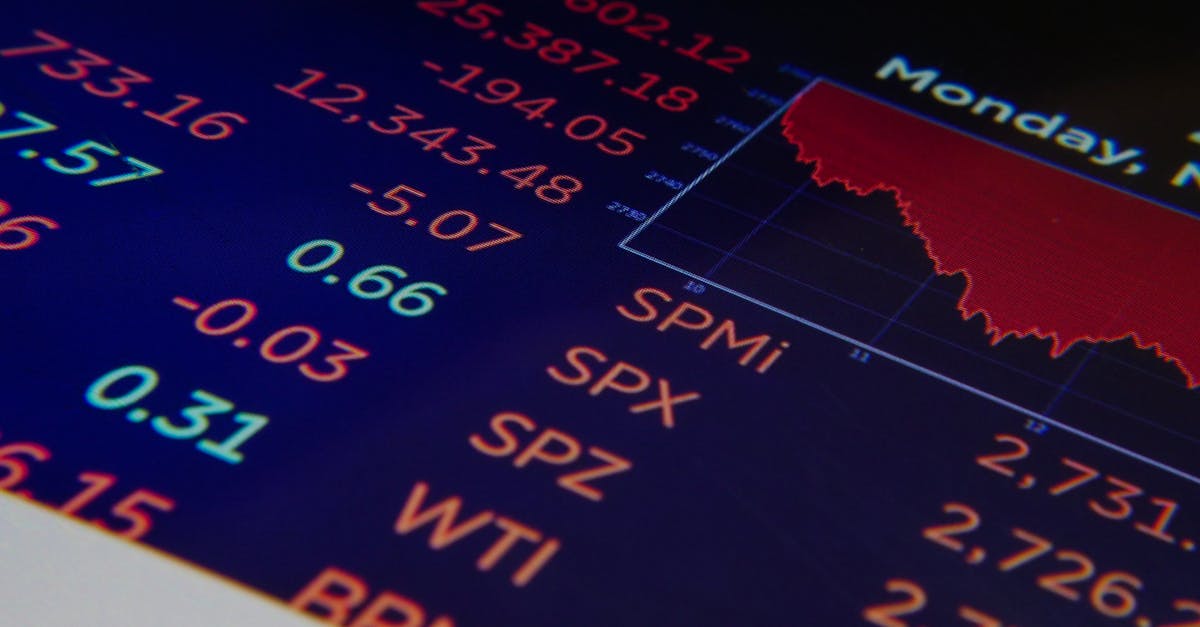
European stocks are set to open sharply lower as a wave of risk aversion sweeps through global financial markets, triggered by concerns over artificial intelligence investments, tumbling cryptocurrencies, and weakness in precious metals.
The sell-off comes after major technology stocks declined in the United States on Friday, with the Nasdaq Composite falling 0.9 percent while the Dow Jones Industrial Average and S&P 500 each slid 0.4 percent. Asian markets followed suit, posting broad-based losses as the cautious mood spread across trading floors worldwide.
Background
The shift in market sentiment reflects a sharp reversal in investor confidence after months of enthusiasm around artificial intelligence and technology spending. Much of the optimism had been fueled by expectations of massive capital investments by major tech companies in AI infrastructure and development.
That confidence took a hit when the Wall Street Journal reported that Nvidia, one of the world's largest chipmakers, is reconsidering its plan to invest up to $100 billion in OpenAI, the company behind ChatGPT. The move signals growing concerns within the tech industry about the sustainability and profitability of current AI strategies.
Nvidia's Chief Executive Officer Jensen Huang expressed worries about competition and what he described as a lack of discipline in OpenAI's business approach. According to reports, Huang said the company's proposed investment was "never a commitment," suggesting the deal could fall apart entirely.
The pullback from AI spending comes at a time when investors are also reassessing other risky assets. Gold and silver have extended steep declines, while Bitcoin fell to a fresh 10-month low following a dollar-driven collapse that began last week. Oil prices plunped nearly 5 percent after reports emerged of talks between the United States and Iran, combined with an announcement by OPEC+ to maintain a pause on oil output increases for March.
Key Details
The Nvidia-OpenAI Situation
The uncertainty surrounding Nvidia's investment in OpenAI has put technology stocks squarely in the spotlight this week. The $100 billion investment was viewed by many as a signal that major tech companies were willing to spend heavily to dominate the AI market. Its apparent stalling has forced investors to question whether the AI boom is sustainable or whether it has already peaked.
"The company's proposed $100 billion investment in OpenAI was never a commitment," Huang reportedly said, citing concerns about competition and business discipline.
This skepticism comes as more than 100 companies in the S&P 500 are set to report earnings this week, including Amazon, Alphabet, and Disney. Their results could provide clearer signals about whether technology companies remain confident in their AI strategies or are beginning to pull back.
Economic Data and Central Bank Decisions
Beyond the AI concerns, investors face a busy week of economic releases that could shape market direction. The U.S. Labor Department will publish its monthly jobs report, while data on manufacturing and service sector activity, job openings, and consumer sentiment are also scheduled.
Central banks are also in focus. The Reserve Bank of Australia, European Central Bank, and Bank of England all have policy meetings scheduled this week. The ECB and Bank of England are expected to hold interest rates steady, though any shifts in their language could move markets.
Broader Market Context
The current turmoil also reflects concerns about U.S. monetary policy. Last Friday, President Trump nominated Kevin Warsh for the position of Federal Reserve Chair. Warsh is widely viewed as skeptical of loose monetary policy and has previously criticized the Federal Reserve for underestimating inflation risks. Markets interpreted this nomination as a signal that monetary policy could take a more hawkish turn.
Data released Friday showed producer prices increased by the most in five months in December, with some of the increase coming from import tariffs. This prompted traders to price in expectations for a tougher stance on inflation from the Fed.
Trump's threats to impose tariffs on Canadian planes and nations selling oil to Cuba have also weighed on investor sentiment, adding another layer of uncertainty to an already volatile market environment.
What This Means
The combination of AI investment doubts, cryptocurrency weakness, and economic uncertainty has created a challenging environment for investors. The pullback from riskier assets suggests that many are moving toward safety, a classic sign of market stress.
For European stocks, the week ahead will be critical. The region's economic data, combined with central bank decisions and the flood of corporate earnings from major U.S. companies, could determine whether this sell-off is a temporary correction or the beginning of a longer downturn.
Investors should watch closely for any signs that companies are backing away from technology and AI spending plans. If that trend accelerates, it could signal a fundamental shift in how markets view the artificial intelligence boom that has driven gains for much of the past year. At the same time, the outcome of earnings season could provide reassurance that corporate profitability remains solid despite broader market concerns.