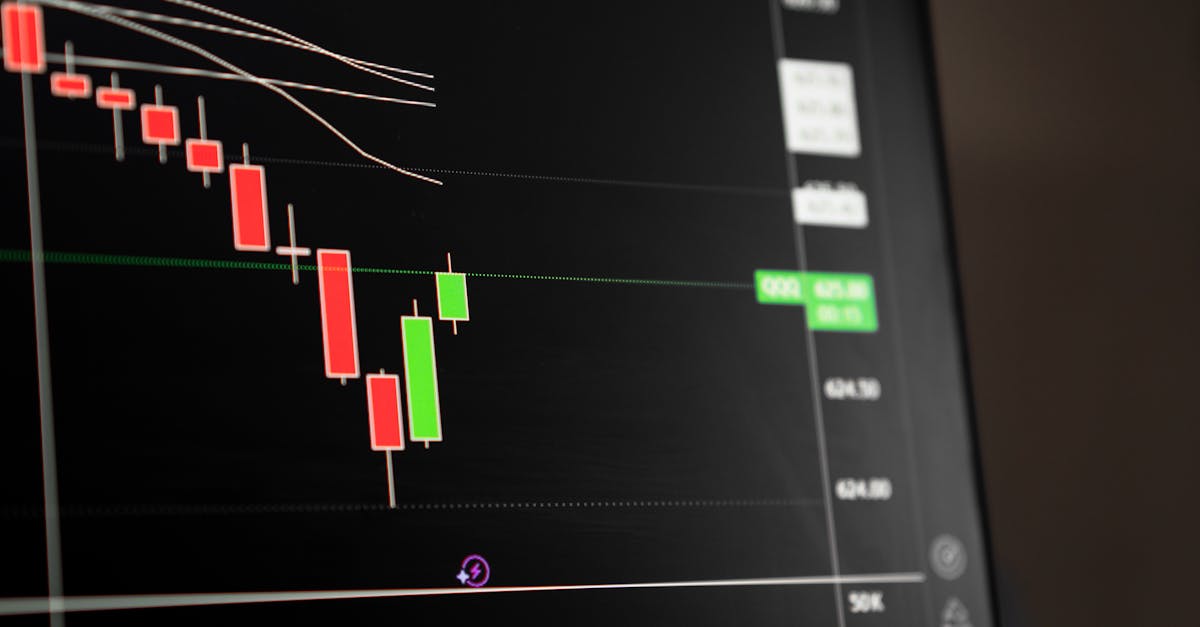
Gold and silver prices fell hard on January 30, 2026, ending a months-long rally that had pushed both metals to record highs. Gold dropped around 9% from its peak near $5,600 an ounce to about $5,100, while silver plunged close to 30% to around $78 an ounce, its biggest one-day loss since 1980. The sudden shift came as traders unwound bets built up over the summer, rattled by news of Donald Trump's plan to nominate Kevin Warsh as the next Federal Reserve chair and signs of weakness in China.
Background
Gold and silver had been climbing steadily for months, driven by fears of high inflation and uncertainty over political moves on the US central bank. Gold, often seen as a safe place for money during tough times, nearly doubled in price over the past year. It broke past $5,000 an ounce for the first time late last month and touched close to $5,600 just before the drop. Silver moved even faster, up more than 60% in January alone and over 140% through 2025. This metal, used in solar panels, electronics, and electric cars, drew extra buying from industrial demand.
The rally pulled in all kinds of investors, from those hedging against rising prices to speculators chasing quick gains. Prices shot up like they did with Bitcoin during its booms, creating a crowd of bets that made the market fragile. By late January, trading showed signs of strain, with tools like the relative strength index flashing warnings of overbought conditions. Volumes in gold exchange-traded funds hit highs not seen in months, pointing to heavy buying and positioning.
Trump's nomination of Kevin Warsh added to the mix. Many had worried about a pick who might push for fast rate cuts to please the president-elect. Warsh, a former Fed governor, is viewed as more steady, easing some fears but prompting a rethink among traders who had bet on looser policy. At the same time, the US dollar started to weaken, but not enough to support metals, as other pressures took hold.
Key Details
The Plunge on January 30
The big drop hit on Thursday, January 30. Gold for April delivery fell 11.4% to $4,745 an ounce after peaking at nearly $5,267 the day before. Silver for March closed at $78.531 per troy ounce, down 31% in a day that echoed the burst of the 1980 bubble. In just 60 minutes, gold shed 9% and silver 11%, wiping out trillions in market value—some reports put it at $15 trillion for gold and silver combined.
Traders pointed to several triggers. First, China's economic data showed manufacturing contracting, raising fears of lower demand for silver in factories, solar panels, and tech. When China slows, silver suffers more than gold because of its industrial ties. Second, the Federal Reserve signaled it would pause interest rate cuts after easing late last year, with inflation still above target. A hawkish stance keeps rates higher, which hurts non-yielding assets like gold and silver.
Third, crowded trades unraveled. Banks and brokers pulled back to manage risks, sparking stop-loss orders and margin calls. Paper contracts—bets without physical metal—got liquidated, erasing weeks of gains. ETF flows turned heavy as investors sold. Volatility fed on itself, with silver's wild swings amplifying gold's fall.
Mining stocks took a hit too. Shares in companies digging for gold and silver reset lower, reflecting the price drop and broader market jitters. Equities felt the shake, as the metals plunge rattled portfolios heavy in safe-haven bets.
"Volatility feeds on itself. When prices swing too far, too fast, banks and brokers step back to manage balance-sheet risk." – Ole Hansen, Saxo Bank
Broader Market Ties
The sell-off rippled out. Bitcoin dropped 7% that weekend, falling under $80,000 for the first time since April and down 11% for January. The US dollar index, which often moves against metals, played a role too—its shifts added pressure. A government shutdown deadline loomed on January 31, stirring political uncertainty just as metals peaked.
What This Means
The crash marks a reset after an overheated rally. Investors who jumped in late face losses, and recovery may take time given high debt levels and shaken confidence. Mining firms now deal with lower prices, potentially slowing projects or expansions. For everyday holders, like those with gold ETFs or silver bars, paper losses mount, though physical demand could steady things long-term.
Markets watch for rebound signs. Some see patterns from December, when a similar dip led to a 65% silver rally in January. Predictions point to silver hitting $120 by February 10 if bullish forces return, with gold breaking $6,000 mid-month—a 65% chance in one view. But more pain looms if the Fed stays hawkish and the dollar strengthens.
New Zealand and other exporters eye a weaker US dollar for trade boosts. Gold's role as a haven holds, but the drop shows how fast sentiment shifts. Traders reposition, with February 2 dubbed a 'Monday Reset' for structural changes in metals trading. Physical demand from industry and central banks could limit downside, but crowded bets mean volatility lingers.
Equity markets brace for spillovers, as metals-linked funds unwind. The Fed's next moves, China data, and Trump's team fill the calendar. For now, the plunge shows how inflation fears built a boom that policy news and data pierced in hours.