
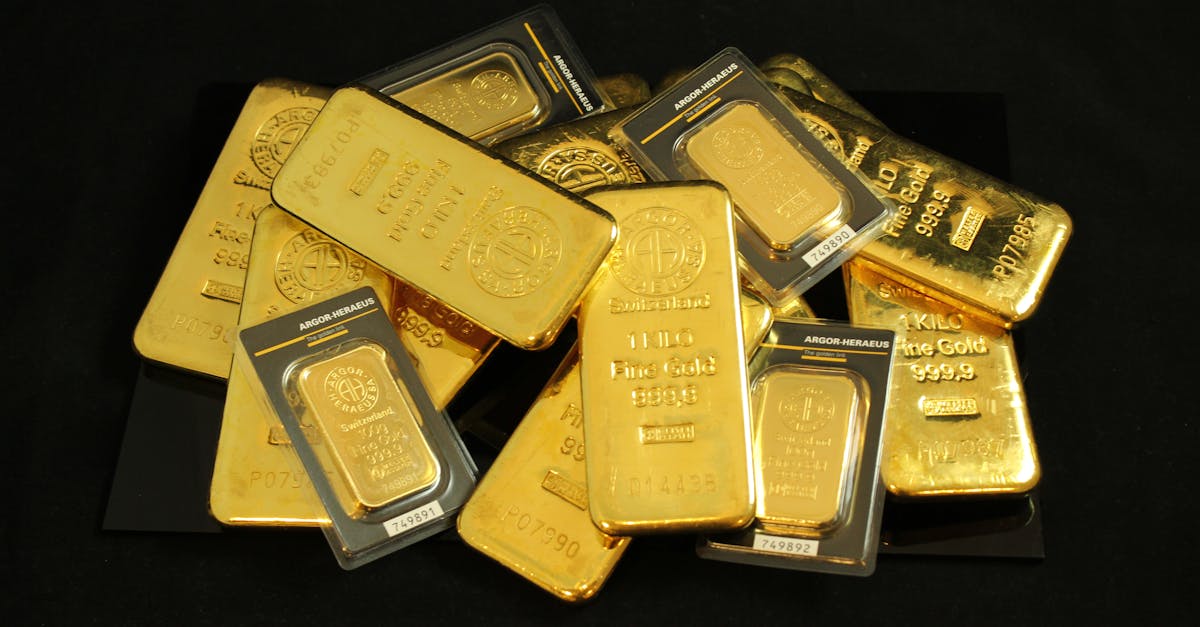
Gold and silver prices climbed to new highs on Monday as tensions grew between the US and Europe over President Donald Trump's tariff threats linked to Greenland. Trump wants Denmark to hand over the territory, and he warned of duties on eight countries unless a deal happens soon. This dispute, which started last week, has markets on edge, with investors turning to safe-haven assets like precious metals.
Background
The trouble started when Trump repeated his interest in buying Greenland, a Danish territory rich in rare earth minerals and strategic location. He gave Denmark until June to agree or face tariffs starting February 1. The countries hit would be Denmark, Germany, France, the UK, Netherlands, Norway, Sweden, and Finland. Tariffs would start at 10% and rise to 25% by June.
Last summer, the EU and US struck a trade deal on a golf course in Scotland. It set a 15% baseline tariff on most EU exports to the US and cut duties to zero on many US goods. That deal eased fears of a bigger trade war. But Trump's new threats over Greenland have put it at risk. The European Parliament now plans to delay a vote on the deal, set for late this month.
Greenland matters because of its resources and position in the Arctic. The US sees it as key for security, especially with Russia and China active nearby. Denmark says no to selling it, calling it a matter of sovereignty. EU leaders back Denmark fully on this.
Key Details
EU ambassadors met in Brussels on Sunday to discuss options. They looked at the Anti-Coercion Instrument, or ACI, a tool from 2023 that lets the EU fight back against economic pressure. Nicknamed the trade bazooka, it has never been used. It allows steps like blocking trade licenses, cutting access to the EU single market, or barring foreign firms from government contracts.
How the Trade Bazooka Works
To activate the ACI, the European Commission starts an investigation, which takes up to four months. Then member states vote, needing 15 countries with 65% of the EU population to approve. If talks fail, countermeasures can start within six months. These could hit US goods like cars and poultry with up to 30% tariffs from a ready €93 billion package. Or target services, like limiting US tech companies from EU deals.
The EU has a list from last year of US services to aim at, given America's surplus in that area. Tech giants with bases in Ireland, like Google and Meta, could lose sales across Europe if licenses get restricted. Public procurement bans might keep US cloud providers out of bids for schools and hospitals.
Sources close to the talks say the EU chose diplomacy first. No immediate ACI trigger. Instead, they want talks with the US. European Council President António Costa called an extraordinary summit for Thursday, January 22.
"We are prepared to defend ourselves against any form of coercion." – António Costa, European Council President
Ursula von der Leyen, European Commission President, warned of a downward spiral from new tariffs. French President Emmanuel Macron pushed for ACI readiness. German Finance Minister Lars Klingbeil said prepare the bazooka if threats become real. Bernd Lange, head of the European Parliament's trade committee, called the tariffs unacceptable.
Markets reacted fast. Gold hit over $2,600 per ounce, its highest in months. Silver topped $32 per ounce. Investors fear a trade war hurting growth, so they buy gold and silver as protection.
What This Means
A full trade clash could raise costs for consumers on both sides. US firms lose EU market access, hurting exports worth billions. EU exporters face higher US tariffs, slowing trade. Tech and auto sectors stand to lose most.
The Greenland row tests NATO ties too. All named countries are allies, except Greenland itself. It could spill into Ukraine aid talks or other issues.
Diplomacy might work. EU sources say Trump often uses big threats to get deals. The summer trade pact shows compromise is possible. But if tariffs hit February 1, expect the €93 billion package to revive quickly.
Gold and silver stay high as watchers wait for the EU summit. Any sign of escalation could push prices higher. Meanwhile, Denmark stands firm, with EU support. The US embassy in Copenhagen had no comment Monday morning.
Leaders from France and Germany talked by phone Sunday night. They agreed to push unity. One diplomat said member states showed full solidarity with Denmark's territorial rights.
If the ACI fires, it marks a big shift. Designed after China's moves on Lithuania in 2021, it's built for cases like this. But using it on the US, a top partner, risks long damage.
Trump spoke at a rally Saturday, saying Greenland is vital for America. He called national debt an Achilles heel but tied tariffs to fixing it. Europe sees this as pure coercion.
Stock markets dipped slightly Monday. US futures fell 0.5%. The euro strengthened against the dollar. Bond yields eased as safe assets gained.
The summit on Thursday will set the tone. Leaders will weigh diplomacy against retaliation. Trump has not backed down yet. His team says tariffs are real unless Greenland talks start.
For now, gold holds near its peak. Silver follows. Traders eye every statement from Brussels and Washington.