Late in 2025, the ice on Lake Lipno in South Bohemia, Czech Republic, turned a bright green. Scientists from the Biology Centre of the Czech Academy of Sciences found large amounts of cyanobacteria trapped under the frozen surface. The bloom happened in mid-winter, which is rare. They collected water samples and studied the site to understand why it occurred. Excess nutrients in the lake from human activities fueled the growth of these organisms, and mild weather kept them active longer than usual.
Background
Lake Lipno sits in a popular area of South Bohemia, used for boating, fishing, and tourism. It has faced problems with too many nutrients for years, a condition called eutrophication. This comes mostly from farm runoff and wastewater carrying phosphorus into the water. Phosphorus acts like fertilizer for cyanobacteria, these blue-green algae that can grow fast.
Normally, these blooms happen in summer and fall when water is warm. They fade by late September in most Czech lakes as days get shorter and cooler. But Lake Lipno stands out. Records show cyanobacteria there stick around into November, and sometimes show up in small numbers through December and January. The lake's size and location help them survive longer.
In late 2025, conditions lined up just right. Weeks of calm weather, little wind, and plenty of sun kept the cyanobacteria near the surface from fall until the lake froze. When ice formed, it was thin and clear in spots. That let people see the green patches from shore and even from the air.
Key Details
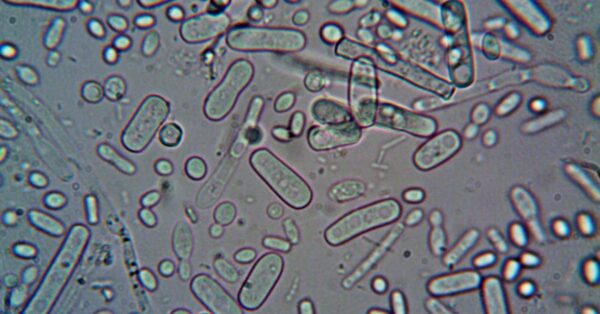
Hydrobiologists visited the lake and took samples from the green ice areas. Under the microscope, they identified the main culprit as Woronichinia naegeliana, a common type in Lake Lipno during warmer months. This species thrives on extra phosphorus.
The green color showed up strongest around Christmas Eve 2025, after a short warm spell melted some ice. When it refroze, something special happened. Clear ice formed over darker clumps of cyanobacteria. These spots, called cyanobacterial eyes, came from how the algae absorbed sunlight differently than the ice. The eyes stayed visible until heavy snow fell at year's end, blocking light and stopping the bloom.
How the Bloom Formed
Step by step, here's what took place. Cyanobacteria grew through autumn as usual but did not sink or die off. Calm conditions kept them floating high. The lake froze with them right below the surface. Sunlight passing through clear ice kept them going a bit longer. The warm spell mixed things up, and refreezing locked in the green look. Snow finally ended it by cutting off light.
Scientists documented everything carefully, with notes, samples, and photos from the ground and air. This makes Lake Lipno one of the best-recorded cases of green ice anywhere. Such winter blooms under ice are rare globally, with only a few reports before this.
"Green ice on Lake Lipno fits into the long-term changes we observe here in connection with eutrophication and ongoing climate change. It suggests that we may witness similar surprises more frequently in the future," says hydrobiologist Petr Znachor from the Biology Centre of the Czech Academy of Sciences.
What This Means
This event points to bigger shifts in lakes like Lipno. Eutrophication has built up over time from nearby farms, towns, and industry. All that phosphorus does not go away fast. Warmer winters from climate change add to it. Mild spells and less wind let blooms last into cold months.
Cyanobacteria can harm fish, plants, and other life in the lake. They make toxins that hurt aquatic animals and can sicken people or pets that touch the water. At Lipno, the bloom stayed under ice, so it did not spread toxins right away. But it shows the lake's balance is off.
Places like this may see blooms year-round soon. In the Czech Republic, other reservoirs could follow Lipno's path. Farther afield, lakes in the US and Europe face the same risks from pollution and warming. Scientists now have solid data from Lipno to track these changes and warn others.
Local officials watch the lake closely each year. They test water and post alerts when blooms get bad in summer. This winter case means they might need to check ice too. Tourists and fishers got a strange view, but it serves as a sign. Lakes need less nutrient input to stay healthy. Efforts to cut phosphorus from farms and sewage could help prevent more green ice.