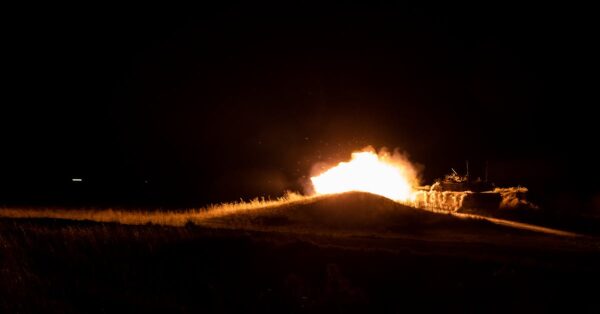
Heavy gunfire and explosions rang out near Diori Hamani International Airport in Niamey, Niger's capital, in the early hours of Thursday. The incident started just before midnight on Wednesday and lasted over an hour, with security sources calling it a terrorist attack on the facility that doubles as an air force base.
Background
Niger has faced ongoing threats from jihadist groups linked to al Qaeda and Islamic State. These groups have carried out attacks across the Sahel region, killing thousands and forcing millions from their homes. In Niger alone, violence tied to these militants took nearly 2,000 lives in 2025.
The country has been under military rule since a coup in July 2023, when junta leader General Abdourahamane Tchani and his allies removed the elected president. The military government expelled French and U.S. troops that had helped fight extremists. U.S. forces left their drone base at the airport in July 2024.
Niger, along with neighbors Burkina Faso and Mali, formed the Alliance of Sahel States. They created a joint force of 5,000 troops to battle jihadists. The airport now hosts headquarters for this group and houses new Turkish drones. Reports also point to Russian soldiers at the site, supporting the junta.
The airport sits about 10 kilometers from the presidential palace. It serves as a main travel hub for Niamey's 1.5 million people. Since late last year, around 1,000 metric tons of uranium yellowcake has been stored there. This powdered uranium came from the Somair mine in northern Niger after the junta took control from French firm Orano. The cargo was meant for export, possibly to a Russian buyer, but got stuck due to disputes and security risks on transport routes through jihadist areas.
Key Details
Local residents first reported sounds of intense gunfire around midnight. Bright flashes lit the night sky, and powerful blasts followed. Videos shared online showed flames rising high and some burned vehicles nearby. Anti-aircraft fire lit up the area, with tracers aimed at what some said were incoming drones.
The shooting went on until about 2 a.m. Sirens from fire trucks headed to the scene in the early morning. No word yet on injuries or deaths. Security around the airport tightened after an internal alert about a possible attack.
By Thursday morning, calm returned to most of Niamey. Shops and schools opened as usual. People moved freely in the city, except near the airport where defenses cordoned off the area. Extra patrols showed up on main roads leading there.
Attack Target and Response
Two security sources described the event as a terrorist strike. They said the uranium stockpile stayed safe. Guards at a post near the airport came under fire from an unidentified armed group. Fighting focused on the military side of the complex, Base 101.
An online activist who backs the military government, Ibrahim Bana, posted a video on Facebook.
"Citizens, take to the streets to defend the nation now."
- Ibrahim Bana, online activist
No comment yet from the junta spokesperson. Witnesses noted heavy gunfire for more than an hour. Social media clips captured the skyline glowing from bursts of fire, though details remain unverified.
What This Means
The airport attack highlights the persistent jihadist danger in Niger. Groups like JNIM, active in the region, may aim to disrupt key sites. The uranium at the airport draws attention as a valuable target amid disputes with foreign firms.
Niger's shift away from Western allies leaves gaps in counter-terror aid. The new ties with Russia and regional partners test their ability to hold off militants. Recent kidnappings, including an American missionary in Niamey last October and foreigners elsewhere, show risks even in the capital.
Stranded uranium complicates exports and fuels tensions. Moving it requires safe paths, but jihadist control in northern areas blocks overland routes to ports like Togo's Lome. French pressure has delayed shipments, leaving the material exposed.
Reinforced security now guards the capital's roads. The incident tests the junta's hold two years after the coup. It comes as the Alliance of Sahel States builds its forces. Nearly 2,000 deaths from jihadist violence last year underline the scale of the fight.
Life in Niamey goes on amid heightened alerts. Schools stay open, markets bustle, but patrols remind residents of the threats. The airport's role in military plans makes it a focal point. Any breach there could signal wider instability.
Junta leaders face pressure to secure borders and assets. Expelling foreign troops shifted reliance to new partners. Russian presence at the base aims to fill that role with drones and support. Yet attacks persist, displacing families and straining resources.
The uranium issue ties into bigger economic stakes. Niger produces much of the world's uranium. Control of mines and exports matters for revenue under military rule. Safe transport remains key to funding defenses.
Residents brace for more incidents. Past assaults hit remote areas, but strikes near the capital raise fears. Security sources note the internal alert prevented worse damage. Calm holds for now, but the region stays on edge.