

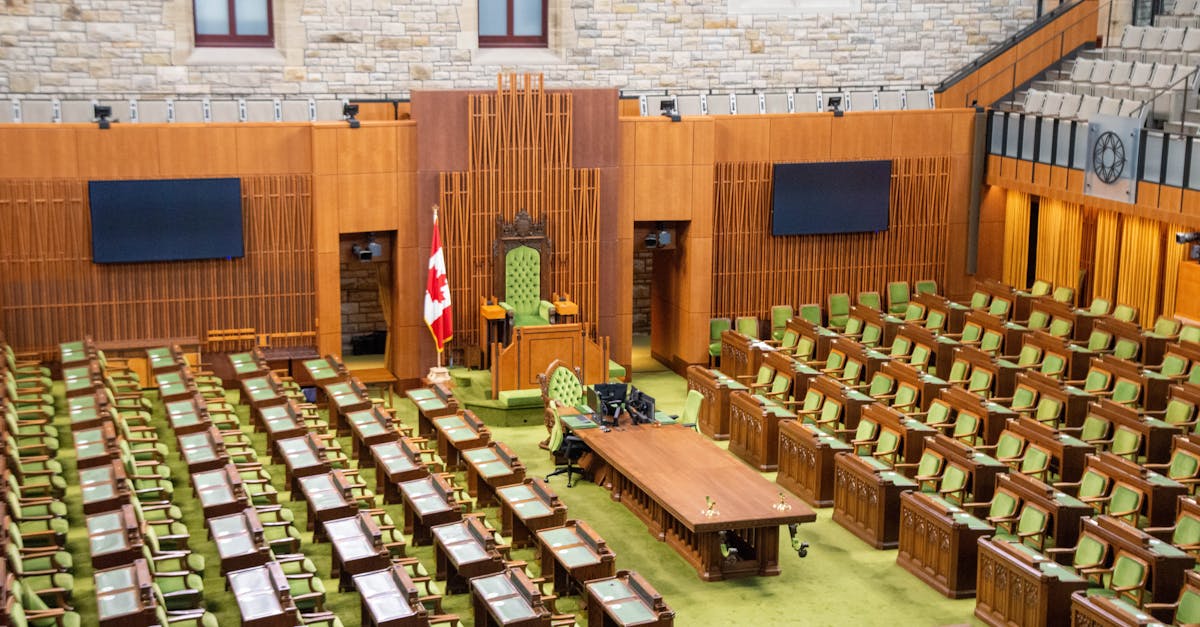
The House of Representatives moved forward Wednesday with a vote to overturn President Donald Trump's tariffs on Canada. This came after Republican leaders failed late Tuesday to pass a rule that would have blocked such votes until after July. The split among Republicans, with three members voting against their party, forced the issue to the floor despite Speaker Mike Johnson's efforts to hold the line.
Background
President Trump imposed tariffs on goods from Canada as part of his trade policy. He used emergency powers under the International Emergency Economic Powers Act to justify the move. These tariffs hit products like steel and aluminum, aiming to protect U.S. industries but drawing fire from businesses and farmers who say they raise costs.
Congress has tried before to challenge these tariffs. Lawmakers from both parties have introduced resolutions to end them. Republicans in charge of the House have used procedural rules to stop these votes. They passed measures last year that blocked action until January 31 and tried again Tuesday to extend the block through July 31. That effort fell short when GOP unity broke.
The tariffs stem from Trump's view that Canada poses economic threats. Critics argue the president oversteps Congress's power on taxes and trade, as laid out in Article I of the Constitution. Public opinion polls show most Americans disapprove of the tariffs, with many seeing them as a tax on consumers.
Democrats have pushed hard on this. Rep. Gregory Meeks of New York led the resolution on Canada tariffs. Rep. Greg Stanton of Arizona has filed similar measures on Mexico and backed bills to limit emergency tariff powers. Senate Democrats have passed some resolutions, setting a bipartisan tone there.
Key Details
Late Tuesday, the House considered a rule that included the tariff block. Three Republicans broke ranks: Rep. Kevin Kiley of California, Rep. Don Bacon of Nebraska, and Rep. Thomas Massie of Kentucky. Their votes with Democrats killed the rule, paving the way for the Meeks resolution.
Kiley said the House should not limit members' rights or boost leadership power over rank-and-file lawmakers. Bacon called tariffs a net negative for the economy, a tax paid by American consumers, manufacturers, and farmers.
“Article I of the Constitution places authority over taxes and tariffs with Congress for a reason, but for too long, we have handed that authority to the executive branch. It’s time for Congress to reclaim that responsibility.” – Rep. Don Bacon
Other Republicans showed unease. Reps. Dan Newhouse of Washington and Zach Nunn of Iowa resisted pressure from leaders like Majority Leader Steve Scalise and Majority Whip Tom Emmer before voting for the rule. Reps. Tom McClintock of California and Jeff Hurd of Colorado have voiced doubts about the tariffs.
The vote on Meeks' resolution is set for Wednesday afternoon. With Republicans holding a slim majority and Democrats united, plus expected GOP defections, passage looks likely. The margin remains the big question.
Broader Tariff Challenges
This opens the door for more votes. Democrats plan resolutions on tariffs for Mexico and Brazil. Stanton slammed the GOP block attempt on the floor, saying Republicans surrender authority to Trump instead of standing up.
The Supreme Court heard arguments last November on whether Trump can use emergency powers for tariffs. A decision is due soon, which could settle the legal fight.
What This Means
A yes vote on the Canada resolution would send a signal that Congress can check the president's trade moves. It would not end the tariffs right away—Trump could veto it, and overriding needs a two-thirds majority. But it puts Republicans on record, testing party loyalty amid business complaints.
Farmers in states like Nebraska and Iowa feel the hit from retaliation by Canada. Manufacturers pass higher costs to buyers. Analysis shows families paid about $1,000 extra last year from these tariffs.
If more GOP members defect, it could lead to votes on other tariffs. Senate action has shown cross-party support before. This fight highlights tensions in the Republican majority, where Trump's agenda clashes with members from trade-heavy districts.
Business groups watch closely. They argue tariffs hurt exports and jobs. Lawmakers like Bacon and Kiley represent areas where trade matters. The vote tests if economic pain sways enough Republicans.
Democrats see bipartisan potential. Meeks said they want to show this as an issue cutting across parties. Americans watch to see if Congress acts on costs at home.
“What we want to show is that really this should be a bipartisan issue. The American people are watching to see what we do on this issue.” – Rep. Gregory Meeks
The House schedule includes this vote amid other pressures, like funding talks for the Department of Homeland Security. A government shutdown looms if no deal comes. But the tariff fight takes center stage today, marking a rare win for challengers to Trump's policy.