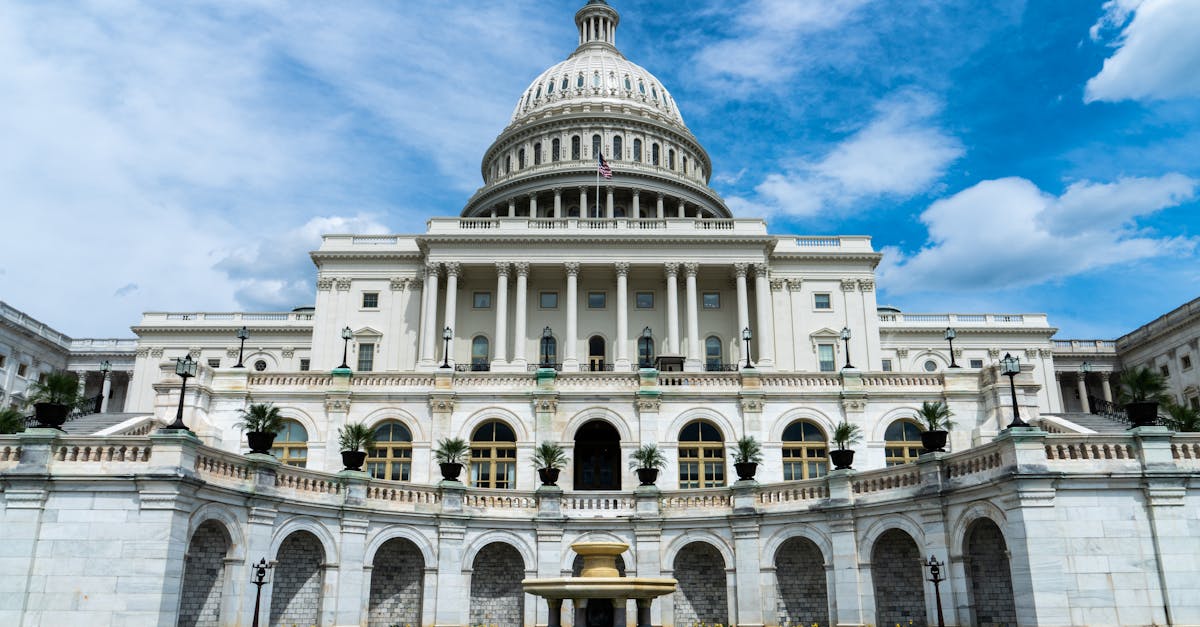
The U.S. House of Representatives voted on Wednesday to rescind President Donald Trump's tariffs on Canada. Six Republicans joined all Democrats in passing the resolution, dealing a blow to White House trade plans after a failed attempt by GOP leaders to block the vote the day before.
Background
President Trump declared a national emergency in February over fentanyl and drug trafficking along the U.S.-Canada border. He used that declaration to impose a 25% tariff on Canadian imports, which he later raised to 35%. The move aimed to pressure Canada on border security, but it quickly hurt trade between the two countries.
Canada is one of America's biggest trading partners. The tariffs have cut U.S. exports to Canada by more than 20% since they started. Farmers in states like Nebraska, Washington, and Iowa have felt the pain as Canadian buyers pull back on U.S. goods. Tourism from Canada to places like Florida and ski resorts has also dropped.
This is not the first pushback. The Senate passed a similar resolution in October, with four moderate Republicans voting yes. The House resolution, H.J. Res. 72, was led by Rep. Gregory Meeks, a Democrat from New York. He first introduced it in March and has argued there is no real emergency at the Canadian border.
House Speaker Mike Johnson tried to stop these votes. On Tuesday, he pushed a rule that would have blocked disapproval resolutions on Trump's tariffs until July 31. That rule failed narrowly, with three Republicans voting no. The next day, three more joined to pass the tariff rescind vote.
The Supreme Court is now looking at whether Trump can use the 1977 International Emergency Economic Powers Act for these tariffs. Justices seemed doubtful during arguments in November about its constitutionality.
Key Details
The House vote passed with six Republicans crossing party lines: Reps. Don Bacon of Nebraska, Kevin Kiley of California, Thomas Massie of Kentucky, Brian Fitzpatrick of Pennsylvania, Dan Newhouse of Washington, and Jeff Hurd of Colorado. All Democrats supported it.
Republicans from farm states led the charge. Nebraska ships a lot of goods north, and Bacon said the tariffs are costing his district jobs and contracts.
"We’re paying for it economically," Rep. Don Bacon said. "Why doesn’t Congress stand up on its own two feet and say that we’re an independent branch and this is an Article 1 responsibility?"
Newhouse, whose state relies on trade with Canada for apples, cherries, and other farm products, called Canada a key partner.
"Canada is a very important trading partner for my state," Rep. Dan Newhouse said ahead of the vote.
Kiley opposed the speaker's rule on Tuesday because it limited members' ability to bring privileged resolutions to the floor. He saw it as leadership grabbing too much power.
Economic Impact
U.S. tariffs on Canadian goods jumped from 0.1% to 3.7% after the emergency declaration. Canadian retaliation has hit U.S. exporters hard. Monthly goods exports to Canada fell 21.5%. Border towns, tourism spots, and manufacturers report losses.
White House officials saw the defections coming. They focused on making sure Congress could not get the two-thirds majority needed to override a veto. One official called the vote symbolic since Trump will almost certainly reject it.
Not all Republicans agreed. Rep. Victoria Spartz spoke against the resolution, pointing to Canada's policies on Russia and drug flows.
What This Means
The vote shows cracks in Republican support for Trump's tariff strategy. He has used tariffs on Canada, China, and others to push manufacturing back home and force talks with foreign leaders. But lawmakers from trade-dependent areas are pushing back.
For farmers, the tariffs mean higher costs and lost markets. Iowa's Rep. Ashley Hinson, running for Senate, said she was still thinking it over. Districts with big ag exports face tough choices in an election year.
If the resolution goes back to the Senate, Majority Leader John Thune will decide if it moves forward. Even with a veto, this forces public debate on Congress's role in trade. Groups like the National Taxpayers Union back ending the emergency, saying trade with Canada should be tariff-free.
Trump's team knows most GOP voters back him, but they are talking to members to hold the House majority. The vote opens the door for more challenges to his emergency powers. Lawmakers want a say in tariffs, seeing it as their job under the Constitution.
This fight ties into bigger questions. Can the president declare emergencies for trade fights? Will more Republicans split on future tariffs? Farmers and businesses watch closely as talks with Canada stall.
House Republicans now face pressure from both sides. Leadership wanted unity, but members from border and farm states put local needs first. The veto will keep tariffs in place for now, but the momentum could grow if economic pain continues.
Trump has threatened more levies on other countries. Congress may test those too if they see chances to win. For Canada, the vote is a sign U.S. politics could shift the pressure back to talks over penalties.