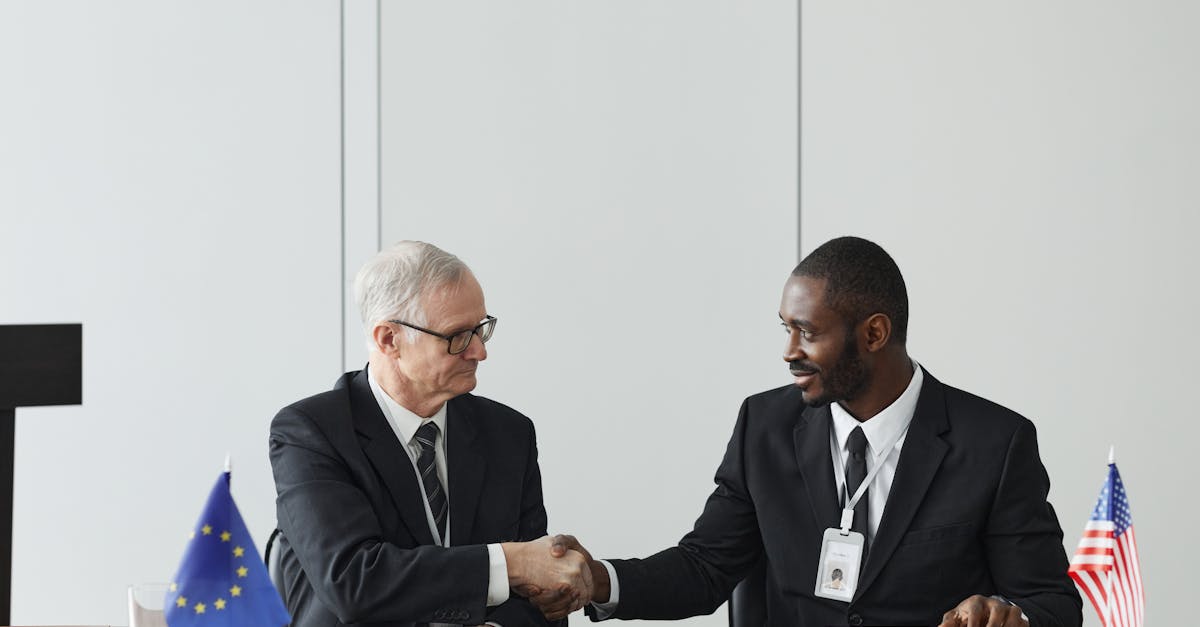
India and the European Union have agreed to a free trade deal that removes tariffs on almost all goods between them. The two sides worked for years to reach this point, aiming to boost trade and make business easier. Officials signed off on the agreement this week after long talks in Brussels and New Delhi.
Background
Trade between India and the EU has grown steadily over the past decade. Last year, the two sides exchanged goods worth hundreds of billions of euros. But high tariffs blocked many products from entering each market. India charges duties above 16% on average for industrial goods from Europe. The EU faces barriers on farm items and services from India.
Talks for this deal started back in 2007 but stalled several times. Negotiators picked up again in 2022 after both sides saw the need for stronger ties. India wanted better access for its textiles, drugs, and fish. The EU pushed for openings in cars, machinery, wine, and cheese. Leaders from both places met often, including at summits, to push things forward.
The deal comes at a time when global trade faces headwinds from conflicts and supply chain issues. India has signed pacts with the UK and others recently. The EU has deals with Japan, Canada, and more. This one stands out for its size and the changes it brings to daily business.
Key Details
The agreement covers tariffs, rules for goods, customs, and green goals. Both sides will cut duties on over 90% of product lines. For the EU, that means 91% of trade value gets tariff-free access. India opens 93% of its value. Together, they cover nearly all trade at 99% for the EU and 96% for India.
Tariff Cuts on Key Goods
India will drop high taxes on EU industrial products. Chemicals face duties up to 22% now; most go away right when the deal starts. Cosmetics get the same treatment after five or seven years. Plastics follow over seven years. Car parts see cuts after five to ten years.
Textiles and clothes from Europe get most tariffs removed at once. Ceramics and boats too. Machinery splits: half right away, the rest up to ten years.
On food, the EU gains entry for olive oil, now taxed up to 45%. That drops to zero at start or after five years. Fruit juices and non-alcoholic beer, taxed up to 55%, go free in five years. Chocolates, pasta, bread, and pet food lose their 33% duties soon. Sheep meat follows over time.
Wine and spirits get a special group to share info and work on standards. Fruits like grapes and cucumbers have limits to protect EU farmers.
India benefits in fisheries, textiles, shoes, chemicals, and drugs. Its exports face fewer blocks.
Other Rules
Customs rules speed up trade. Companies get clear info, fast approvals, and less paperwork. Goods move quicker through borders with better checks for safety and fakes.
Rules of origin make sure only goods made mostly in India or the EU get the breaks. This stops third countries from sneaking in.
The deal touches services, buying rules, and worker rights. It sets standards for fair trade and growth for small firms.
"This agreement opens doors for our farmers, makers, and traders that were shut for years," said Maria Gonzalez, EU trade official.
What This Means
EU car makers stand to gain big from India's car tariff cuts to 40%. Right now, duties hit 100% or more on many models. Lower rates mean more sales of European vehicles in India's growing market. Chemical firms see quick wins as barriers fall.
Indian textile workers and drug companies get steady access to EU buyers. Fish from India reaches more tables without extra costs.
Farmers on both sides see mixed results. EU wine growers and cheese makers expand. But protections stay for milk, beef, rice, and sugar. India keeps shields on its rice and wheat.
Businesses save on costs. Faster customs cut delays that add days or weeks to shipments. Small companies get help to join the trade.
Green parts push clean energy and less waste. Both sides work on cutting ship emissions and saving forests. This ties trade to climate action.
Trade volumes could double in a few years. Jobs grow in export sectors. Supply chains link Europe and India closer, pulling in parts from each other.
Countries watch closely. The US may see shifts in how India buys cars and tech. Other Asian nations eye their own deals.
The pact now goes to lawmakers for approval. That takes months. Once in force, changes roll out over years as tariffs phase down. Companies plan now for new markets.