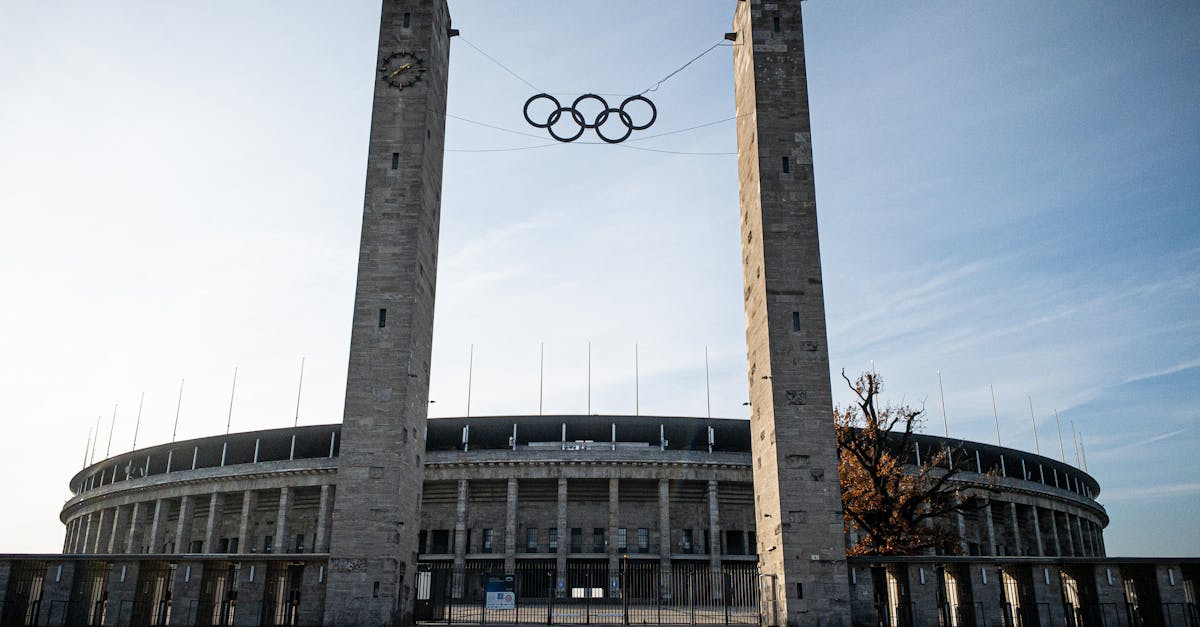
The International Olympic Committee has drawn sharp criticism for selling a T-shirt that features artwork from the 1936 Berlin Summer Olympics, an event held under Adolf Hitler's Nazi regime. The shirt, part of the IOC's Heritage Collection, sold out fast in its online store as the 2026 Milano Cortina Winter Olympics got under way this month.
Background
The 1936 Olympics in Berlin hold a dark place in history. Germany won the bid to host both the Winter Games in Garmisch-Partenkirchen and the Summer Games in Berlin back in 1931, long before the Nazis took power. But by 1933, Hitler was chancellor, and his government quickly moved to control sports and society.
Jews faced bans from German athletic clubs, sports facilities, and organizations that April. The regime stripped Jews of voting rights in March 1936, right after the Winter Games ended. Heinrich Himmler became head of German police in June, just before the Summer Games started on August 1.
To put on a good show for the world, Nazi leaders hid their worst actions for a short time. They took down anti-Jewish signs in Berlin and eased some restrictions on Jews during the event. This let them present Germany as peaceful and welcoming to the 4,483 athletes from 49 countries who came to compete.
The Games served as a stage for Nazi propaganda. Joseph Goebbels, the propaganda minister, used them to show off an image of a strong, unified Germany. The event included the first Olympic torch relay, which became a lasting tradition. But beneath the surface, the Nazis built concentration camps and planned more aggression.
One athlete stood out: Helene Mayer, a fencer with a Jewish father. The Nazis let her compete for Germany to calm international worries. She took home a silver medal but had to give the Nazi salute on the podium. She was the only Jewish athlete on the German team. In all, nine Jewish athletes won medals at those Games, including five from Hungary.
Key Details
The T-shirt at the center of this row shows a design pulled straight from a 1936 Olympic poster by artist Franz Wurbel. It pictures a man with a laurel wreath under the five Olympic rings. Above the Brandenburg Gate sits a quadriga, a chariot pulled by horses, with a figure holding a spear topped by an eagle. That eagle looks much like the one used in Nazi symbols.
The shirt lists the dates, August 1-16, 1936, and Berlin as the host city. It sits in the IOC's Heritage Collection, which has T-shirts for every modern Olympics edition. The idea is to mark the styles and designs from each Games.
Word of the shirt spread through German media and political circles. Groups like the Greens in Berlin said it makes the 1936 Games look like any other old sports event. They point out how the design carries the look of Nazi-era art, with its focus on strong figures and classic symbols. Selling it without notes on the history, they say, cleans up the past.
The shirt sold out in hours on the IOC website. That quick sell-out happened right as eyes turned to the 2026 Winter Olympics in Italy, where themes of peace and unity take center stage.
IOC Response
The IOC pushed back on the complaints. They noted the troubled history of the 1936 Games but stood by the shirt. Their main point: it honors the athletes who took part, not the hosts. The Heritage Collection, they say, keeps a record of all Olympic designs over time, good and bad.
"This T-shirt is part of our Heritage Collection, which celebrates the styles from all editions of the Games, including the athletes from 49 countries who competed in Berlin." – IOC spokesperson
What This Means
This flap highlights how the Olympics still grapple with their past. The 1936 Games live on in Olympic traditions like the torch relay, but they also remind people of how sports can mix with politics. Critics worry that items like this T-shirt let buyers forget the full story. Without context on the shop page, some see it as turning painful history into just another product.
Sales from the collection help fund Olympic programs today. But the backlash shows not everyone sees value in revisiting every Games the same way. German lawmakers and Jewish groups have called for the IOC to pull the shirt or add clear warnings about 1936.
The IOC has not said if it will change anything. For now, the shirt stays listed as out of stock, with no new stock date given. This comes amid other issues at the 2026 Games, like rules on athlete gear and medals, but the T-shirt row stands out for its link to World War Two history.
As Olympics fans buy gear to support current athletes, this case raises questions about where to draw lines on past events. Groups pushing back hope it leads to more care in how Olympic history gets shared. The full impact may show in how the IOC handles similar items down the line.