Iranian security forces killed thousands of protesters and bystanders in a sweeping crackdown that began on January 8, 2026, after demonstrations erupted across the country starting December 28, 2025. The protests, which started in Tehran and quickly spread to other cities, challenged the government over economic woes, repression, and calls for change. The violent response marked one of the deadliest episodes since the 1979 Islamic Revolution.
Background
The protests kicked off on December 28, 2025, in Tehran, Iran's capital. People took to the streets over rising prices, job losses, and long-standing grievances against the regime. Within days, the unrest grew into the biggest threat to the government since the Woman, Life, Freedom movement in 2022-23 and the 2009 election protests.
Demonstrators gathered in cities like Isfahan, Shiraz, and Tabriz. They burned government buildings in some places and clashed with police. Exiled opposition figure Reza Pahlavi called for nationwide action, which seemed to fuel the spread. By early January, the government faced pressure from both inside and fears of outside meddling.
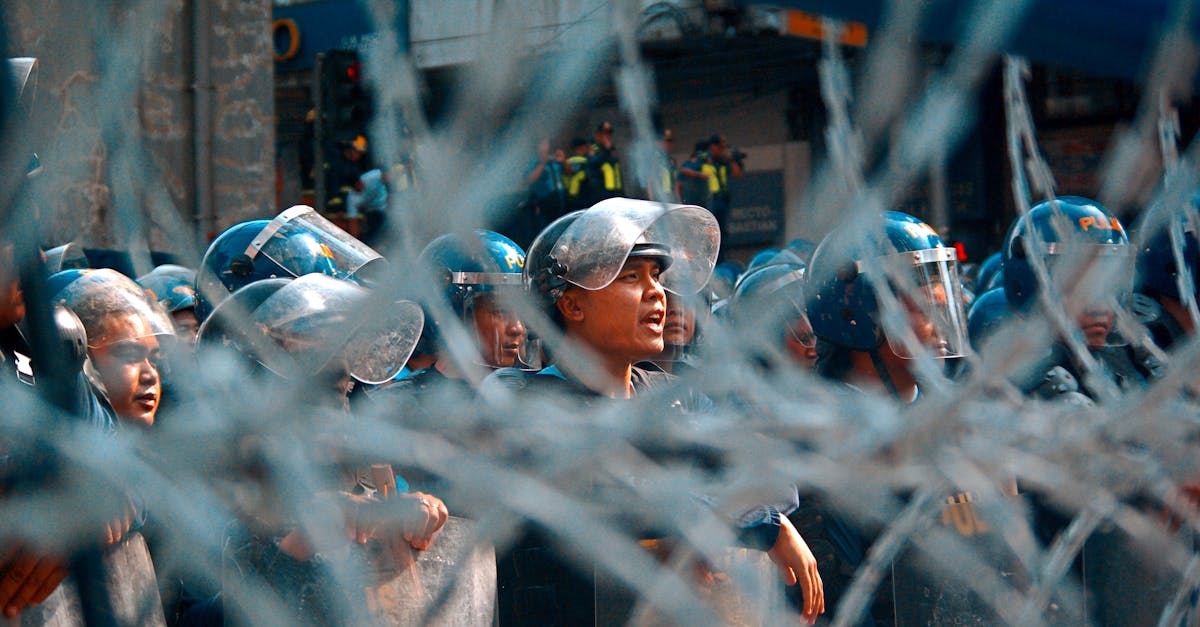
At first, officials tried a softer approach, promising talks. But as crowds swelled and some turned violent, the tone shifted. On January 8, security forces launched a full-scale operation. They used rifles, shotguns with metal pellets, and other weapons. Forces included the Islamic Revolutionary Guard Corps (IRGC), Basij militias, police, and plain-clothes agents positioned on streets, rooftops, and buildings.
The crackdown hit hardest on January 8 and 9. Protesters faced gunfire aimed at heads and chests. Videos and witness accounts show bodies in streets, people shot while fleeing, and forces firing from high points. This came amid reports of isolated attacks on government sites by some protesters, though most were peaceful gatherings.
Key Details
Death toll figures vary widely. Iran's government claims around 3,000 deaths, with a list of 2,986 names released later. But independent counts paint a grimmer picture. One tally from citizen reports and family testimonies lists over 6,600 confirmed deaths, with leaks suggesting at least 36,500 killed in the first two days alone. Health ministry insiders reportedly put the initial 48-hour figure at 30,000.
The UN Special Rapporteur on Iran estimated at least 5,000 dead, possibly up to 20,000 based on medical sources. Supreme Leader Ali Khamenei spoke of 'thousands' killed. Even state media admitted the number reached thousands.
Arrests and Detentions
Tens of thousands faced arrest. State reports say thousands detained, but other accounts point to far higher numbers, including children as young as 14. Many vanished into incommunicado detention, raising fears of torture. Families report pressure to stay silent or claim relatives were Basij members to get bodies back.
Nighttime curfews hit major cities after January 9. Armed patrols and checkpoints filled streets. Bodies are still returned to families weeks later, and dozens remain missing. Unidentified corpses pile up in some morgues.
An internet blackout started January 8, cutting off communication. This hid the scale of events and stopped people from sharing videos or news. Despite this, some footage leaked out showing the shootings.
“It’s collective punishment. They are targeting not just protesters but entire families and neighborhoods.” – A relative of a victim in Tehran
Security forces lost at least 121 members, per state media. Some videos show protesters fighting back, but most evidence points to one-sided force against crowds.
What This Means
The crackdown has quieted large protests for now. Curfews and patrols keep streets empty at night. But anger simmers over the same issues: poverty, corruption, and demands to end the Islamic Republic system.
Families live in fear. Many hide evidence of deaths to avoid reprisals. The internet shutdown drags on, making it hard to track new arrests or abuses. Bodies returned late mean ongoing trauma for survivors.
This event dwarfs past unrest. The 2022 protests and 2019 fuel riots saw hundreds killed. Now, the numbers suggest a turning point. Government lists have errors, like repeated names, showing chaos in their response.
Outside eyes watch closely. Past impunity for killings fuels today's cycle. Protesters' calls for regime change echo louder, even if streets are calm. Missing people and hidden graves mean the full story may take months to emerge.
Documentation efforts continue. Maps and lists of victims grow daily from smuggled reports. As bodies return and witnesses speak quietly, pressure builds on the regime to account for the blood spilled in those two days.
The scale draws comparisons to dark history. Observers call it Iran's worst repression ever, with gunfire deaths unmatched since 1979. Grievances persist, and small gatherings pop up despite risks. The government holds power, but trust erodes further among its people.