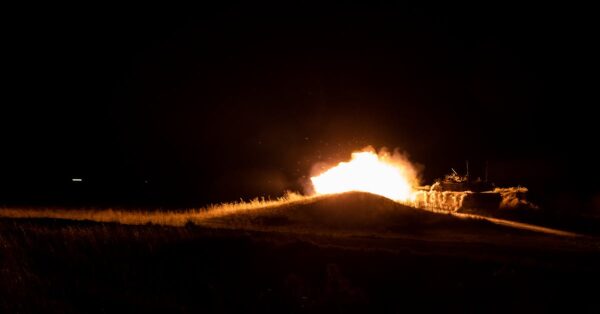
Israeli forces launched strikes across Gaza on Wednesday, killing at least 24 Palestinians, after militants fired on troops in the northern part of the strip. The Israeli military said soldiers from the Alexandroni Brigade came under fire while operating near the yellow line that separates areas controlled by Hamas from Israeli positions. One reservist was seriously wounded in the attack, which the IDF called a clear violation of the current ceasefire. Tanks fired back at the gunmen, and airstrikes hit multiple targets in response.
Palestinian sources reported deaths in several areas. In northern Gaza, where the initial clash happened, at least nine people died, with some accounts putting the number as high as 20. Three others were killed by Israeli artillery in Gaza City's eastern Tufa neighborhood. Another three died in shelling in the Zetun area, and three more in a strike in southern Gaza's Khan Yunis region. Many of those killed were women and children, including a five-month-old infant in one incident.
Background
The strikes come amid a shaky ceasefire in Gaza that has held in phases but faces growing strain. This ceasefire is part of a larger deal tied to hostage releases and steps toward Gaza's reconstruction. Earlier phases saw hostages freed and some aid allowed in, but phase two involves handing administrative control from Hamas to a new body set up by the US and partners. That includes disarming Hamas fully before any major rebuilding starts.
Israel's Prime Minister Benjamin Netanyahu has made clear his stance. He met with US envoy Steve Witkoff recently and stressed that Hamas must be disarmed completely. Netanyahu also said the Palestinian Authority will have no role in governing Gaza. These positions come as talks continue on the strip's future, with Israel insisting on security first.
The Rafah crossing with Egypt reopened this week, marking the first real move in phase two. It allows people to cross back into Gaza but no goods yet, under tight security to stop arms smuggling. Israel seized control of Rafah in 2024 to block Hamas weapons flows, and the reopening is seen as a gesture from Netanyahu's government now that its position in Gaza feels more secure than at any point since the October 7, 2023, Hamas attack.
Tensions run high on other fronts too. US-Iran nuclear talks shifted to Oman after a drone incident near the USS Abraham Lincoln. Netanyahu warned that Iran cannot be trusted. Israeli forces also arrested weapons smugglers on the Negev border, and a nationwide farmers' strike has led supermarkets to limit dairy purchases.
Key Details
The sequence of events unfolded overnight into Wednesday morning. IDF troops were on the Israeli side of the yellow line in northern Gaza when gunmen opened fire. The military responded immediately with tank fire on the attackers. Airstrikes followed on Hamas targets in the area.
Casualty Reports
Palestinian health officials gave varying numbers but agreed on heavy losses. Northern Gaza saw the most deaths from the initial response strikes. Gaza City and Khan Yunis strikes added to the toll. Reports highlighted civilian casualties, with families hit in residential zones.
"This was a blatant violation of the current ceasefire," an IDF spokesperson said.
The wounded reservist was evacuated for treatment. No other Israeli casualties were reported in the clash.
Rafah's reopening happened alongside this violence. Hundreds of Palestinians crossed back, but checks are strict. Goods remain blocked to prevent smuggling. This mix of aid steps and military action shows the tightrope of the ceasefire.
Hamas has sent internal documents to its Gaza officials outlining plans to hold onto power, despite US-led efforts to dismantle the group. Leadership wants to keep civilian and military control even as a new government forms.
What This Means
These strikes test the ceasefire's limits. Israel sees militant fire as a direct threat that demands a hard response, even if it risks more deaths and anger. Palestinian groups view the strikes as overreach, hitting civilians far from the initial fight. The death toll, especially among non-combatants, could fuel protests and harden positions.
For Gaza's future, the incident highlights hurdles to phase two. Disarming Hamas and shifting control need trust, which this erodes. Netanyahu's meetings with Witkoff underline US involvement, but Iran's role as Hamas backer complicates things. Talks in Oman may tie into this, as regional powers watch closely.
Reopening Rafah is a positive signal, letting families return. But no goods mean aid shortages persist. Israel's secure foothold lets it push terms, but ongoing attacks from militants keep troops on edge. Farmers' strikes at home add domestic pressure, pulling focus from Gaza.
Ultra-Orthodox yeshiva students signing up for IDF service show shifting attitudes in Israel. Joint US-Israeli naval drills in the Red Sea signal readiness beyond Gaza. Netanyahu told the Knesset that more tests lie ahead, but Israel is prepared.
"More testing awaits us, but we are vigilant and prepared for any development," Netanyahu said in an address.
The path to lasting calm depends on enforcing the ceasefire while advancing governance changes. Militant groups testing boundaries could spark wider clashes. US pressure for a deal grows, but Iran's stalling tactics and Hamas plans to cling to power make progress slow. Gaza residents caught in between face daily risks amid these high-stakes moves.