NASA's Crew-11 astronauts will leave the International Space Station on Wednesday afternoon, January 14, due to a medical issue with one crew member. This marks the first medical evacuation from the ISS in its history. The crew arrived at the station in August 2025 and planned to stay longer, but the problem started on January 7 and led to a decision on January 8 to bring them home early.
Background
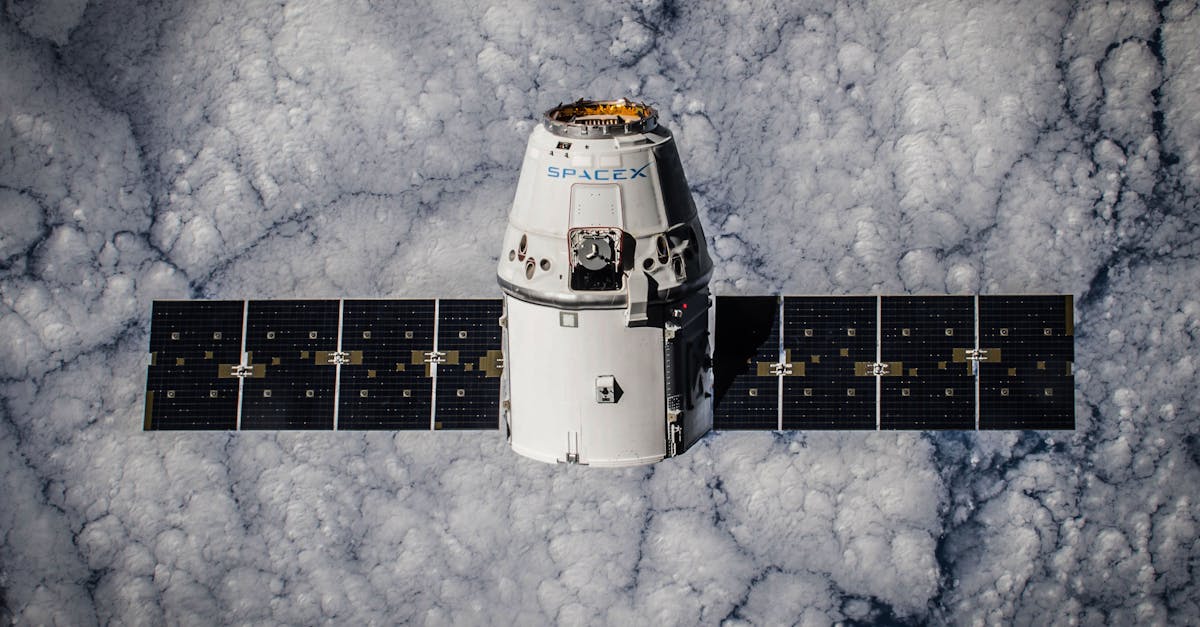
The International Space Station has hosted crews for over 25 years without needing to send anyone back early for health reasons. Crew-11 launched on a SpaceX Dragon spacecraft named Endeavour and docked with the ISS last summer. The four astronauts aboard were Mike Fincke, Zena Cardman, Kimiya Yui from Japan, and Oleg Platonov from Russia. They joined three others already there: Sergey Kud-Sverchkov and Sergei Mikaev from Russia, and Chris Williams from NASA.
On January 7, one Crew-11 astronaut faced a medical problem. NASA kept details private to protect the person's privacy. The issue was serious enough to cancel a spacewalk planned for January 8. Agency leaders, including the chief health officer, talked it over and decided on January 8 to end the mission early. NASA Administrator Jared Isaacman called it a serious condition but said the astronaut is now stable.
The station normally keeps seven people working on experiments, maintenance, and daily tasks. Crews overlap to make sure nothing falls behind. This time, the early exit will leave just three astronauts: Kud-Sverchkov, Mikaev, and Williams. Williams will be the only American left up there.
On January 12, Mike Fincke handed over command of the station to Sergey Kud-Sverchkov in a change-of-command ceremony. Fincke called the moment bittersweet as the crew packs up to go.
Key Details
Crew and Timeline
Crew-11 consists of commander Zena Cardman, Mike Fincke, Kimiya Yui, and Oleg Platonov. They tested their pressure suits and started packing gear this week. The SpaceX Dragon Endeavour is ready for the trip home.
The departure is set for no earlier than 5 p.m. EST on Wednesday, January 14. Coverage starts at 3 p.m. EST. After undocking, the capsule will take about 11 hours to reenter Earth's atmosphere. Splashdown is targeted for early Thursday, January 15, around 3:40 a.m. EST in the Pacific Ocean off Southern California. Recovery teams from NASA and SpaceX will be waiting, depending on weather.
The return follows standard SpaceX procedures, even though it's a medical evac. No special help is needed for the astronaut during the flight.
Station Operations After Departure
The remaining three will handle all station work. NASA says they can manage, though it's not ideal. Research and upkeep will continue, but with fewer hands. New crews are due later to bring numbers back up.
"Everyone on board is stable, safe, and well cared for. This was a deliberate decision to allow the right medical evaluations to happen on the ground where the full range of diagnostic capability exists."
- NASA official during a briefing
What This Means
This evacuation sets a new mark in spaceflight history. It shows NASA will act fast to protect crew health, even if it means changing long-planned missions. Ground doctors can run tests and provide care that is not possible 250 miles up in orbit.
The shorter overlap on the ISS could slow some experiments or repairs. The three left behind face extra work. Williams, as the only NASA astronaut, will coordinate with mission control in Houston.
SpaceX proved its Dragon can handle an unplanned return. The company said the spacecraft is fully prepared. This builds trust in commercial crew vehicles for emergencies.
For the astronaut with the issue, home means better treatment options. NASA stressed privacy, so no name or exact problem was shared. The crew trained for this kind of event, though no one hoped to use it.
Long-term, space agencies may review health monitoring. Microgravity causes issues like muscle loss, vision changes, and radiation effects. A case like this could lead to better tools or protocols on the station.
The ISS keeps running as a hub for science from many countries. Over 3,000 experiments have run there, from growing food to studying bones. This event does not stop that work.
Crew-11's early end cuts their time short by about a month. They still logged months of results. Cardman, Fincke, Yui, and Platonov will debrief after landing and share what they learned.
Recovery ships will pick them up from the water. Medical teams will check everyone right away. Then, the astronauts head to Houston for rest and review.
This story highlights the risks of long space stays. Even with top training and gear, health can change fast. NASA and partners learned from past issues but faced something new here.
The station's future includes more private missions and plans for replacement stations. Events like this test how ready everyone is for deeper space travel, like to the Moon or Mars.