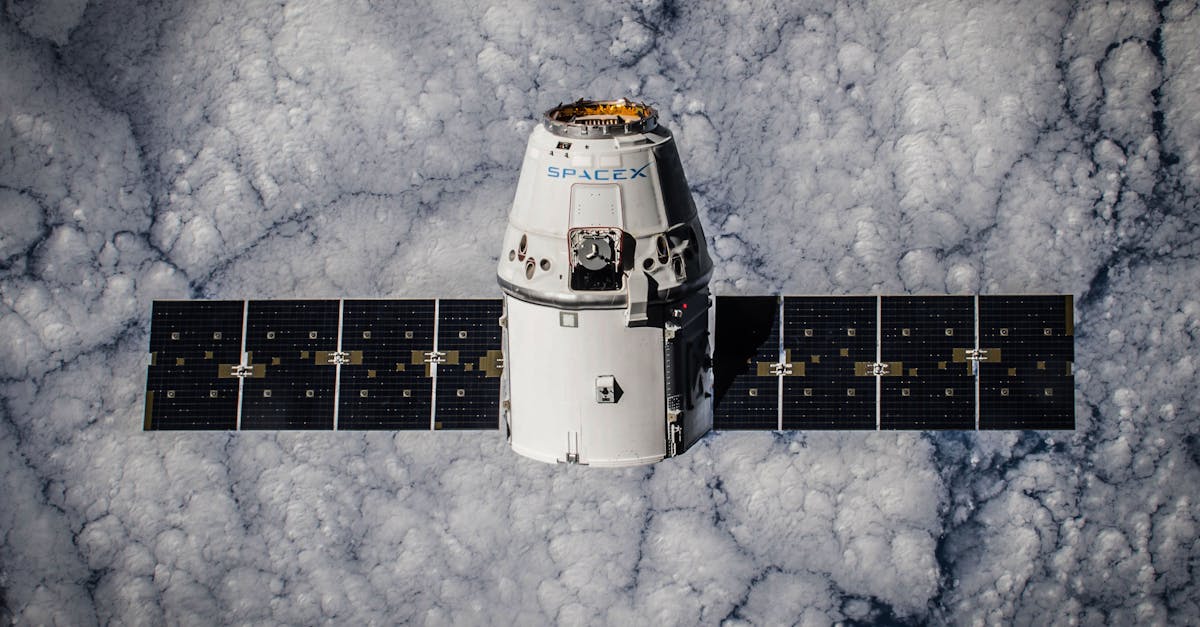
Four astronauts aboard the International Space Station are packing up and getting ready to head home early. One of them faced a medical problem on January 7, leading NASA to call for their return on the SpaceX Dragon capsule. They plan to undock on Wednesday, January 14, and splash down in the Pacific Ocean off Southern California early Thursday, January 15. This marks the first medical evacuation from the ISS since it launched over two decades ago.
Background
The International Space Station orbits about 250 miles above Earth, home to crews from NASA, Russia, Japan, and other partners. Right now, seven people live and work there. The Crew-11 team arrived in August 2025 for what was supposed to be a five-month stay. They planned to leave in late February but cut that short after the medical issue popped up.
Crew-11 includes NASA commander Zena Cardman, NASA astronaut Edward Fincke, Japan's Kimiya Yui, and Russia's Oleg Platonov. They joined three others who got there in late November: Roscosmos cosmonauts Sergey Kud-Sverchkov and Sergei Mikaev, plus NASA astronaut Chris Williams. On January 12, Kud-Sverchkov took over as station commander from Cardman in a change-of-command ceremony. This sets things up for Crew-11 to depart while the remaining three finish their six-month mission.
NASA first learned of the problem on January 7. By January 8, they decided with international partners to bring the whole Crew-11 team back. The astronaut with the issue is stable now. NASA keeps the name private to protect medical details. Officials say the person does not need extra help for the trip home. The return will follow standard SpaceX steps for undocking, reentry, and splashdown.
This is not the first health scare in space for NASA. Past missions saw issues like heart problems or vision changes, but none led to cutting a full crew's stay short like this.
Key Details
Crew Preparation and Timeline
The Crew-11 astronauts spent recent days testing their spacesuits and packing gear. SpaceX confirmed its Dragon capsule, named Endeavour, is ready. NASA set the undocking for no earlier than 5 p.m. ET on January 14. After that, the capsule will fire engines to deorbit. Splashdown is targeted for early January 15 off Southern California, weather permitting.
Recovery teams wait on ships and planes nearby. They will pull the astronauts from the water, check them over, and fly them to medical facilities. The trip home takes about 11 hours from undock to landing, longer than an emergency but safe for the patient's condition.
"Aside from the early departure from the space station, Crew-11's return to Earth would follow SpaceX's normal undocking and reentry procedures."
— NASA Administrator Jared Isaacman, January 8
The station will keep running smoothly with the three crew left behind. They handle daily tasks like maintenance, experiments, and resupply prep. No big operations get disrupted.
The Medical Issue
Details on the condition stay limited. NASA says it is not an injury and happened before a planned spacewalk. Doctors on the ground reviewed scans and tests sent from the ISS. They chose a controlled return for better care on Earth. The astronaut can move around and join normal pre-return checks.
Former astronauts spoke out about the rarity of this step. They note space brings risks like radiation, microgravity effects on bones and fluids, and isolation stress. Missions train for health events, but bringing a whole crew back together keeps the group intact and shares resources.
What This Means
This evacuation shows NASA's focus on crew safety above all. Ending a mission a month early means some science work stops or shifts to the remaining team. Experiments on biology, materials, and tech might wrap up faster or wait for the next crew.
The ISS schedule stays on track overall. A new team arrives soon to replace Crew-11 fully. This event does not touch bigger plans like Artemis 2, NASA's moon mission later this year. SpaceX Dragon has flown dozens of times without issue, building trust in its reliability even for medical returns.
For the astronauts, home means family reunions and doctor visits. The affected one gets full treatment planetside. Ground teams learn from this to improve future care, like better remote diagnostics or onboard tools.
International ties hold strong. The command shift to a Russian cosmonaut highlights smooth handoffs despite Earth tensions. Russia and the U.S. plan joint missions through 2030.
Space health remains a key challenge. Long stays test bodies hard—muscle loss, bone thinning, eye strain from fluid shifts. NASA studies these for Mars trips ahead. This case adds real data on handling problems far from help.
Crew-11's early exit wraps a busy stint. They ran over 200 experiments, fixed gear, and hosted visitors. Their story reminds everyone of space's harsh side, even in routine operations.