

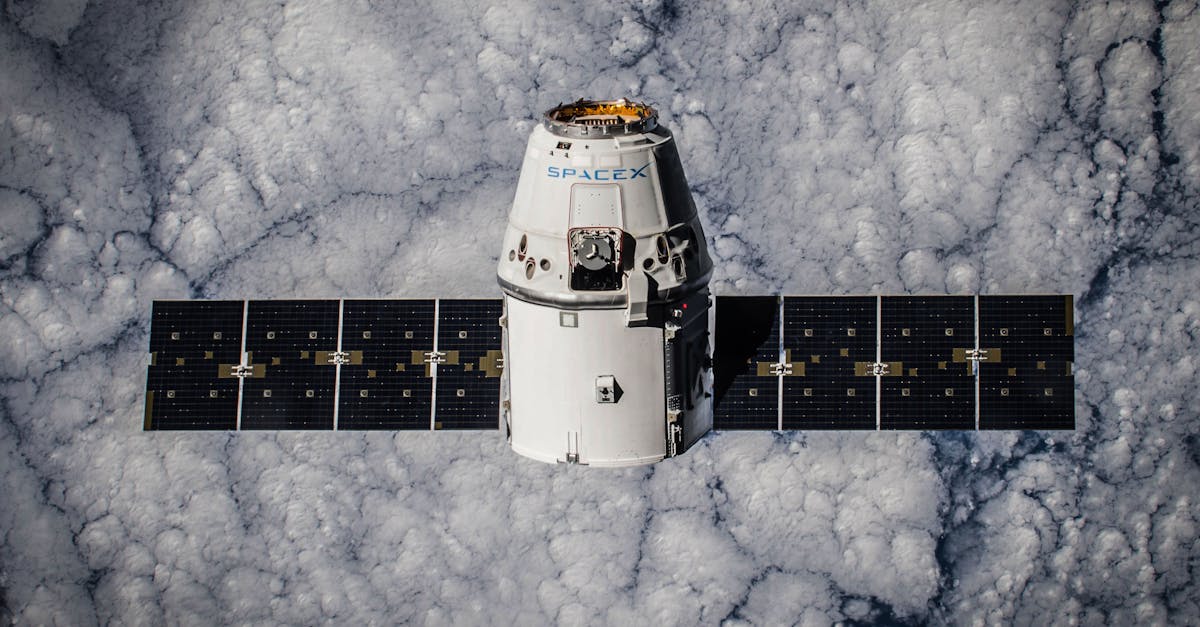
Four astronauts aboard the International Space Station are set to leave on Wednesday in a SpaceX Dragon capsule for the first medical evacuation from the station. The Crew-11 team, which includes NASA astronauts Zena Cardman and Mike Fincke, Japan's Kimiya Yui, and Russia's Oleg Platonov, will undock on Jan. 14 after one member fell ill on Jan. 7. NASA made the call on Jan. 8 to bring them home early for better care on Earth, cutting their six-month stay short by about a month. They plan to splash down off California on Jan. 15.
Background
The International Space Station has hosted crews from NASA, Russia, Japan, and other partners for over two decades. Right now, seven people live and work there. Crew-11 arrived in late November for a standard six-month run. They joined three others already on board: Russian cosmonauts Sergey Kud-Sverchkov and Sergei Mikaev, plus NASA astronaut Chris Williams. These three will stay to finish their mission.
Things changed on Jan. 7 when one Crew-11 astronaut got sick. NASA would not say who or what the problem was, to protect privacy. Officials checked the person and found they were stable. Still, they decided the station could not handle the right tests or fixes. So, they picked a controlled return for the whole crew of four. This marks the first time NASA has pulled a full crew early for medical reasons from the ISS.
The station saw a change in leadership too. Zena Cardman, the Crew-11 commander, handed over command to another astronaut. This happened just days before their departure. It keeps things running smooth with fewer people in charge leaving at once.
Space travel always carries health risks. Zero gravity weakens bones and muscles over time. Simple things like colds can turn bad without full doctors nearby. Past missions had health scares, but none led to sending a whole crew home like this.
Key Details
Crew-11 spent the last few days getting ready. They tested their spacesuits, packed gear, and checked the Dragon capsule named Endeavour. SpaceX says the ship is good to go.
Timeline for the Return
NASA and SpaceX set these steps:
- Jan. 14 at 5 p.m. ET: Undock from the ISS.
- About six hours later: Fire engines to head home.
- Jan. 15 early morning: Splashdown off California, weather permitting.
The trip follows normal rules, even if it's fast for a medical case. NASA head Jared Isaacman noted it takes 11 hours from undock to landing, but that's standard for Dragon returns. The sick astronaut needs no extra help on board.
The three staying behind will keep the station going. They handle experiments, maintenance, and daily checks. Crew-11 leaves equipment and supplies for them.
"Aside from the early departure from the space station, Crew-11's return to Earth would follow SpaceX's normal undocking and reentry procedures." – NASA Administrator Jared Isaacman
Teams on the ground in California stand ready with ships and helicopters for pickup. Doctors will check the crew right away after splashdown.
What This Means
This evacuation shows how NASA plans for health problems in space. The station lacks full hospitals, so ground care is best for some issues. Bringing back four at once avoids splitting the team and keeps operations safe.
The move will not delay big plans like Artemis 2, NASA's next moon trip. Former astronauts say these events test how well space medicine works. They point out quick decisions like this save lives and missions.
After landing, the Crew-11 team will rest and get full checkups. NASA expects them to recover fine. The three on the ISS will get a new crew soon to keep the station full.
SpaceX Dragon has flown many crews safe before. This time proves it can handle urgent returns too. Experts watch close to learn more for longer trips, like to Mars someday.
The ISS keeps orbiting at 250 miles up, running science for Earth benefits. From climate studies to new tech, the work goes on no matter the crew changes. With undocking just a day away, eyes turn to the splashdown and what comes next for space health care.